Tropical Cyclone Xavier Becomes Southwest Pacific's Strongest November Storm on Record
· GlobeWire Daily Science Desk · Source: science.nasa.gov
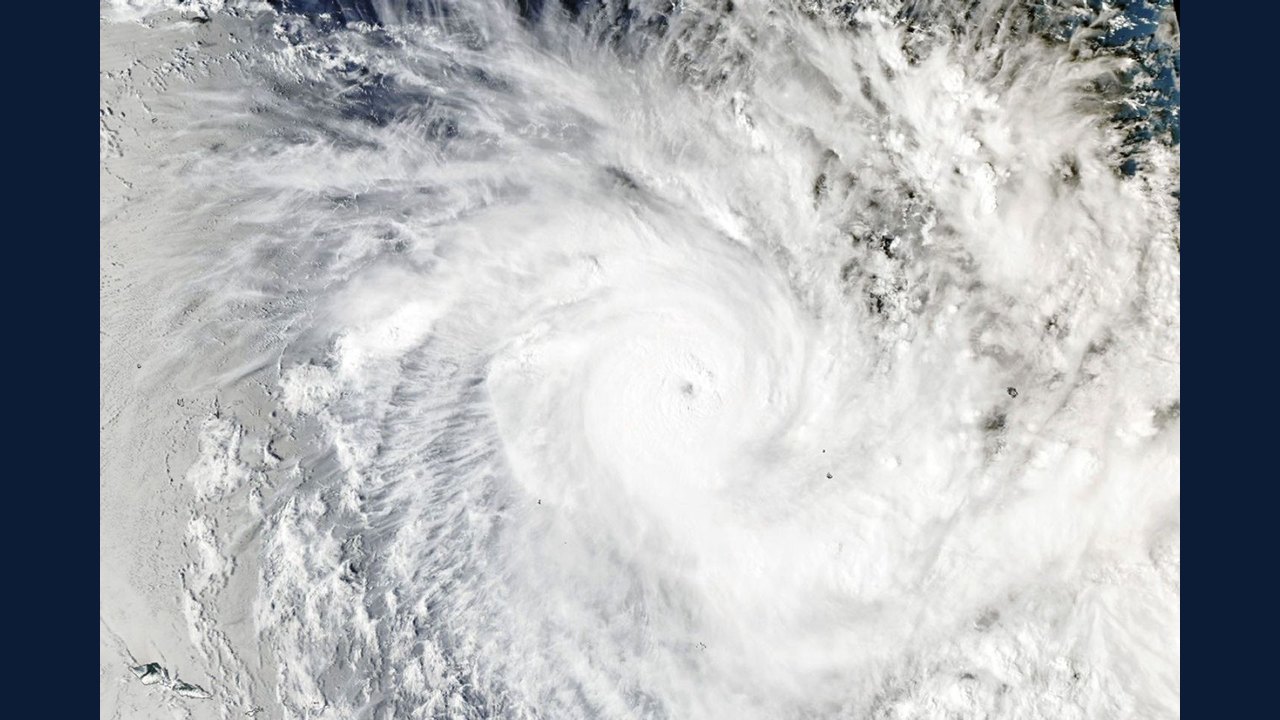
Image: NASA Science · Photo source · Resized and letterboxed to 16:9; no AI generation
Tropical Cyclone Xavier has emerged as one of the most intense November tropical cyclones in decades in the Southwest Pacific, fueled by warm sea surface temperatures and an ongoing El Niño event.
According to data from the Fiji Meteorological Service and NASA, the system began as a slow-moving tropical disturbance northeast of Samoa and the Cook Islands on November 15, 2026. Rapid intensification followed, supported by minimal wind shear and water temperatures reaching 29 degrees Celsius (84 degrees Fahrenheit). On November 17, 2026, the MODIS instrument on NASA’s Aqua satellite captured imagery of the cyclone as forecasters estimated maximum winds of 195 kilometers (120 miles) per hour. Winds ultimately peaked at 220 kilometers (140 miles) per hour later that day, reaching Category 5 intensity on the regional scale or Category 4 on the Saffir-Simpson scale.
Record-Breaking Intensity and El Niño Influence
Colorado State University hurricane expert Phil Klotzbach noted that Xavier ranks as the strongest November tropical cyclone east of the international date line on record. Researchers attribute its unusual eastern formation and rapid strengthening to El Niño conditions present since June 2026, which tend to shift storm activity northeast and promote swift intensification.
- Peak Winds: Reached 220 km/h (140 mph) on November 17, 2026.
- Classification: Regional Category 5 / Saffir-Simpson Category 4.
- Location: Formed east of the international date line near the northern Cook Islands.
Local Impacts and Outlook
News reports indicate that Xavier damaged homes and disrupted power supplies in parts of the northern Cook Islands, including Manihiki, before encountering dry air and unfavorable wind shear that caused it to weaken while moving westward away from Samoa.
The Fiji Meteorological Service projects between 11 and 15 named tropical cyclones for the 2026/2027 season, with activity typically peaking in February. Readers can verify regional meteorological announcements directly through the Fiji Meteorological Service or review satellite observations via NASA Earth Observatory.
AI-assisted reporting; source claims are attributed and have not been independently verified.
More to read
 Cyclone Storm Impact on Madhya Pradesh: Weather Department Issues Yellow and Orange Alerts for Rain
 Cyclone Murasu Expected to Bring Rain and Strong Winds to Madhya Pradesh Until November 5
 Abhishek Sharma Becomes First Batter to Record 100 T20I Powerplay Sixes
 El Niño Fuels Record Marine Heat Wave and Extreme Weather Off California Coast