WHO Guidelines on Nutrition: What Five-Year-Olds Should Eat for Growth and Development
· GlobeWire Daily Science Desk · Source: news.abplive.com
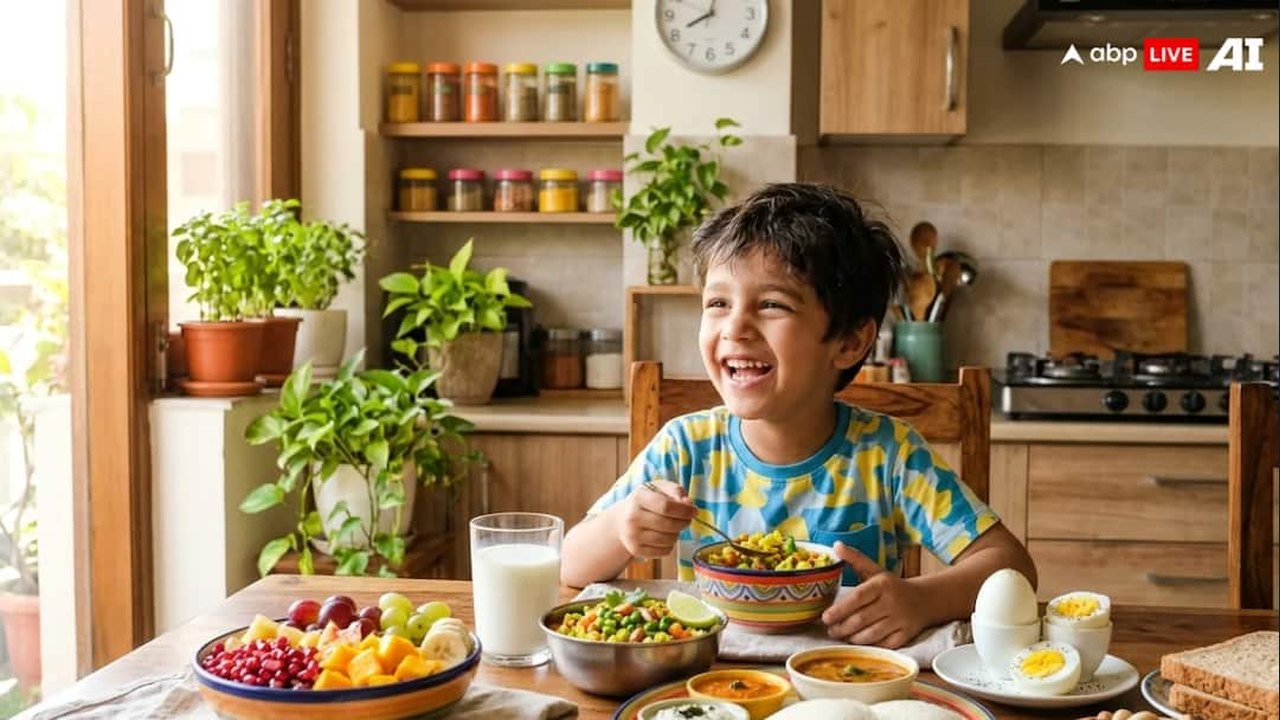
Image: ABP Live Lifestyle · Photo source · Resized and letterboxed to 16:9; no AI generation
According to World Health Organisation (WHO) dietary guidelines, a balanced diet for five-year-olds should incorporate adequacy, balance, moderation, and diversity using minimally processed and unprocessed foods. Providing nutritious meals early helps establish lifelong eating habits.
Breakfast Options and Morning Nutrition
Breakfast supplies necessary morning energy and nutrients. Suggested options based on general reports include:
- Vegetable poha, suji upma, or porridge
- Besan or moong dal chilla
- Milk, curd, boiled eggs, or vegetable omelettes
- Idli with sambar
- Seasonal fruits like bananas, apples, and papaya
WHO guidelines emphasize whole grains, fruits, vegetables, and pulses, highlighting dietary fibre sources. Caregivers are advised not to force children to finish meals, adapting portions to individual appetites.
Balanced Lunch, Dinner, and Protein Sources
Main meals support ongoing physical development. Recommendations include:
- Roti, rice, dal, vegetables, and curd
- Plant and animal proteins such as beans, chickpeas, paneer, and eggs
- Calcium-rich dairy products
- Green leafy vegetables, carrots, and spinach
WHO advises sourcing carbohydrates from whole grains, vegetables, fruits, and pulses while limiting excessive salt, sugar, and unhealthy fats.
Healthy Snacks and Hydration
Between main meals, children may require small snacks according to activity levels. Recommended options include:
- Roasted chana and makhana
- Homemade vegetable sandwiches and paneer snacks
- Plain yoghurt and boiled sweet corn
- Fresh seasonal fruits
WHO advises limiting free sugars, sodium, and unhealthy fats, choosing whole fruits over packaged juices, and encouraging plain water over sugary beverages.
Daily Intake Recommendations and Feeding Practices
WHO recommendations for children aged 2–5 years suggest consuming at least 250 grams of fruits and vegetables daily alongside a minimum of 15 grams of naturally occurring dietary fibre.
Caregivers should monitor hunger cues rather than forcing children to eat. If a child shows consistent poor intake, lack of weight gain, or fatigue, consulting a paediatrician is recommended for professional evaluation.
Verification and Medical Disclaimer
Readers can verify official nutrition standards directly through the World Health Organisation portal. This article is for informational purposes only and does not substitute for professional medical advice, diagnosis, or treatment.
AI-assisted reporting; source claims are attributed and have not been independently verified.
More to read
 Google Reports Five-Year Peak in Search Query Growth Driven by AI
 RBI Report Shows Currency in Circulation Growth Hits Five-Year High
 Three 10-Year-Olds Discover 1,900-Year-Old Roman-Era Coin on Jerusalem School Trip
 Parents of Teen Who Died of Breast Cancer Back New Scottish Medical Guidelines