Health & Science
Williams Pushes EPA for Acid‑Rain Exemption for Meta‑Powered Data‑Center Plants
· GlobeWire Daily Editorial Desk · Source: www.wired.com
Summary
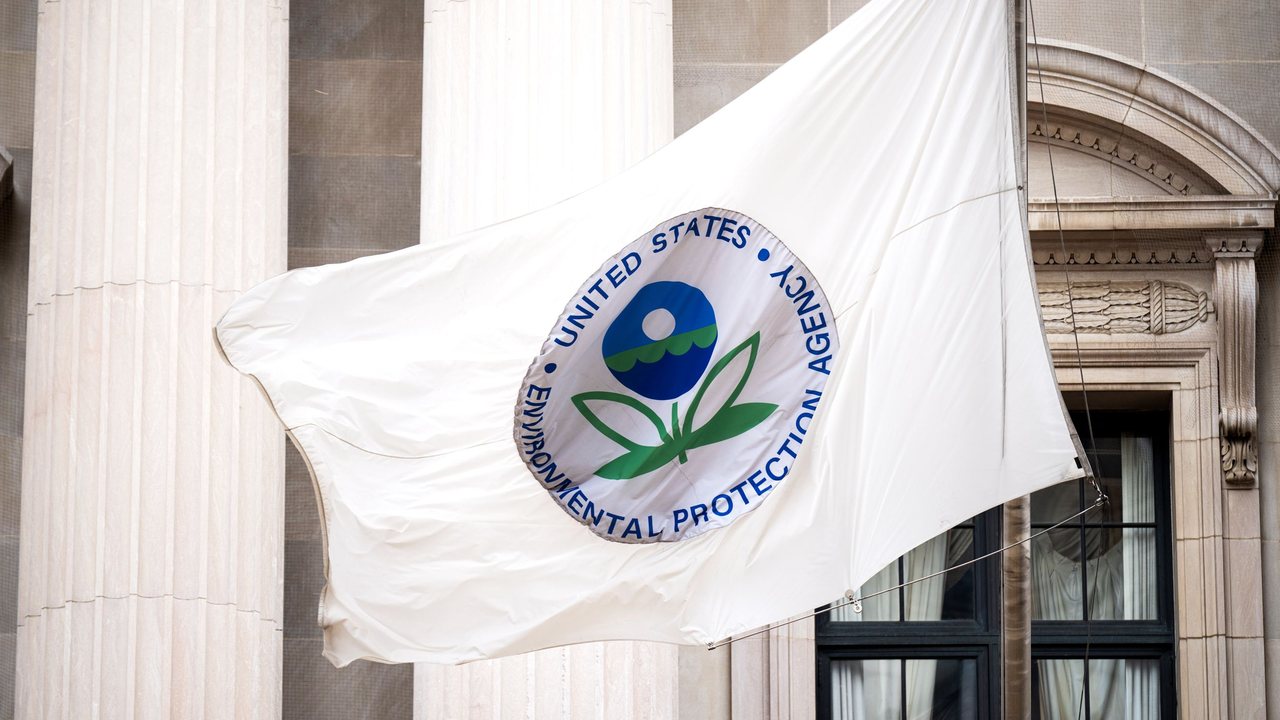
Williams, a major gas‑power provider for Meta’s data centers, met with EPA officials to seek a waiver from the Acid Rain Program for its “islanded” plants that supply power exclusively to data centers. The agency later issued guidance suggesting such facilities could be exempt, a move tied to the Trump administration’s broader easing of environmental rules for AI‑related infrastructure.
Confirmed Details
- Meetings: Internal EPA‑Williams meetings were documented in calendars and a February letter to Utah’s environmental agency. Executives, including Williams director Steve Hall, discussed “regulatory uncertainty” surrounding private data‑center power plants.
- EPA Guidance: In July, the EPA announced it would recommend that “islanded” plants be excluded from the Acid Rain Program because the program was originally designed for generators that sell electricity to the grid.
- Projects: As of November, Williams had at least six data‑center power projects, four in Ohio and one in Utah, serving Meta. Each plant is roughly 500 MW and would emit about 100 tons of NO‑x and 11 tons of SO₂ annually – far less than a comparable coal plant.
- Company Position: Williams spokesperson Alex Schott said the firm is committed to “energy solutions that enhance America’s AI competitiveness while prioritizing environmental protection.” Meta declined comment.
Reported Claims
- Regulatory Intent: Former EPA air‑office official Joseph Goffman said the administration is trying to “relax, if not suspend… a range of regulatory requirements” for data‑center power.
- Industry Impact: Williams argues that an exemption would “accelerate deployment of critical infrastructure” and support national AI goals.
- Legal Interpretation: Environmental law scholars (e.g., Carrie Jenks, Harvard) note the Acid Rain Program’s language limits it to plants that sell power to the grid, supporting the EPA’s exemption rationale. Environmental groups such as Earthjustice contest this view.
Uncertainties
- The exemption is guidance, not a final rule; future administrations could reverse it.
- It is unclear whether the exemption will also cover mandatory greenhouse‑gas reporting, which could limit regulators’ data on emissions from these private plants.
Practical Implications
- For Developers: An exemption could shorten permitting timelines, allowing faster construction of private gas plants for AI data centers.
- For Regulators: Reduced reporting may hinder tracking of NO‑x, SO₂, and CO₂, potentially affecting air‑quality monitoring.
- Verification: Stakeholders can review EPA’s July guidance documents and the February letter from Williams to Utah’s environmental agency, both obtained by *WIRED*.
--- *All information is drawn from the *WIRED* article dated [source URL] and publicly available EPA documents.*
Share this article
Read the original source A Power Provider for Meta Urged Regulators to Exempt Data Center Plants From Acid Rain Rules