79 Years On, Sindhi Ghiyar Continues to Add Sweetness to Holi Traditions
· GlobeWire Daily Editorial Desk · Source: www.livehindustan.com
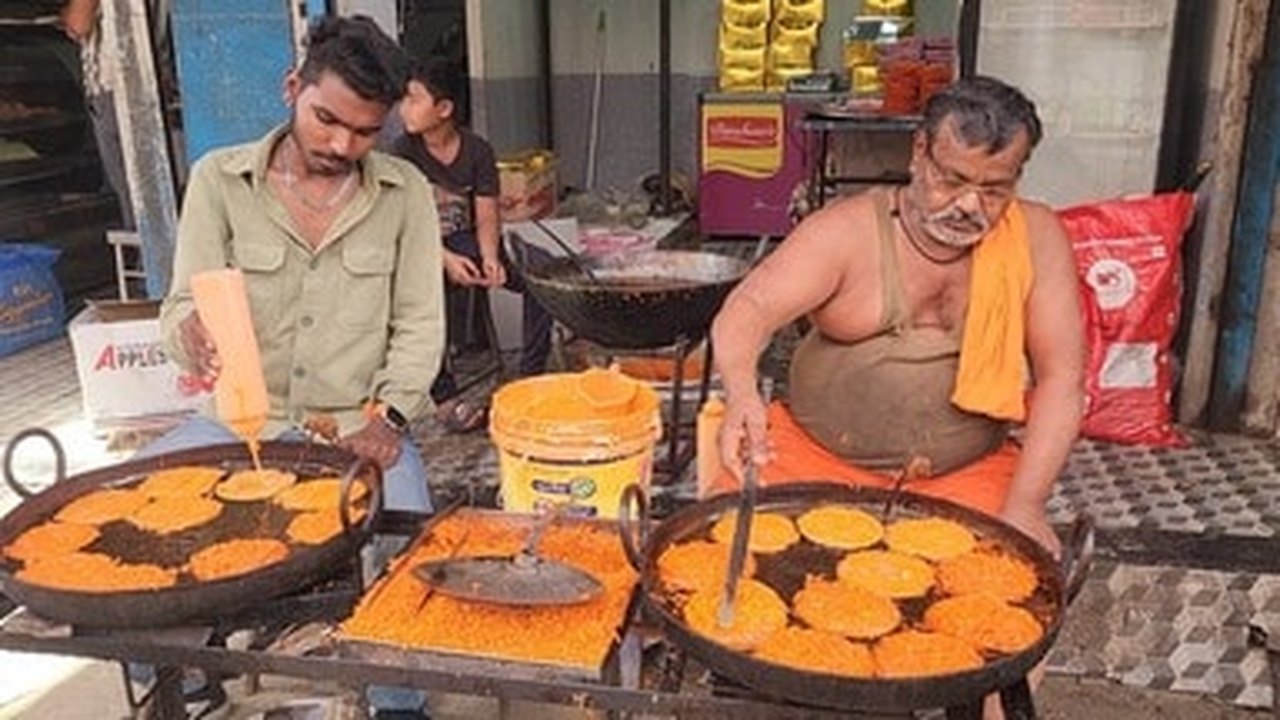
Image: www.livehindustan.com · Photo source · Resized and letterboxed to 16:9; no AI generation
Following the 1947 partition of India, members of the Sindhi community brought more than just memories when they migrated from Pakistan; they also brought a cherished culinary tradition known as 'Sindhi Ghiyar'. Reported seventy-nine years later, this unique sweet remains an integral part of Holi celebrations, prepared and shared across households.
As reported by Live Hindustan, the tradition has endured through generations. In cities such as Khandwa, Madhya Pradesh, specifically within the Sindhi Colony and Sindhi Bazaar areas, crowds begin gathering at shops a week before Holi. People purchase the sweet in large quantities to send to sisters, daughters, and other relatives. While traditionally exclusive to the Holi festival, the sweet has increasingly gained popularity among other communities.
Production and Popularity in Khandwa
Traders in Khandwa's Sindhi Bazaar note that the sweet arrived alongside the community during migration and remains culturally significant. Local demand is reflected in daily consumption figures, with reports indicating that approximately 15 quintals of Ghiyar are consumed daily in Khandwa during the festival season. Artisans work day and night across various sweet shops to meet this demand.
- Key Preparation Steps: Artisans prepare a batter using refined flour (maida), milk, and saffron, which is left to ferment for two days.
- Cooking Method: The fermented batter is shaped similarly to jalebi and fried in pure ghee, oil, or Dalda, depending on the variety.
- Shelf Life and Pricing: The sweet reportedly stays fresh for up to 15 days, making it suitable for gifting to distant relatives. Prices range between 400 and 800 rupees per kilogram, varying based on whether ghee, oil, or vegetable fat is used.
Practical Implications and Verification
Readers interested in verifying traditional food customs or local festival reports can consult regional cultural features, community elders, or announcements published by regional news outlets such as Live Hindustan. Consumers purchasing festival sweets are advised to confirm pricing and ingredient details directly with local vendors.
AI-assisted reporting; source claims are attributed and have not been independently verified.
More to read
 Years After Fatal Heatstroke on North Carolina Farm, Contractor Continues Hiring Hundreds of Migrant Workers
 Kushinagar Court Sentences Two to 10 Years in 26-Year-Old Murderous Assault Case
 Gorakhpur Trauma Center Awaits Operations Two Years After Completion
 Passenger Rush Continues in Gorakhpur Post-Chhath Festival