A Decade of Deepotsav: Light of Faith Boosts Potters' Livelihoods and Traditional Craft
· GlobeWire Daily Editorial Desk · Source: www.livehindustan.com

Image: www.livehindustan.com · Photo source · Resized and letterboxed to 16:9; no AI generation
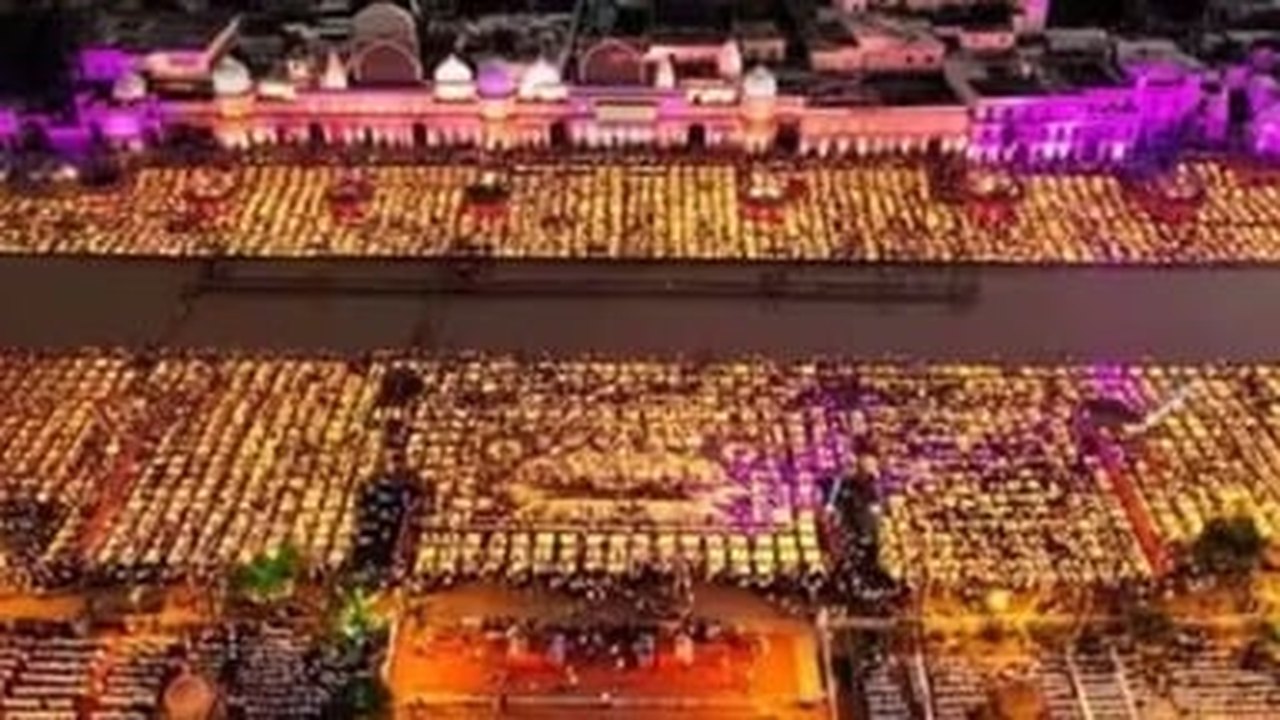
According to a report published by Live Hindustan, the upcoming tenth Deepotsav in Ayodhya, proposed for November 7, 2026, aims to light around 30 lakh earthenware lamps, with some reports mentioning orders for up to 33 lakh diyas. These figures represent procurement and preparations rather than the final lighting count.
Growth and Scale of the Event
Started in 2017 to commemorate Lord Rama's return to Ayodhya after 14 years of exile, the Deepotsav celebration has expanded progressively:
- 2017: Around 1.71 lakh diyas lit
- 2018: 3.01 lakh diyas
- 2019: 4.04 lakh diyas
- 2020: 6.06 lakh diyas
- 2021: 9.41 lakh diyas
- 2022: 15.76 lakh diyas
- 2023: 22.23 lakh diyas
- 2024: 25,12,585 diyas
- 2025: 26,17,215 diyas lit across 56 ghats, setting a Guinness World Record with the participation of over 30,000 volunteers.
Impact on Potters and Local Economy
The event has significantly impacted potters and local artisans across Uttar Pradesh. Reports indicate that the demand has spread to production centers in neighboring districts such as Gonda, Basti, and Gorakhpur. For the 2026 event, about a dozen families in Gonda district planned to prepare eight lakh diyas, expecting an average income of eight to ten lakh rupees. Meanwhile, potters in villages near Ayodhya received orders ranging from one to two lakh diyas.
Reports from October 2025 highlighted that while some potter families previously earned around 20 to 25 thousand rupees monthly, they earned lakhs during the festive season. Family members who had migrated to cities for employment have reportedly returned to assist in the craft. The entire family participates in preparing the clay, shaping it on the wheel, drying, and supplying the lamps, aided by electric wheels alongside traditional skills.
Wider Economic Integration
Beyond pottery, the event engages a broader local economy involving cotton wicks and oil supply. For the 2025 event, requirements were noted at approximately 55 lakh cotton wicks and 73,000 liters of oil, connecting farmers, raw material suppliers, laborers, transporters, and small business owners to the celebration.
Readers' Note: This article was produced by HT Brand Studio on behalf of a brand, and Hindustan has no editorial or journalistic participation in its creation.
AI-assisted reporting; source claims are attributed and have not been independently verified.
More to read
 Jaipur Artisans Craft 4,500 Wooden and Traditional Jewelry Pieces for Ramayana Film
 Ayodhya Aims for Record 3 Million Earthen Lamps and Drone Shows for Tenth Deepotsav
 Ayodhya Deepotsav to Feature Ramlila in Five Languages and International Performances
 Dr. Avnish Rahi's Four-Decade Literary Journey from Poetry to Audio-Visual Epics