India News
Bhutan GLOF Forms New Downstream Lake, Raises Secondary Flood Concerns
· GlobeWire Daily Editorial Desk · Source: timesofindia.indiatimes.com
Key takeawaysA glacial lake outburst flood (GLOF) that began in Bhutan on Oct 29 created a temporary lake at Taktsemakhang in the Sintaphu‑Lungu river confluence. Authorities in India and Bhutan are monitoring the new water body for possible secondary flooding.
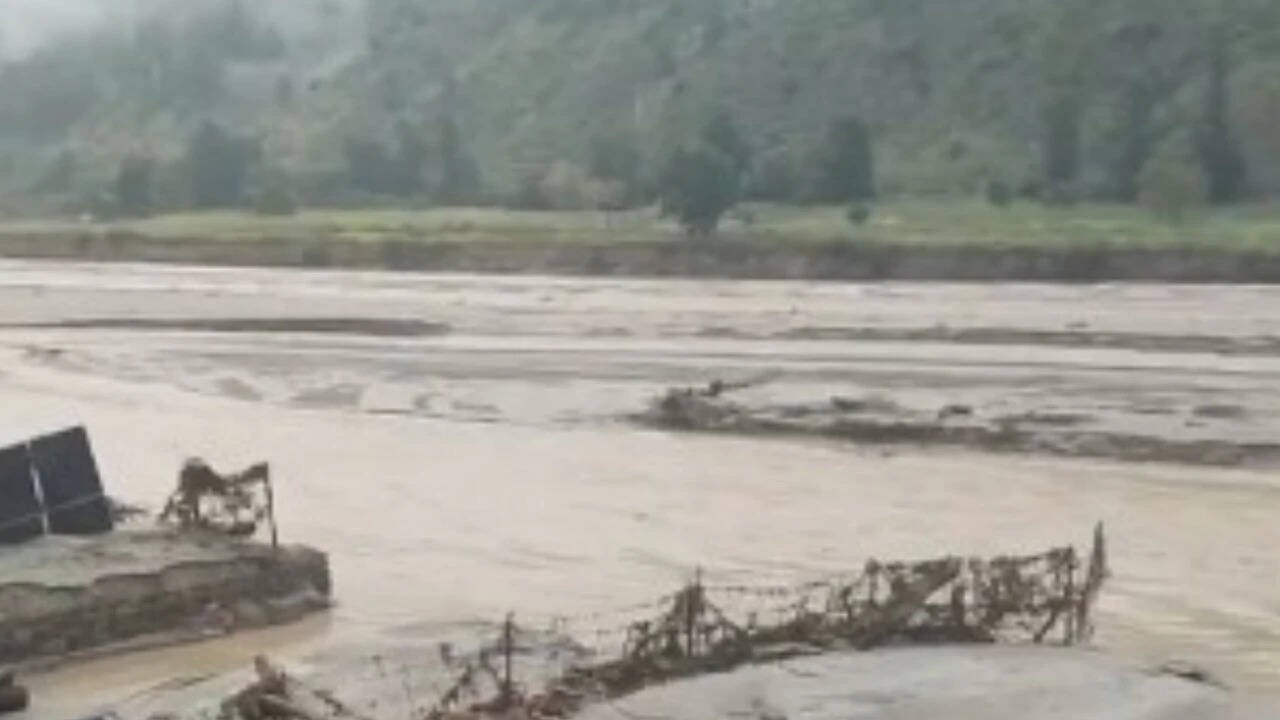
Image: The Times of India · Photo source · Resized and letterboxed to 16:9; no AI generation
Summary
A glacial lake outburst flood (GLOF) that began in Bhutan on Oct 29 created a temporary lake at Taktsemakhang in the Sintaphu‑Lungu river confluence. Authorities in India and Bhutan are monitoring the new water body for possible secondary flooding.
Details
- Origin: The GLOF originated from the Shintaphu glacial lake in Bhutan, which ICIMOD estimates held 6‑7 million m³ of water (about 2,400‑2,800 Olympic‑size pools). The exact volume released is still being assessed.
- New lake: Bhutan’s National Centre for Hydrology and Meteorology (NCHM) confirmed the formation of an artificial lake at Taktsemakhang, where the Sintaphu Chhu meets the Lungu Chhu (Gangchen Tag Chhu). Monitoring stations recorded a rapid rise in water level, peaking at 6.7 m at Yebesa on 28 Oct, then falling to 2.84 m within 90 minutes.
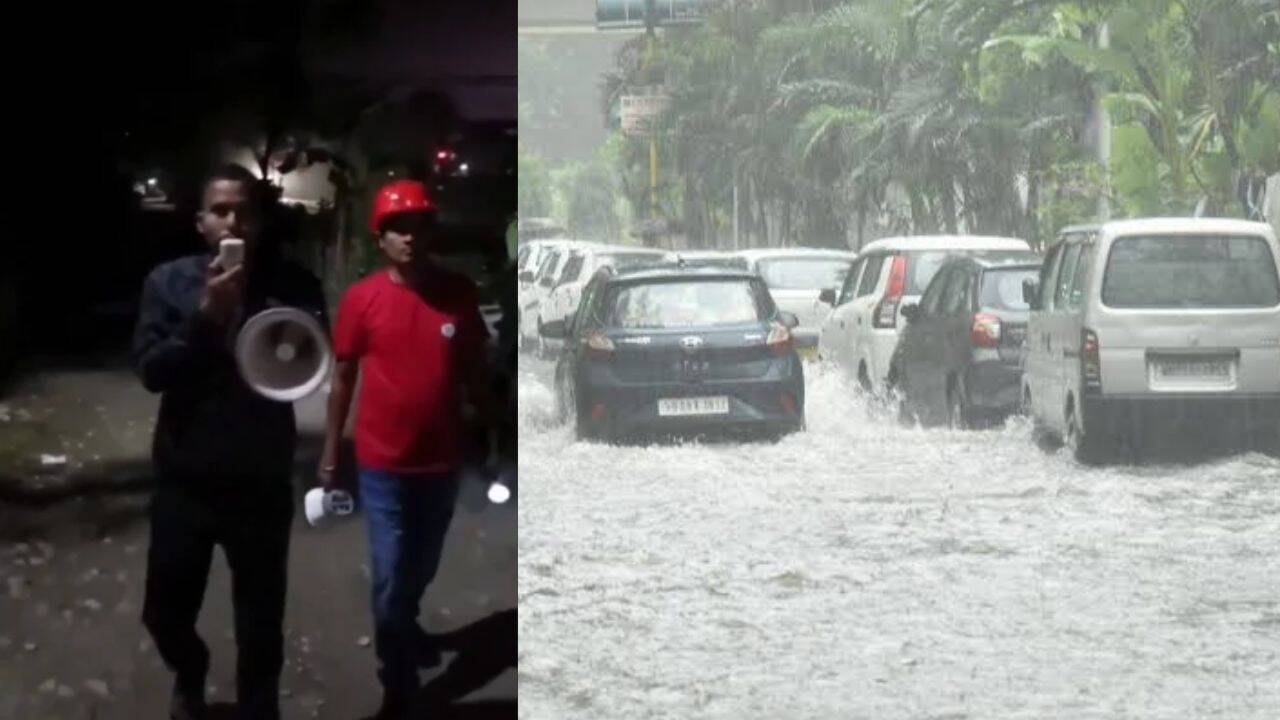
- Indian response: The Central Water Commission (CWC) issued a special flood advisory for West Bengal and Assam. In West Bengal, the Sankosh River rose 1.5 m but receded quickly; no damage was reported. Flood shelters were opened in Alipurduar district, housing around 10,000 people from the Sankosh banks and a few thousand from Assam.
- Official statements:
- Assam Chief Minister Himanta Biswa Sarma said teams are on standby and residents should stay alert.
- NCHM warned people in the Mochhu and Punatsangchhu valleys to avoid riverbanks and low‑lying areas.
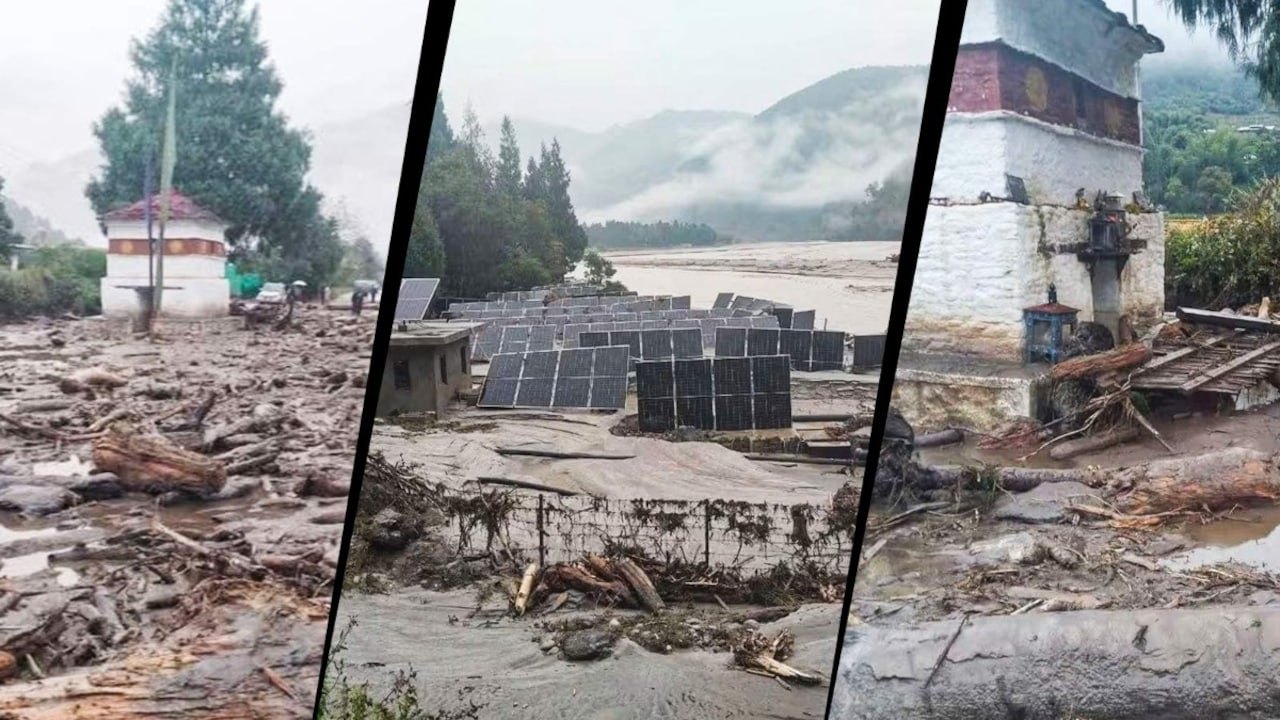
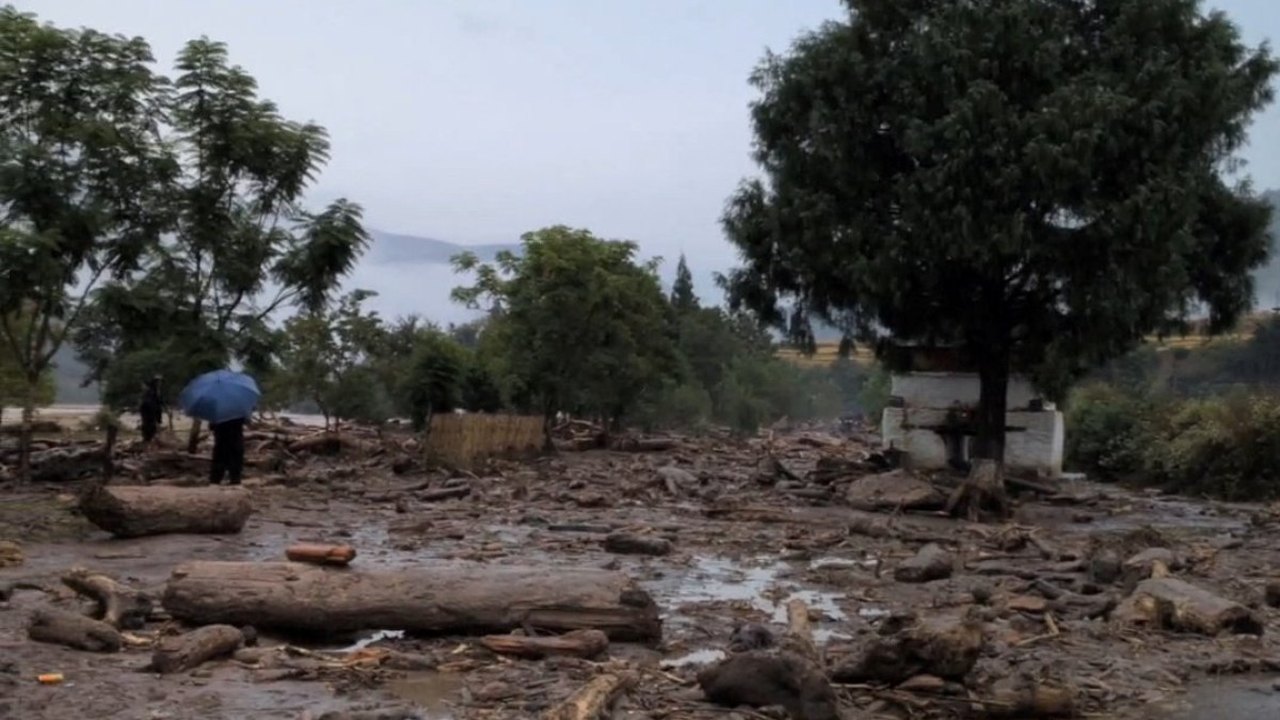
- Impact in Bhutan: According to the national daily *Kuensel*, floodwaters damaged roads, bridges and the Punakha‑Gasa secondary highway, but no casualties were reported.
- Expert view: Glacial‑hazard specialist Ashim Sattar (IIT Bhubaneswar) explained that temporary downstream lakes are a known risk after GLOFs. They can drain naturally but may become secondary flood hazards if not continuously monitored.
Practical implications
- Residents in the affected valleys should follow updates from NCHM and local disaster management agencies.
- The early‑warning sirens activated on 28 Oct likely prevented loss of life; continued vigilance is essential until the lake either drains or is safely managed.
- Verification of the situation can be done through NCHM bulletins, CWC advisories, and on‑ground reports from district administrations in Alipurduar (West Bengal) and Kokrajhar/Dhubri (Assam).
Context
- The Himalayas host 47 major potentially dangerous glacial lakes (PDGLs) across trans‑boundary basins, and 388 GLOFs have been recorded in the region.
- Past events, such as the 2015 GLOF in the Mo Chuu river headwaters, prompted joint risk‑assessment initiatives between Bhutan and the SERVIR‑Himalaya program.
--- *All information is drawn from the Times of India report dated 30 Oct 2024 and statements from NCHM, CWC, Assam government and expert commentary.*
Share this article
Read the original source: Bhutan GLOF creates new lake downstream, raises fears of secondary hazards - The Times of India
AI-assisted reporting; source claims are attributed and have not been independently verified.
More to read
 Glacial Lake Outburst in Bhutan Triggers Flood Alerts in West Bengal and Assam
 Bhutan’s Shintaphu Lake Outburst Triggers Flash‑Flood Alert for Sankosh River Communities in Alipurduar, West Bengal
 Glacial Lake Outburst Triggers Flash Flood at Bhutan's Gasa Tshachu Hot Springs
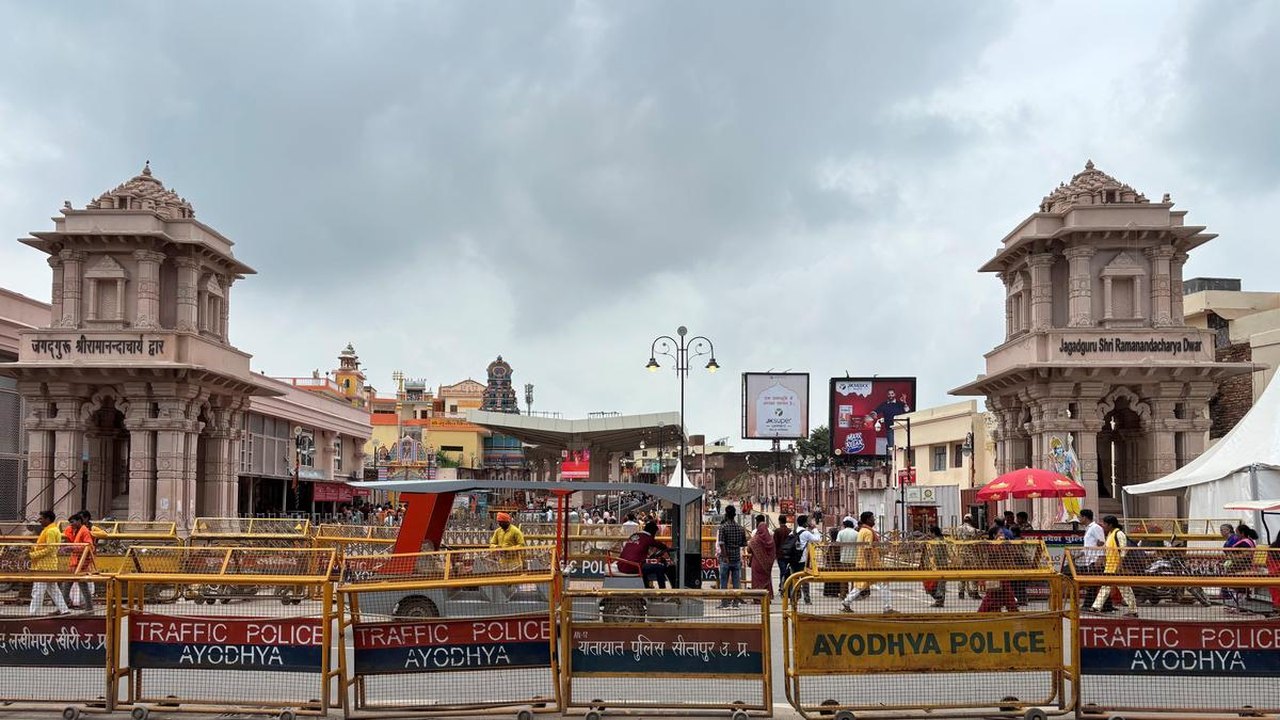 Congress Raises Concerns Over Delays in Ram Temple Donation Theft Case
Trending on GlobeWire Daily
Selected from recent coverage and related topics; not live search rankings.
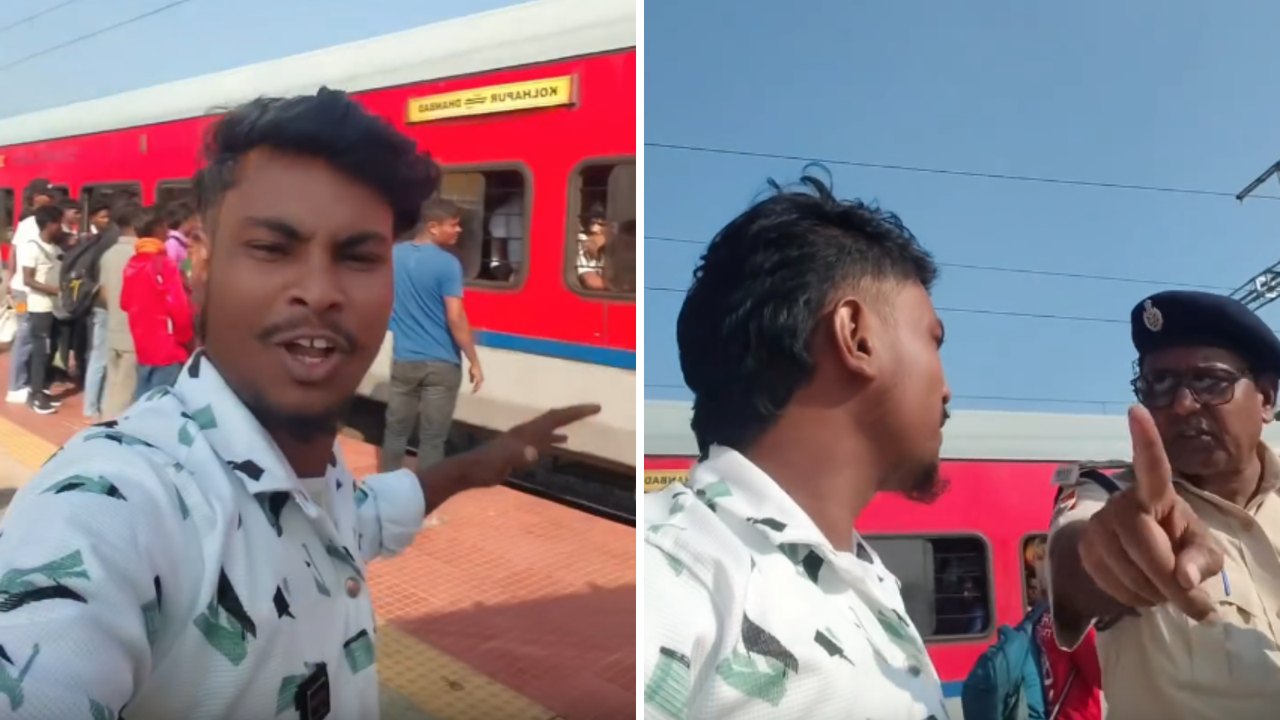 Bihar Police Intervene as Vlogger Films Video at Railway Station, Sparking Online Discussion
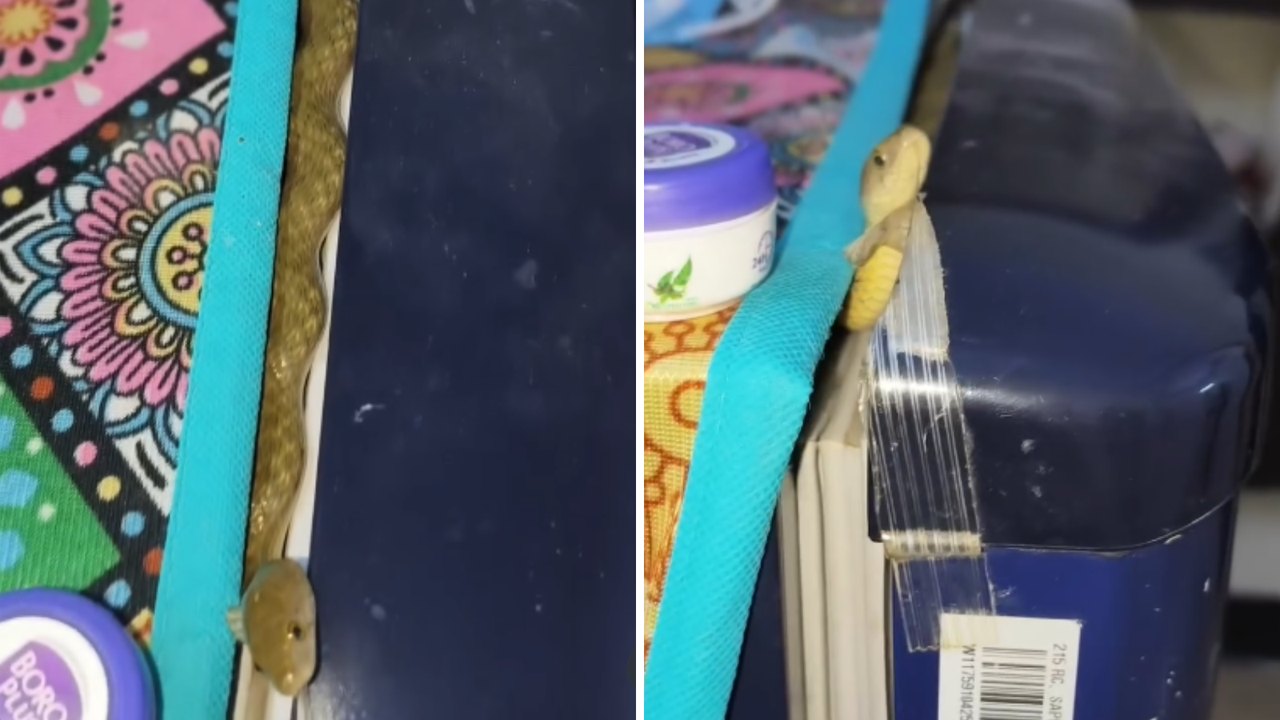 Unusual Snake Discovery Inside a Refrigerator Door Recorded in Viral Instagram Video
 Viral Post Highlights Train Seat Struggles for Soldier Traveling with Family, Sparking Online Debate
 Viral Video of Couple Marking New Car with Footprints Sparks Online Debate
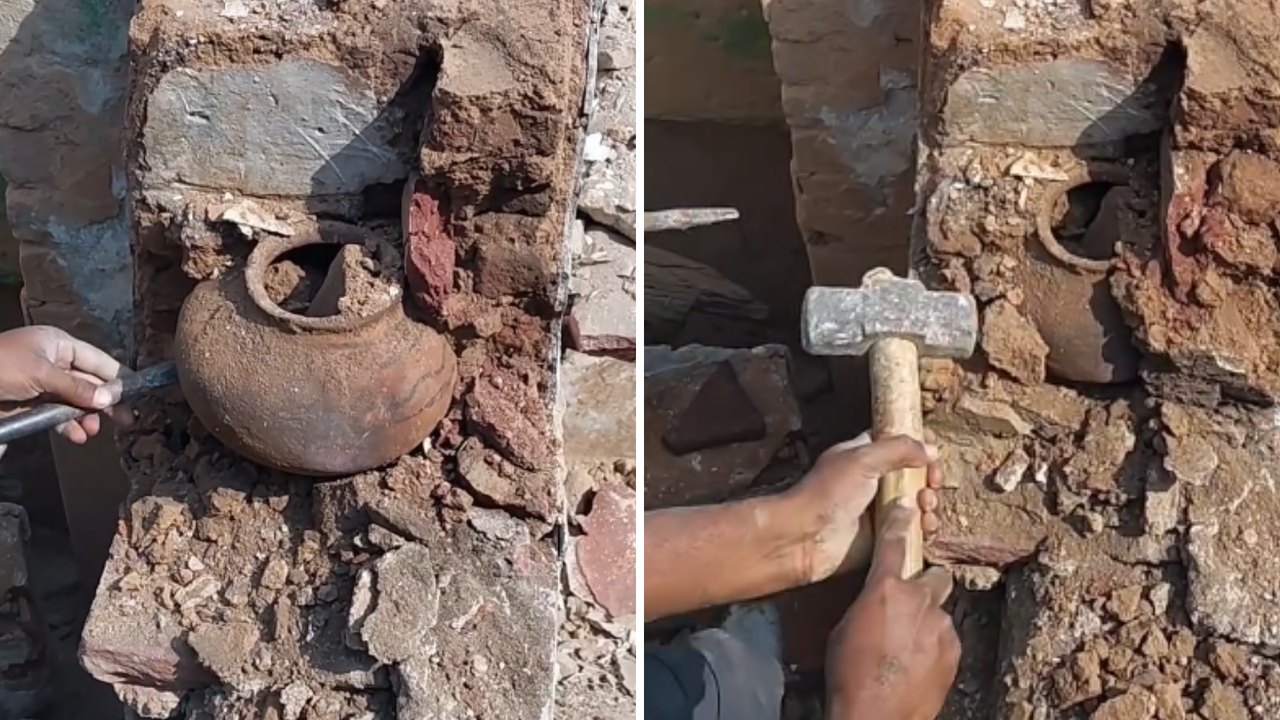 Wall Demolition Uncovers Hidden Pot, Sparking Viral Treasure Hopes Before the Twist
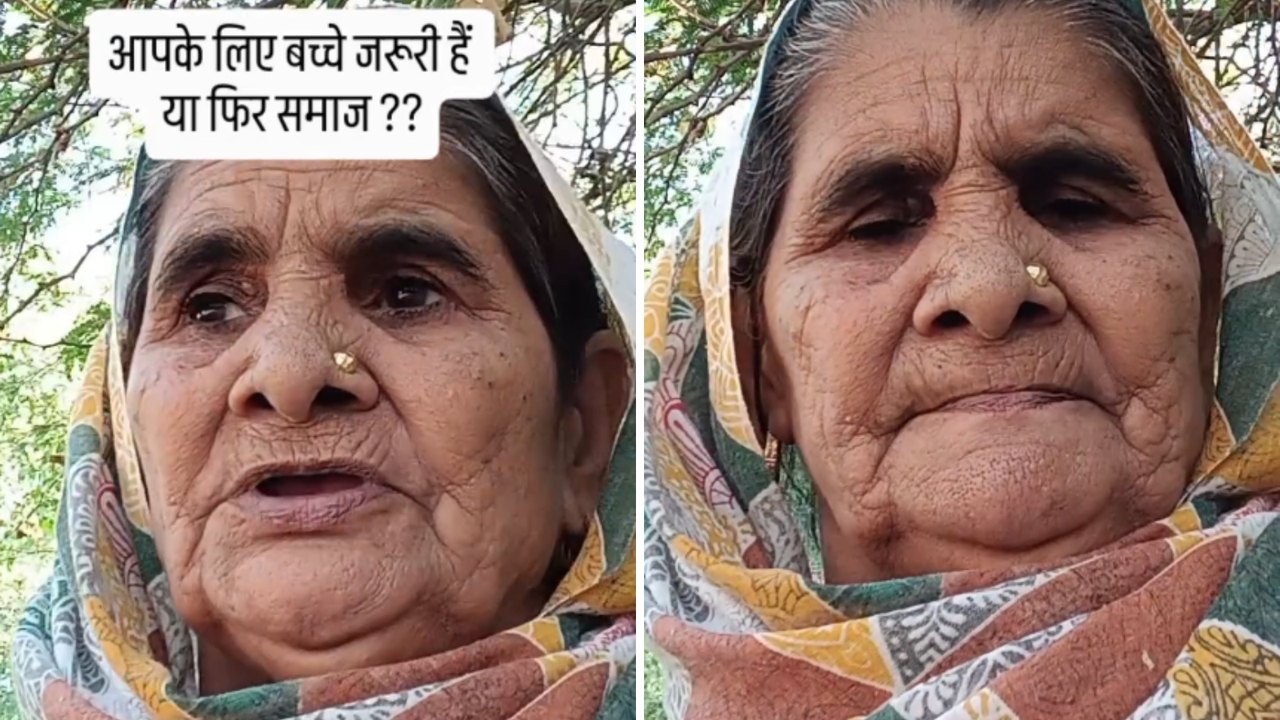 Viral Video Shows Grandmother Advising Parents Against Prioritizing Society Over Children's Dreams