Muslim Women in Lucknow Turn to *Khula* Over Divorce, Numbers Surge
· GlobeWire Daily Editorial Desk · Source: www.amarujala.com
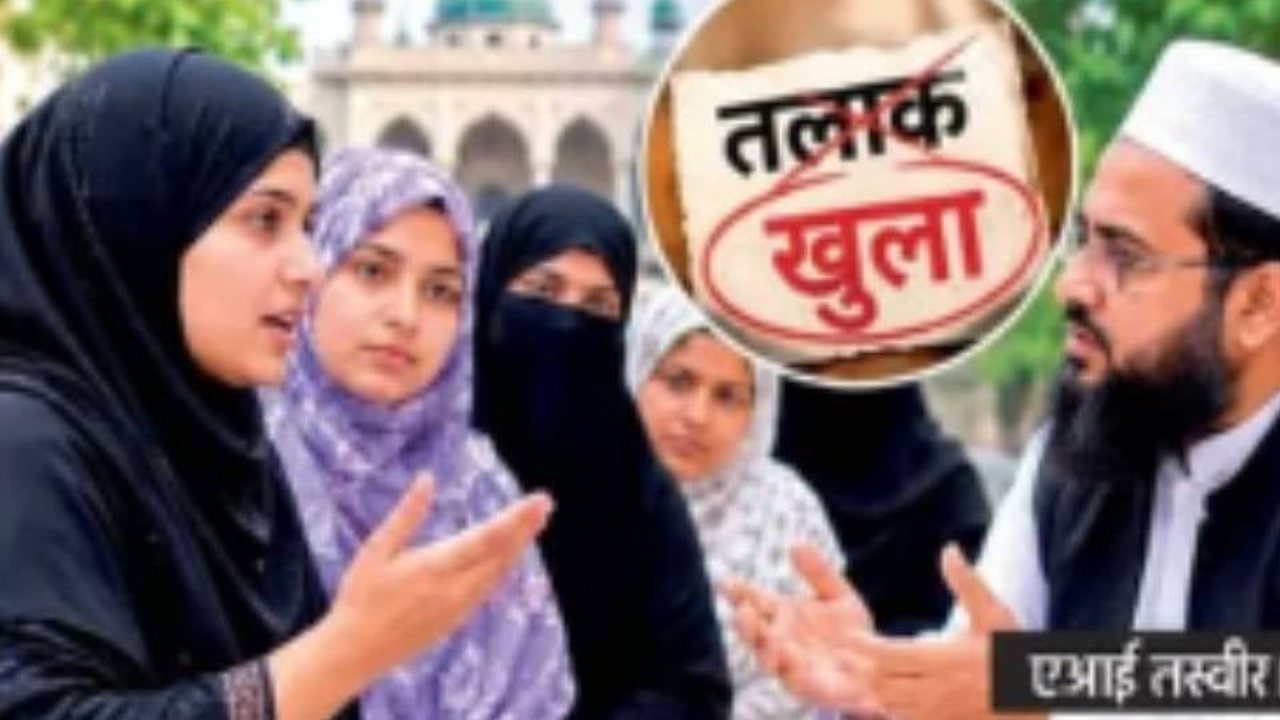
Summary
Recent reports from Lucknow indicate a sharp rise in the use of *khula* – a form of marital dissolution initiated by the wife under Islamic law – among Muslim women. Over 300 women are said to have exercised this right in the past year, according to local religious bodies.
Details
- What is *khula*?
- A legal mechanism that allows a Muslim woman to end her marriage by returning the *mahr* (dower) or offering compensation to her husband.
- The process requires a clear declaration of intent, an offer to return or waive the *mahr*, and an attempt at reconciliation before the case proceeds to court.
- Court rulings have clarified that a husband's consent is not mandatory, though disputes may be settled in family court.
- Reported figures
- More than 300 women have reportedly obtained *khula* in the last twelve months.
- The cases were facilitated through Nadwa, the Islamic Centre of India, and Shia community scholars.
- Comparison with divorce
- Local sources claim that *khula* applications now outnumber traditional divorce filings in the Darul Qaza courts of Lucknow.
- No official statistics from the courts have been released to confirm the exact ratio.
- Practical implications
- Women seeking *khula* must submit a written statement to the family court, propose the return of *mahr* (if applicable), and demonstrate that reconciliation efforts have been made.
- If the husband contests, the matter proceeds to a judicial hearing where the court verifies the marriage’s status.
- How to verify
- Interested parties can check the Lucknow Family Court’s public records or contact the Islamic Centre of India for official case numbers.
- Media outlets such as *Amar Ujala* have cited community leaders but have not provided court documents.
Conclusion
The growing preference for *khula* reflects changing attitudes among Muslim women in Lucknow toward marital autonomy. While the reported figure of over 300 cases suggests a notable trend, verification through court records is needed for a complete picture.
--- *This article is based on reporting from Amar Ujala and statements from local religious institutions. No independent verification of the exact case count was available at the time of writing.*