Chef Shares the Perfect Dahi-Besan Ratio for Making Kadhi of the Right Consistency
· GlobeWire Daily Lifestyle Desk · Source: www.livehindustan.com
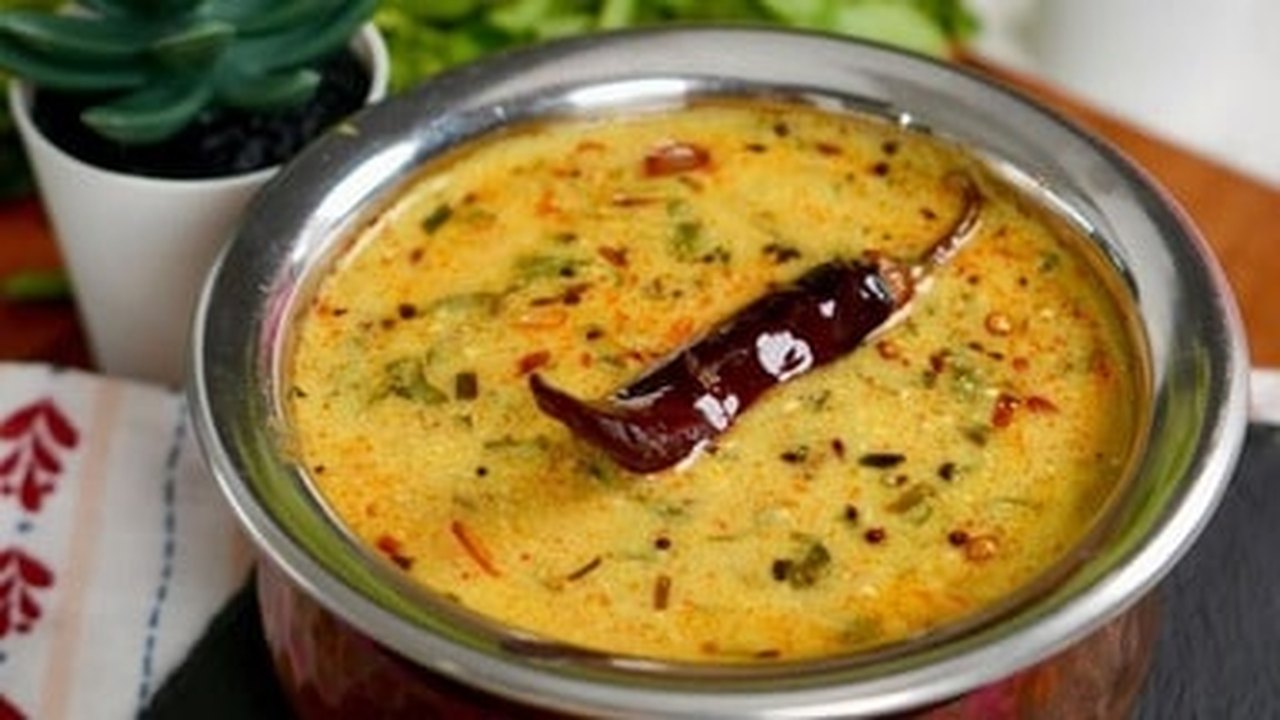
Image: www.livehindustan.com · Photo source · Resized and letterboxed to 16:9; no AI generation
According to reports, achieving the right consistency for traditional Indian kadhi depends heavily on the proper ratio of curd (dahi) and gram flour (besan). While recipes vary across different regions of India—such as pakora kadhi in Punjab, slightly sweet and sour kadhi in Gujarat, spicy gatte ki kadhi in Rajasthan, lighter buttermilk preparations in Maharashtra, and vegetable-rich Sindhi kadhi—home cooks frequently report issues with the dish turning out either too thick or too thin.
Chef Kuldeep Rana recently shared guidance on Instagram regarding the ideal proportion to achieve a balanced texture without needing to overcorrect with excess water or heavy flour flavors.
The Recommended Dahi-Besan Ratio
- Standard Proportion: Chef Rana states that for every one liter of curd, you should use 250 grams of besan.
- Consistency Adjustments: If the mixture needs to be thinned out after mixing, water can be added gradually.
Key Tips for Making Kadhi
- Use Slightly Sour Curd: Traditional flavor relies on curd that has a mild tang rather than being overly fresh. Lemon juice can be used as an alternative if sour curd is unavailable.
- Maintain the Proportion: Keeping the right balance prevents the dish from becoming overly dense or watery.
- Whisk Thoroughly: Ensure there are no lumps when mixing curd and besan to achieve a smooth texture.
- Cook on Low Heat: Simmering the kadhi on a low flame for sufficient time helps remove any raw taste and enhances the flavor.
- Prepare a Flavorful Tadka: Tempering with fenugreek seeds (methi dana), cumin, asafoetida (hing), and red chili powder in oil or ghee adds aroma and depth. Curry leaves and whole dried red chillies are also commonly used in the tempering.
- Rest Before Serving: Letting the cooked kadhi sit covered for a few minutes allows the spices to blend properly.
Practical implications include following these measurements to minimize cooking errors. You can verify the original announcement by checking Chef Kuldeep Rana's verified Instagram handle or food preparation videos.
AI-assisted reporting; source claims are attributed and have not been independently verified.
More to read
 Benjamina Ebuehi Shares Maple Custard Tart Recipe for Cosy Baking
 Finding the Right Mattress: Insights From Rigorous Testing
 Why Run? Newsreader Andrew Lofthouse Shares His Marathon Journey and Motivation
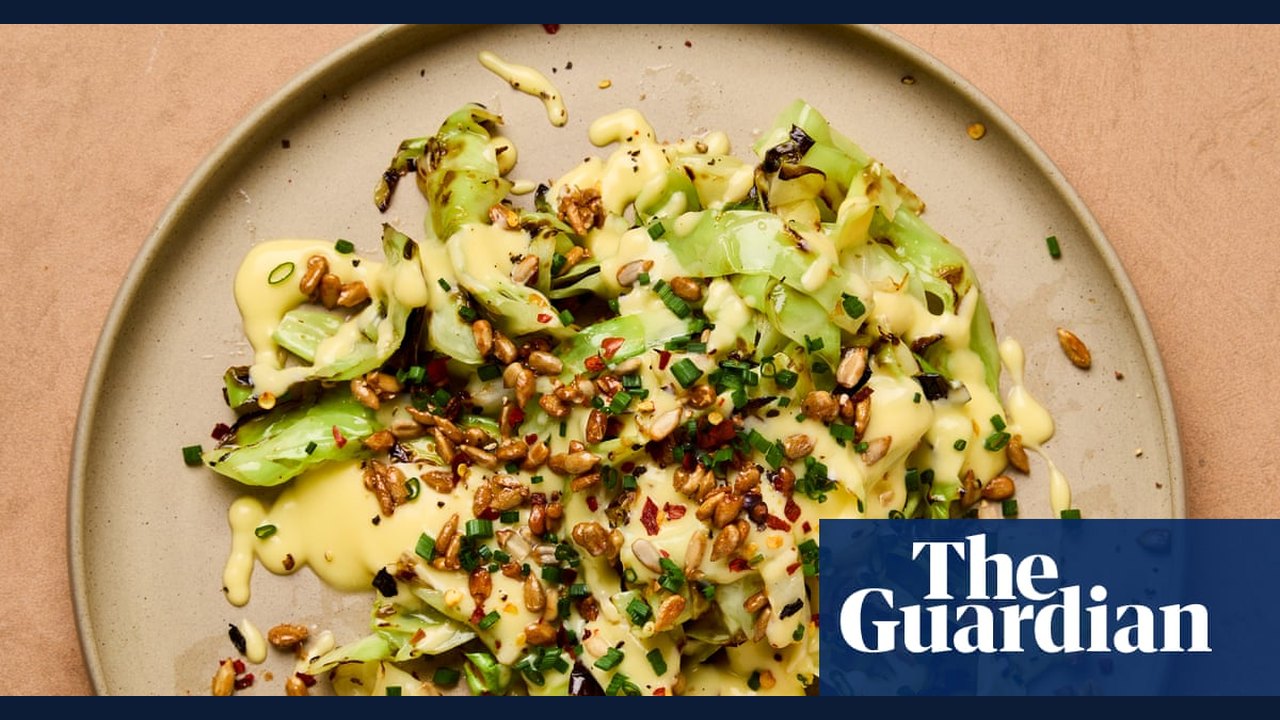 Jackson Boxer Shares Vegetarian Recipe for Sautéed Cabbage with Cheese Cream