Readers Share Terrifying Encounters With Sleep Paralysis in Response to Published Article
· GlobeWire Daily Lifestyle Desk · Source: www.theguardian.com
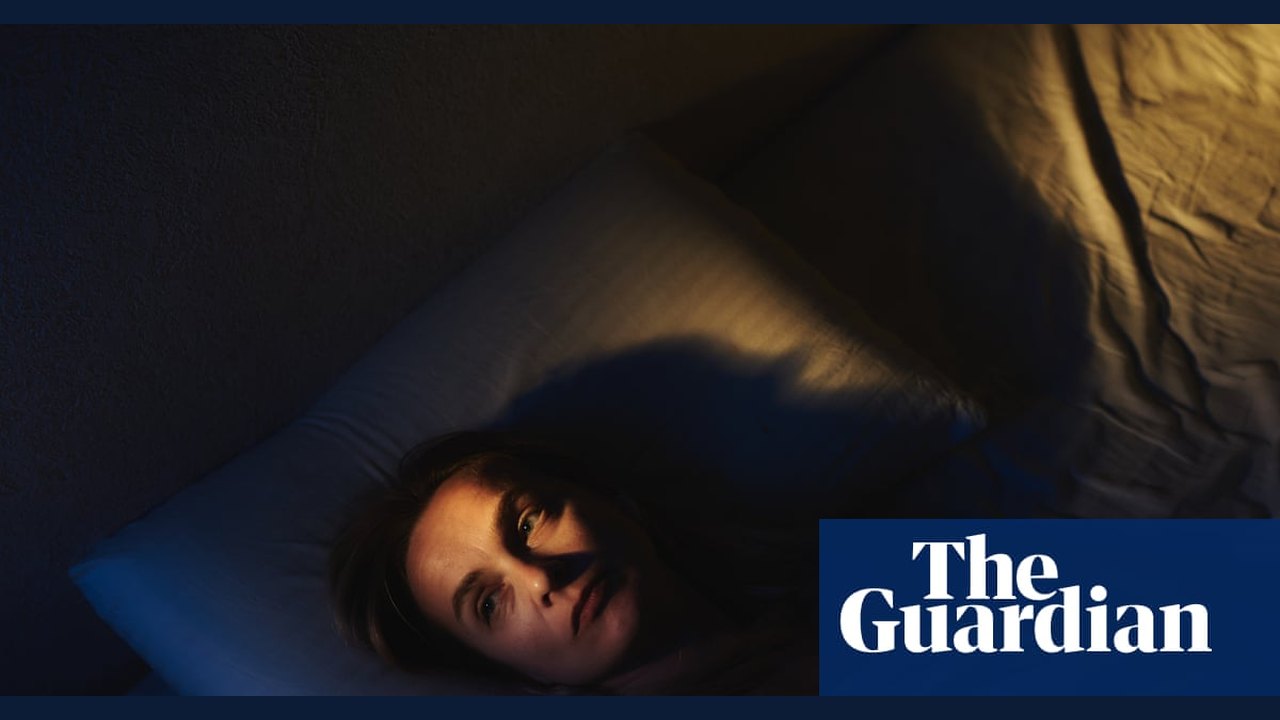
Image: the Guardian · Photo source · Resized and letterboxed to 16:9; no AI generation
Following a published article by Amy Fleming titled "Touch of evil: the terrifying truth about sleep paralysis," readers have shared their own unsettling accounts of experiencing sleep paralysis, hypnagogic hallucinations, and related nocturnal phenomena. The published letters highlight a range of symptoms, historical context, and the psychological impact of a condition where individuals find themselves briefly unable to move or speak while waking up or falling asleep.
Readers recount a variety of intense symptoms, including:
- Inability to move or breathe: Experiences where individuals feel conscious and filled with dread, yet unable to move, open their eyes, or breathe properly.
- Hallucinations: Visual distortions such as oversized rooms and beds, auditory disturbances like screaming and loud thumping, and dream-like states.
- Isolation and relief: Many contributors noted keeping their experiences secret for years before learning the scientific name for the condition.
Historical Context and Scientific Study
Contributors also pointed to the broader cultural and scientific understanding of sleep paralysis. One reader from London, Barbara Geier, expressed comfort in knowing that neuroscientists are studying the phenomenon, validating that the experiences are real rather than imagined. Another reader, Thomas Recher from Switzerland, recalled an old Alpine custom where farmers would fasten a tool called a Werchhechel to their chests to ward off a night spirit known as the Toggeli, historically blamed for choking breath and causing severe nightmares.
Practical Implications and Verification
For individuals experiencing unusual sleep disturbances, medical professionals generally recommend consulting a qualified healthcare provider or sleep specialist to discuss symptoms and rule out underlying health issues. Readers interested in verifying the original discussion can consult the letters and related coverage published by The Guardian in November 2026. Reviewing academic literature or resources from established medical institutions can also provide verified information on parasomnias.
AI-assisted reporting; source claims are attributed and have not been independently verified.
More to read
 Readers Share Favourite European Winter City Breaks
 Readers Share Favourite Germany Travel Tips Featuring Rail Pass Journeys and Hidden Gems
 Readers Share Favourite European Wellbeing Breaks and Spa Destinations
 Readers share favourite wild escapes and mountain views across Scotland