The Backyard Ecosystem Lesson: How Feeding a Native Wattlebird Backfired
· GlobeWire Daily Lifestyle Desk · Source: www.theguardian.com
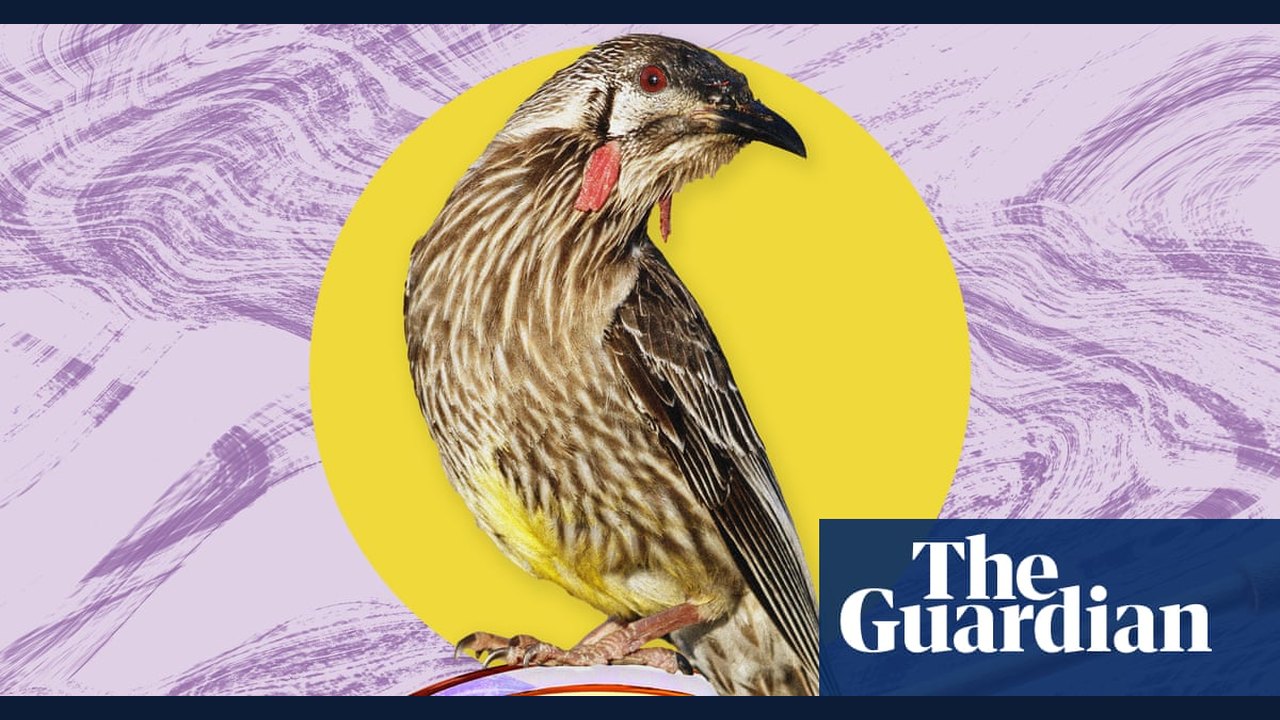
Image: the Guardian · Photo source · Resized and letterboxed to 16:9; no AI generation
A Melbourne resident reported that an attempt to help native nectar-feeding birds through winter by offering honey led to unexpected territorial aggression from a wattlebird named Wally. According to the account, the initial intervention successfully attracted native birds and deterred common mynas, but the concentrated food source ultimately caused Wally to dominate the feeding area and attack other native species.
The Rise of an Accidental Alpha
- Initial Strategy: Honey was placed out in a bay-side Melbourne suburb last autumn because local grevilleas failed to flower, aiming to support native birds and fend off common mynas.
- Wally's Transformation: A thin wattle bird, nicknamed Wally, arrived, grew plump, and successfully drove off mynas before turning aggressive.
- Exclusion of Other Species: Wally reportedly guarded the honey dish, attacking other wattlebirds, a currawong, and a grey butcherbird.
Consequences of Artificial Feeding
The author reflected that providing an artificial, concentrated food source disrupted natural foraging behaviors. Instead of spreading energy across scattered nectar sources, Wally monopolized the dish to compound his advantage. When the author removed the dish to restore natural habits, Wally began dive-bombing the resident in territorial anger.
Restoring Balance
To address the unintended consequences, the resident reported trying a decentralized approach by widely distributing honey offerings so they could no longer be easily monopolized. It remains too early to determine whether this strategy will successfully restore ecological balance.
Practical Implications and Verification
- Feeding Wildlife: Experts generally advise caution with artificial feeding, as concentrated resources can alter natural territorial behaviors and create dependency.
- Verification: Readers interested in local bird management and native species protection can consult guidelines from Australian wildlife authorities or local council environmental programs.
AI-assisted reporting; source claims are attributed and have not been independently verified.
More to read
 Top Chefs Share Real-World Advice on Feeding Children and Managing Picky Eaters
 Native Communities in US South-West Try to Recover After Flooding Intensified by El Niño
 Hearst Canvas Launches Frontier Collective to Expand Digital-Native Content on YouTube
 Samsung Announces One UI 9.5 Beta for Galaxy S26 Series Featuring Native App Lock