The Root-to-Tip Revolution: How Eating Vegetable and Fruit Scraps Boosts Fibre and Cuts Waste
· GlobeWire Daily Lifestyle Desk · Source: www.theguardian.com
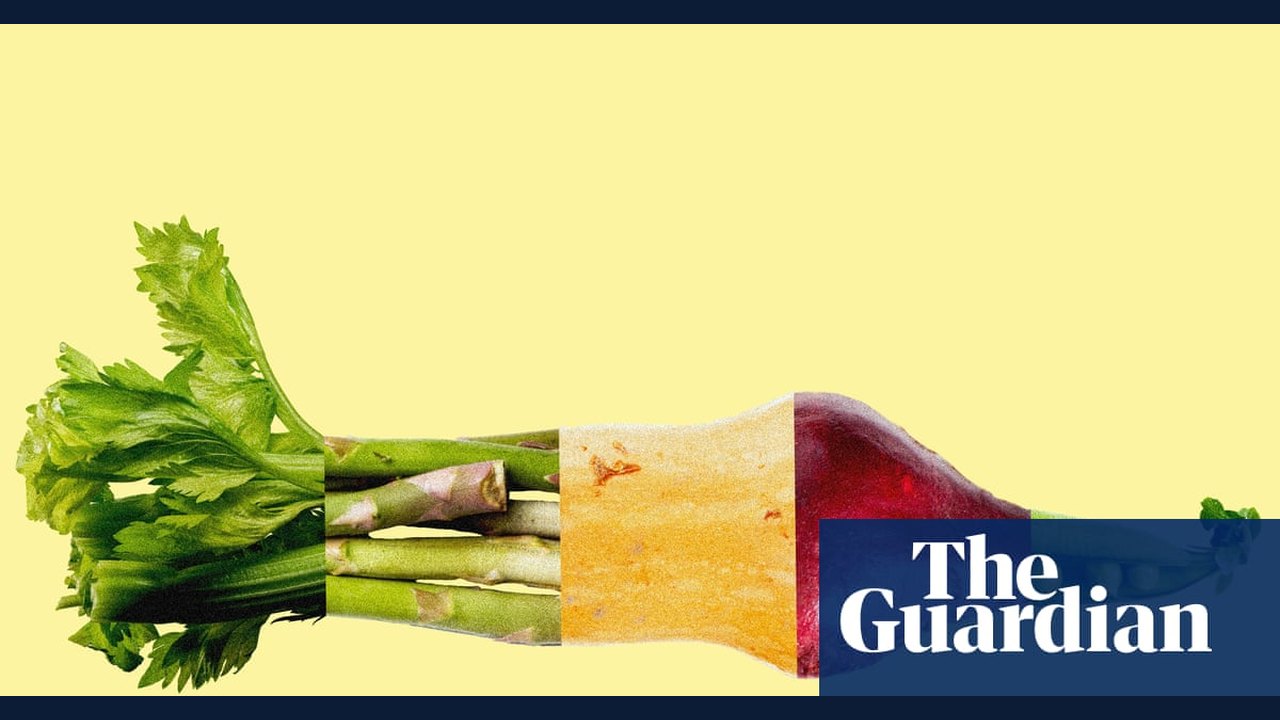
Image: the Guardian · Photo source · Resized and letterboxed to 16:9; no AI generation
Recent research suggests that discarding fruit and vegetable peels, skins, stalks, and seeds means missing out on significant nutritional value. A study published in the *International Journal of Food Sciences and Nutrition* by King's College London found that in 10 out of 12 types of produce analysed, fibre levels were higher in the scraps than in the flesh. Experts note that incorporating these parts into meals can help address the global dietary fibre deficit while tackling food waste.
Nutritional Benefits and Fibre Content
According to experts, 96% of adults do not meet the recommended daily intake of 30g of fibre. Utilising overlooked parts can bridge this gap:
- Skins and Peels: Vegetable skins contain higher fibre than flesh, such as 40% more in beetroot and 84% more in celeriac.
- Cauliflower: The core and leaves contain 112% more fibre than the florets.
- Leeks: Tops and roots contain 77% more fibre than the rest of the leek.
- Pineapple: Skin and core contain 454% more fibre than the flesh.
- Kiwi and Watermelon: Kiwi skin contains 195% more fibre than its flesh, while watermelon rind contains 426% more.
Beyond fibre, peels and stalks are rich in plant chemicals like polyphenols, which are linked to various health benefits.
Practical Ways to Use Scraps
Chefs and sustainable cooking experts share several methods to transform kitchen scraps into flavourful dishes:
- Stocks and Powders: Carrot offcuts and mushroom trimmings can be dried and blitzed into powders for an intense savoury hit, or scraps can be boiled for homemade stock.
- Fermentation: Cauliflower leaves can be turned into kimchi, and leftover carrots into a fermented slaw.
- Teas and Jams: Dried fruit skins, such as pear or apple, can be used like tea leaves, while tough outer leaves of fennel can form the basis of a sweet and sour jam.
- Pickling: Items like leek flower buds and coriander seeds can be pickled for use during colder months.
Important Safety Considerations
While root-to-tip cooking offers many benefits, experts advise caution on a few fronts:
- Pesticides: Nutrients are concentrated in the skin, but pesticide residues can also be higher. Washing produce thoroughly or buying organic are recommended approaches.
- Toxicity: Rhubarb leaves should be avoided due to their high oxalic acid content, which can cause adverse symptoms like abdominal cramping and nausea.
- Yams vs. Sweet Potatoes: While sweet potato skins are thin and edible, true yams have coarse, thick bark-like skins that must be peeled before cooking.
To verify original claims, consult the published study in the *International Journal of Food Sciences and Nutrition* or resources from the British Nutrition Foundation.
AI-assisted reporting; source claims are attributed and have not been independently verified.
More to read
 Newly Identified Bird-Like Dinosaur May Be First Known Fruit-Eating Specialist, Study Finds
 Stanford Nutrition Expert Christopher Gardner Explores Science-Backed Eating in New Book
 Gherkins in the Spotlight: Exploring 17 Culinary Ways to Enjoy Pickles After UK Budget Tariff Cuts
 How to Transform Leftover Custard Into a Seasonal Fruit Fool