Viral Video Sparks Debate Over Knitwear Gender Discrepancies and Synthetic Blends
· GlobeWire Daily Lifestyle Desk · Source: www.theguardian.com
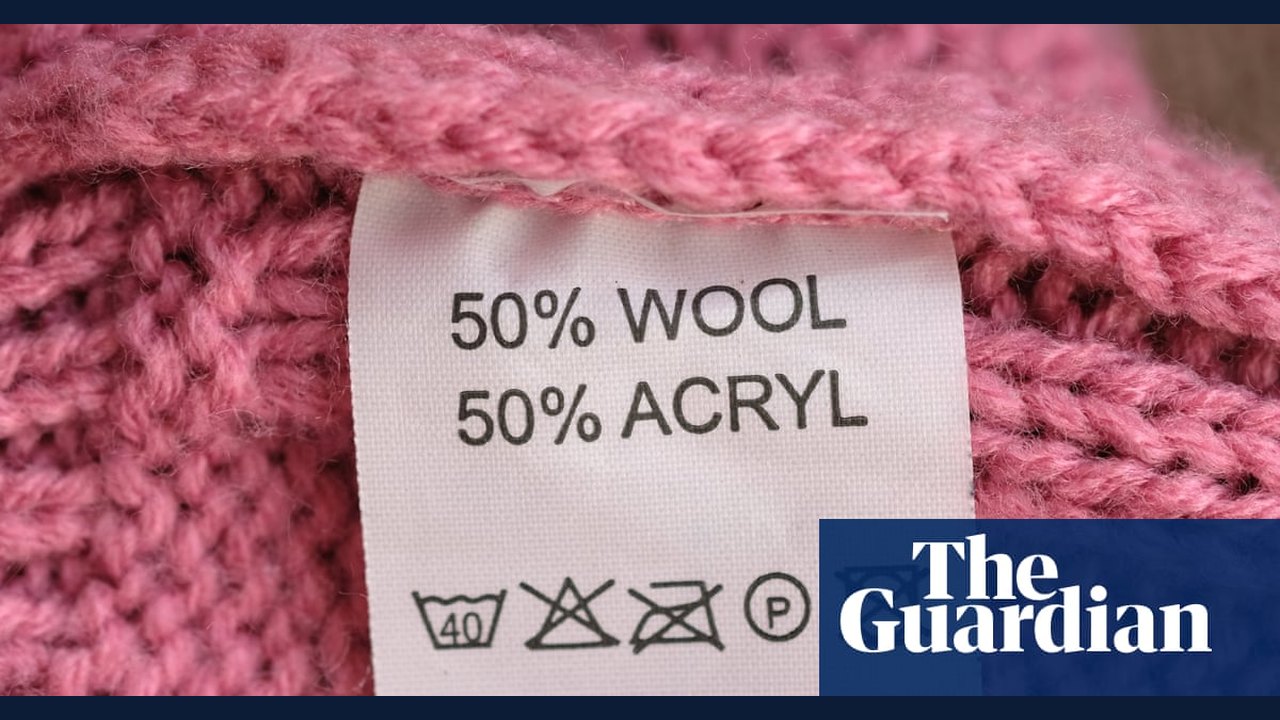
Image: the Guardian · Photo source · Resized and letterboxed to 16:9; no AI generation
A viral social media video has drawn attention to potential differences in materials used for men's and women's knitwear at the same price point, prompting further analysis from data platforms and fashion experts regarding fabric composition.
The Viral Discovery and Data Analysis
A video shared on TikTok by fashion content creator Rachael Brownfield highlighted an Abercrombie & Fitch 100% merino wool jumper priced at $95 in the menswear section, compared to a womenswear jumper priced the same that contained 30% wool. While the styles differed, the comparison sparked online discussion about pricing and material quality.
Following the video, data platform Style Analytics reviewed full-price knitwear offerings from six major US brands priced under $100. According to reported findings:
- Men's jumpers under $100 were reportedly up to five times more likely to consist of 100% natural fibres like wool, cotton, or cashmere compared to women's items.
- Women's jumpers in the under-$100 bracket were found to be twice as likely to contain polyester.
- Researchers noted the knitwear gender gap appeared to narrow only at price points of $100 or higher.
Industry Factors and Fabric Composition
Fashion educators and designers suggest several factors may influence the prevalence of synthetic fabrics in women's clothing, including rapid trend cycles, consumer demand for stretch and fluidity, and production scaling. Synthetics such as nylon, elastane, and polyester are often less expensive to produce than natural fibres like wool and cotton.
Experts also emphasize that shoppers should carefully examine garment care labels. Terms like "wool blend" can sometimes contain minimal natural fibre percentages, while marketing terminology may highlight softness without incorporating luxury materials.
Practical Implications and Verification
Consumers can verify clothing composition by checking physical or online care labels before purchasing. Fashion specialists recommend:
- Reviewing exact percentage breakdowns of materials on garment tags.
- Weighing the trade-offs between durability, ease of care, and fabric feel.
- Understanding individual wardrobe needs rather than attempting to adopt menswear styles that may not fit standard cuts.
AI-assisted reporting; source claims are attributed and have not been independently verified.
More to read
 Newlywed Woman Loco Pilot Returns to Duty in Traditional Attire, Viral Video Sparks Debate
 Viral Video of Couple Marking New Car with Footprints Sparks Online Debate
 Viral Video Sparks Debate As Construction Worker Climbs 21 Floors With Bricks While Lifts Denied
 Entrepreneur's Viral Post Sparks Debate on Domestic Tourism Costs After Claiming International Travel Was Cheaper Than Rishikesh