What Happens When a Loved One Donates Their Body to Science
· GlobeWire Daily Lifestyle Desk · Source: www.theguardian.com
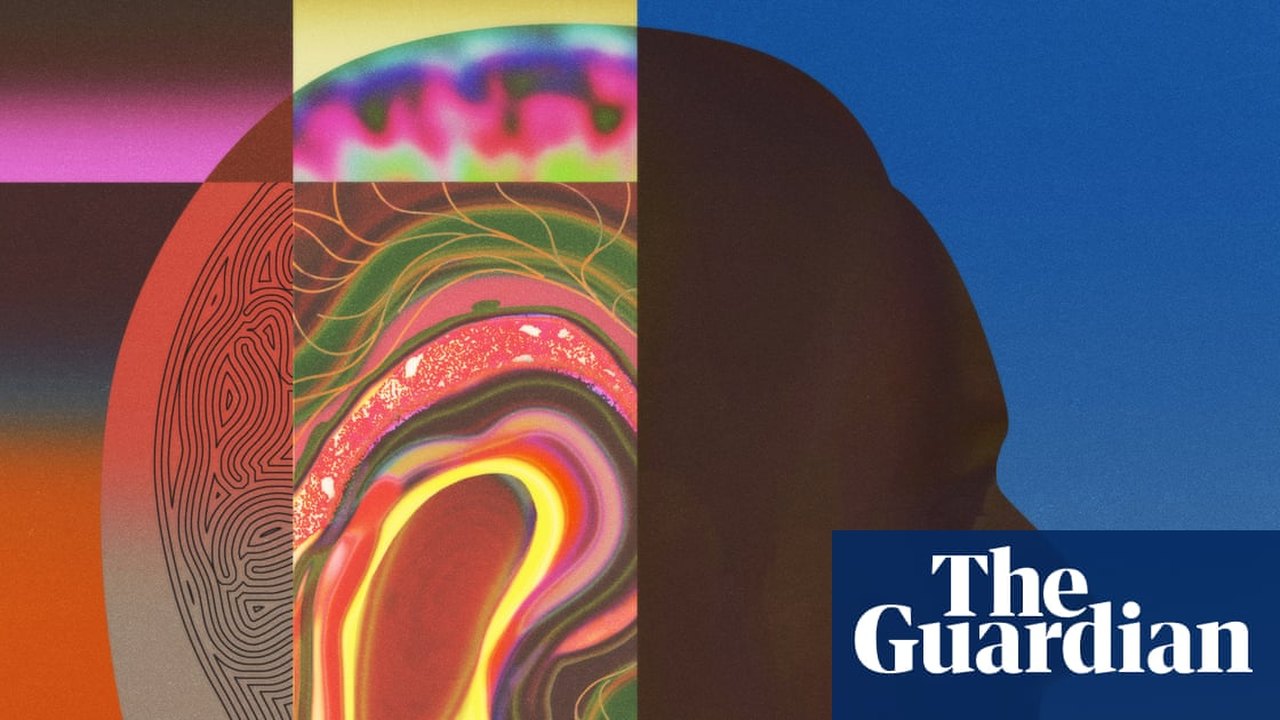
Image: www.theguardian.com — Creative Commons
The Decision to Bequeath
When Erin O’Connell was diagnosed with a rare and aggressive cancer at age 62, she faced her terminal illness with a clear plan. Decades earlier, while training as a physical therapist, O’Connell had participated in an anatomy lab and told her family that dissecting a human body was the most fascinating thing she had ever done. When she fell ill in Portland, Oregon, she filled out the paperwork to donate her body to science.
According to Tamara Ostervoss, director of the body donation program at Oregon Health & Science University (OHSU), roughly 25,000 Americans register to donate their bodies annually. However, demand significantly outstrips supply, and only about 1% of people in Oregon choose this path. For O'Connell, the registration involved a simple two-page consent form, ensuring no financial profit for the family and relinquishing control over how the remains would be used.
Screening and Eligibility
Not all registered donors meet the criteria at the time of death. Program administrators estimate that about 25% of prospective donors are eventually disqualified, frequently due to factors like body weight fluctuations or the physical toll of advanced disease. O’Connell's family experienced a moment of intense relief when she passed her post-mortem physical assessment, allowing her remains to be accepted by OHSU.
Approved bodies go on to serve as educational tools for medical students, surgical residents, practicing physicians, and other healthcare professionals. At OHSU, approximately 150 accepted donors each year help train roughly 5,000 learners across the state, offering hands-on experience with anatomical variations that cannot be entirely replicated by digital models or simulations.
Memorials and the Student-Family Connection
Medical anatomy programs have historically fostered a detached approach to dealing with death. However, modern institutions often incorporate memorial traditions to honor donors and help students process the emotional reality of working with human remains.
At OHSU, this culminates in an annual body ceremony—a tradition where students organize a service and reception for donor families. The event features student-led reflections, musical performances, and an opportunity for families and future healthcare providers to connect, bridging the gap between clinical education and human grief.
Months after the donation, O’Connell's family received her cremated remains via the US Postal Service. Later, following a formal inquiry, the university revealed that her remains contributed to the instruction of 121 learners, specifically supporting training in spine anatomy, neurosurgery, and orthopedic residency courses.
Practical Implications and What Readers Can Verify
For families considering body donation, the process typically involves advanced planning and direct communication with a university or institutional program. Key practical details and distinctions include:
- Costs: Donation programs generally cover the cost of transportation, cremation, and the return of ashes, eliminating immediate funeral expenses such as embalming, viewings, or caskets.
- Uncertainties: Families do not choose how the body is utilized, and privacy laws (such as HIPAA) mean specific details about which students interacted with a donor are typically withheld unless requested through formal administrative channels later.
- Verification: Readers can research accredited body donation programs through the University of Oregon, OHSU, or similar academic medical centers, and review consent documentation directly via official institutional websites such as [OHSU Body Donation Program](https://www.theguardian.com/wellness/ng-interactive/2026/oct/24/body-donation-science).
AI-assisted reporting; source claims are attributed and have not been independently verified.
More to read
 Dr. Shriram Nene Outlines Key Wellness Principles for Sustainable Health
 How a Casual Dining Chain Became an Unexpected Culture-War Flashpoint
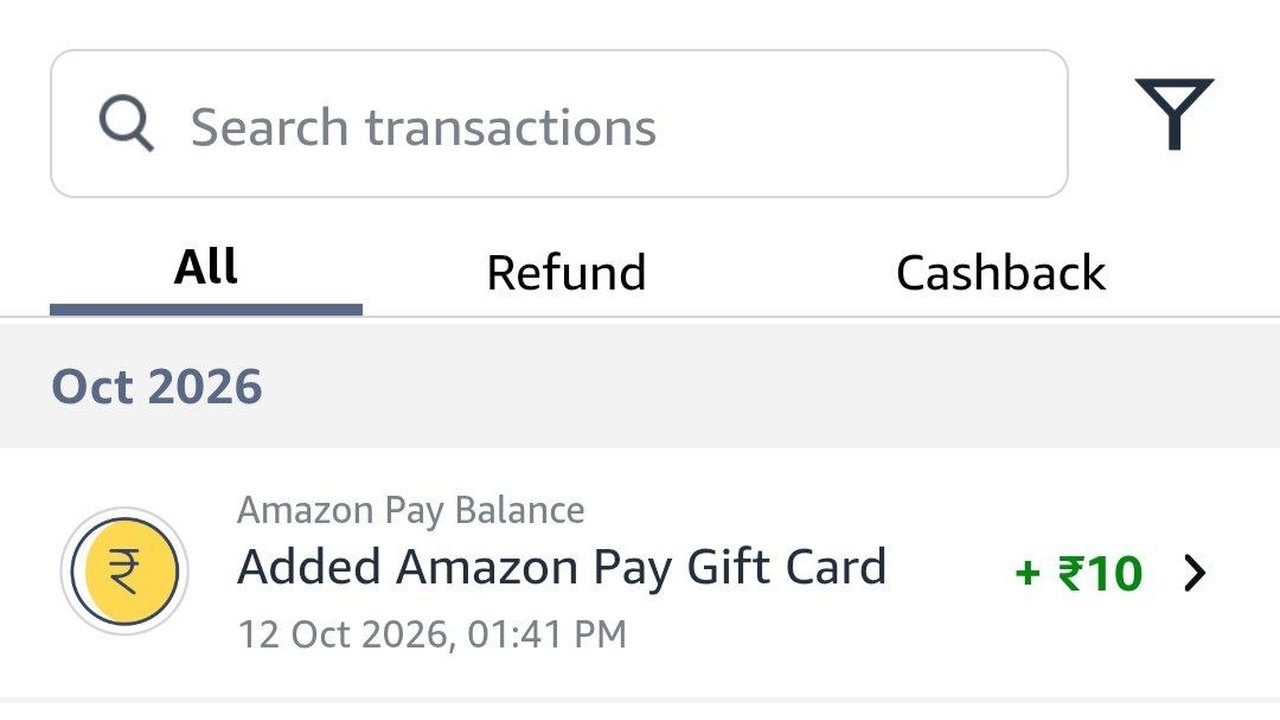 Examining Online Promotional Claims for Small Amazon Pay Gift Card Offers
 Navigating Free Google Play Redeem Codes: Methods, Risks, and Verification
Trending on GlobeWire Daily
Selected from recent coverage and related topics; not live search rankings.
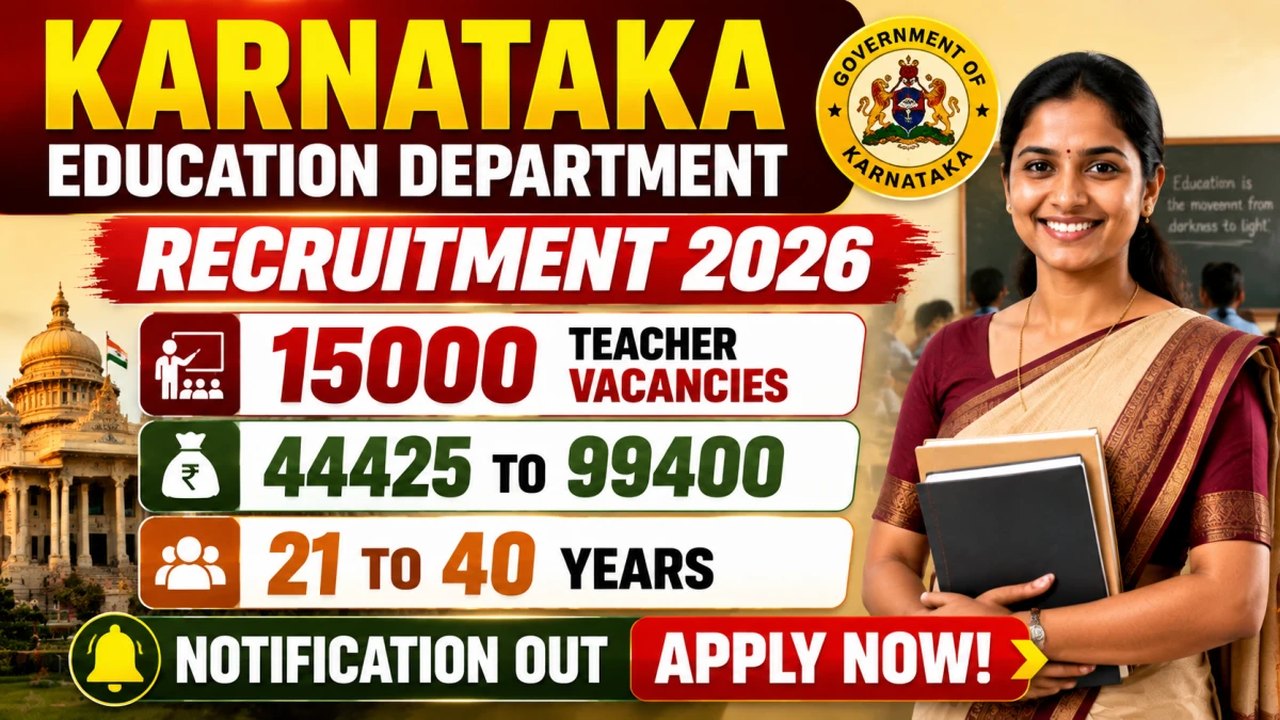 Karnataka School Education Department Extends Online Application Deadline for 2026 Teacher Recruitment to 16 November
 KRDP Recruitment 2026: Online Applications Open for 12,878 Group B and C Vacancies
 RRB Releases 2026 Station Master Recruitment Notification for 1,265 Posts
 GSSSB Work Assistant Recruitment 2026: 1,663 Vacancies, Online Applications Close October 29
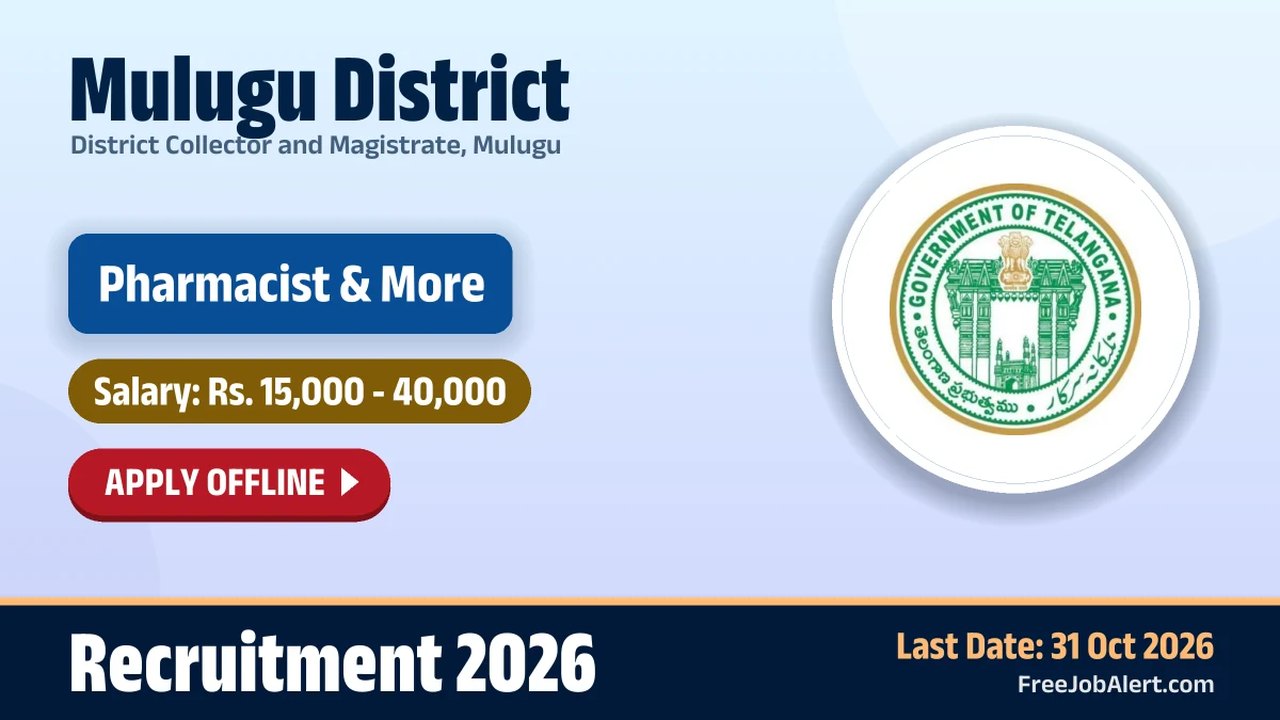 Mulugu District Recruitment 2026: Offline Applications Open for 7 AYUSH and Health Posts
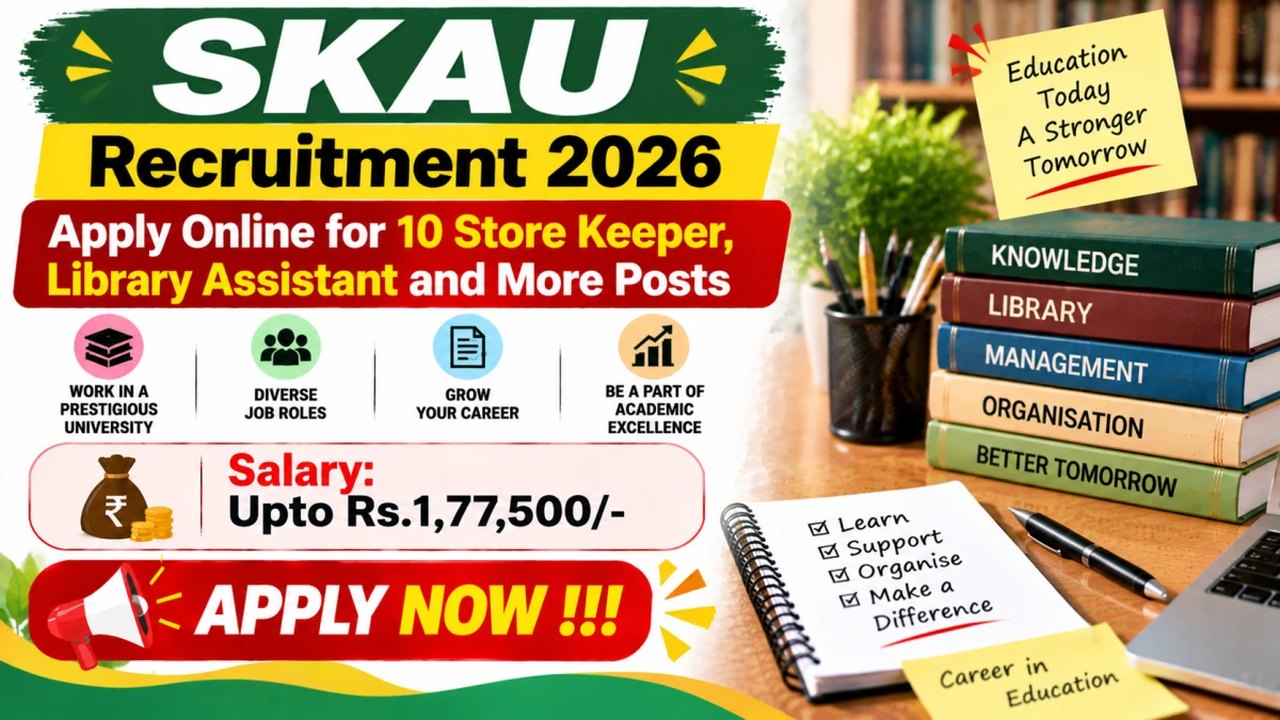 SKAU Non-Teaching Recruitment 2026: Application Deadline Extended to November 2