What Writing a Book About Death Taught One Author About Intergenerational Connection and Grief
· GlobeWire Daily Lifestyle Desk · Source: www.theguardian.com
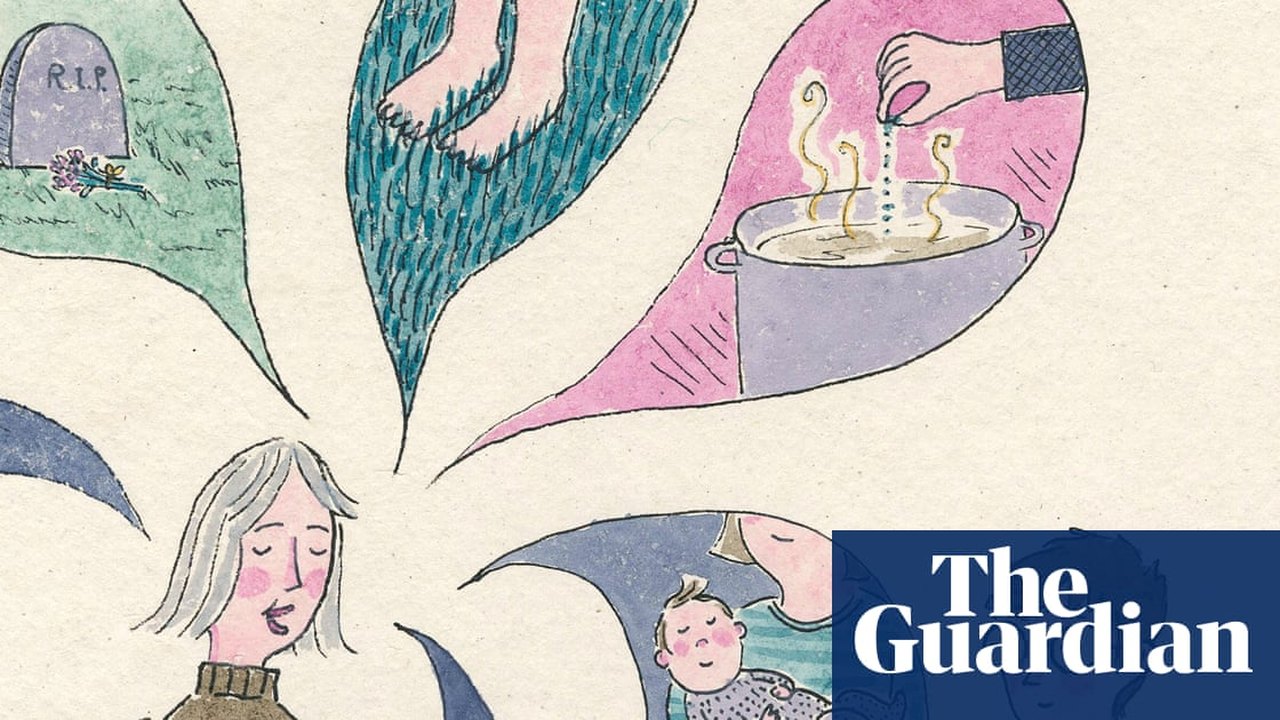
Image: www.theguardian.com — Creative Commons
Exploring Mortality and Family Legacy Through a Graphic Novel
In an essay reflecting on the eight years since the publication of her graphic novel, What to Do When I’m Gone: A Mother’s Wisdom to Her Daughter, author Suzy Hopkins has shared insights into how families approach conversations about death, grief, and legacy. Co-created with her daughter Hallie—who provided its gouache illustrations—the book began as an effort to ease her daughter's existential anxiety by recording advice, memories, and family recipes.
Originally facing rejections from multiple publishers who questioned the market for a book centered on grief, the title was eventually published by Bloomsbury in 2018. It has since been translated into seven languages, sparking global feedback from readers navigating the loss of parents, spouses, and other loved ones.
Reader Response and the Universal Desire for Family History
According to Hopkins, the project resonated deeply with readers seeking ways to bridge generational gaps. Common responses from the public include individuals using the book to process personal losses, passing copies to their children with personal notes in the margins, or utilizing the text to initiate difficult conversations with aging parents who are reluctant to discuss mortality.
While the book drew varied critiques—including mixed online reviews questioning its eclectic mix of practical advice and personal anecdotes—the broader reception highlights a widespread human desire to preserve family narratives. Psychological studies indicate that understanding one's family history and hearing how previous generations navigated hardships can support mental health and identity formation.
Practical Implications and What Readers Can Verify
For readers interested in exploring themes of legacy and family communication, the discussion underscores several practical considerations:
- Family Dialogue: Experts and authors in this space suggest that discussing personal values, beliefs, and history proactively can help loved ones feel more connected.
- Preserving Stories: Recording oral histories, writing memoirs, or compiling family recipes serves as a tangible way to pass down a unique personal voice to younger generations.
- Coping with Loss: While books and creative projects offer comfort, readers processing severe grief often benefit from professional mental health support and community resources.
What is Confirmed:
- What to Do When I’m Gone was published by Bloomsbury in 2018, co-authored by Suzy Hopkins and illustrated by Hallie Hopkins.
- The book has been published in seven languages.
- The reflections and reader feedback are detailed in published commentary from the author.
What Remains Unknown:
- Exact sales figures and the full scope of private reader correspondence remain unquantified.
Readers wishing to read the original essay and verify the background details can access the official publication at [The Guardian](https://www.theguardian.com/wellness/ng-interactive/2026/oct/30/death-grief-loss-book).
AI-assisted reporting; source claims are attributed and have not been independently verified.
More to read
 Test Your Knowledge: Weekly News Quiz Explores Elections, Budgets, and Geese
 Neuroscientist Explains How Small Daily Habits Shape Brain Health and Sleep
 Lab-Tested Water Filters Reveal Top Performers Outshine Traditional Household Favorites
 Living Inside the 1980s Horror History: Inside the Real 'Poltergeist' House
Trending on GlobeWire Daily
Selected from recent coverage and related topics; not live search rankings.
 Bihar BSSC Field Assistant Mains Online Form 2026: Dates, Eligibility and Application Details
 UPSSSC PET 2026 Admit Card and Exam City Details Released: What Candidates Need to Know
 Coal India Limited Announces 2026 Internship Program Under Prime Minister's Scheme
 NTA NIFTEE 2027 Application Process Opens: Dates, Eligibility, and Exam Structure
 Bihar School Examination Board Opens BLET 2026 Registration with Deadline Set for October 31
 NTA Opens JEE Mains 2027 Session I Application Window: Key Dates and Details