US Navy Fleet Costs Rise Due to 'Trump-Class' Warships and Iran Conflict, Report Warns
· GlobeWire Daily Editorial Desk · Source: www.theguardian.com
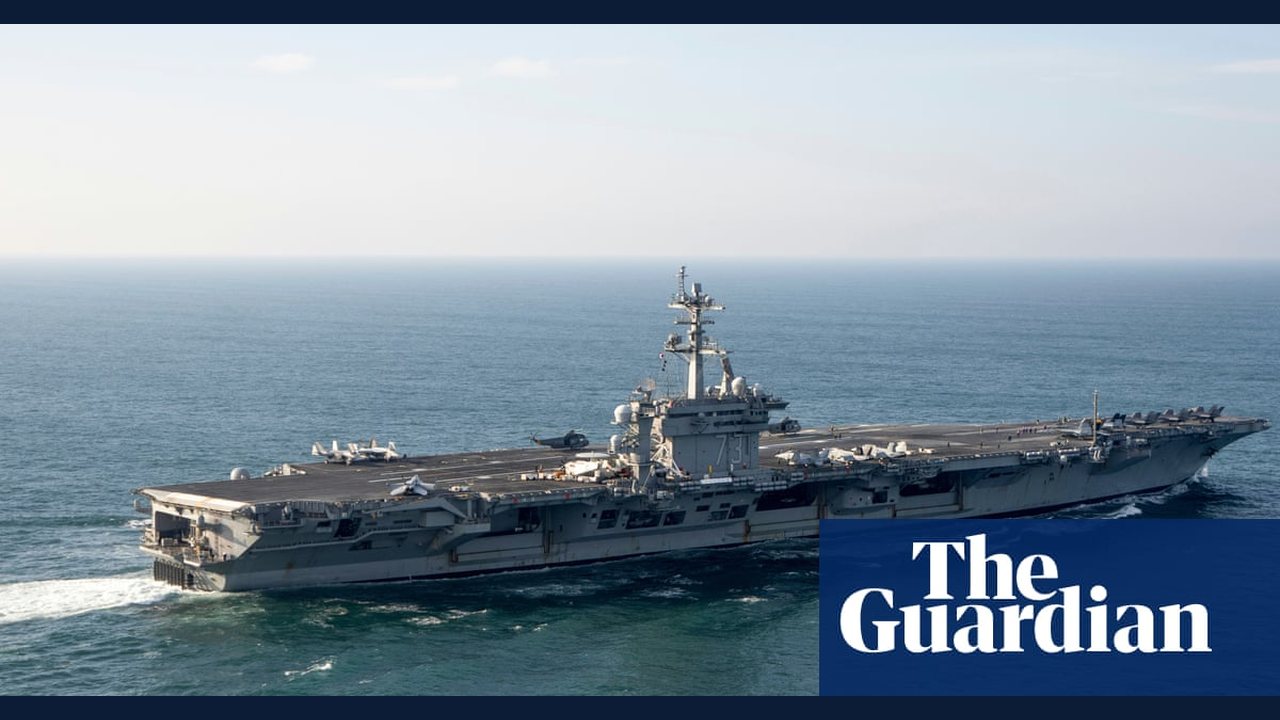
A congressional report warns that the US Navy's commitment to proposed "Trump-class" battleships and ongoing conflict in Iran have significantly increased fleet expenses and strained operational capacity.
According to an analysis by the Congressional Budget Office (CBO), total shipbuilding costs are projected to average $54bn annually over the next 30 years in 2026 dollars, representing an 18% increase over navy estimates. The budget office reported that earlier estimates for certain vessels were unrealistically low and that designs have proven more complicated than anticipated.
Fleet Strain and Operational Challenges
During a Senate confirmation hearing, acting Navy Secretary Hung Cao acknowledged that the war in Iran is stretching the fleet's capacity. Deployment lengths have frequently exceeded standard timeframes, with some vessels remaining deployed for up to 11 months and spending over 300 days at sea. Maintenance and repair schedules have been deferred to sustain these extended deployments.
The operational strain was further underscored by a period between August and November when the US had no aircraft carrier deployed across the Pacific, following the return of the USS George Washington.
Proposed 'Trump-Class' Ships and Budget Debate
- Proposed Fleet Addition: The Navy's 2027 plan includes purchasing 15 large, heavily armed "Trump-class" battleships.
- Budget Actions: Senate appropriators recently proposed eliminating the $1bn requested by the Navy for advanced procurement of these vessels in the current fiscal year.
- Strategic Disagreement: CBO analysts noted that concentrating firepower in a small number of large ships contradicts the Navy's stated goal of distributing capabilities across a larger number of vessels.
Impact on Shipping and Global Costs
United Kingdom Maritime Trade Operations reports indicate that shipping traffic through the Strait of Hormuz remains approximately 65% below pre-war levels following US and Israeli strikes launched on 28 February. Insurance costs and logistical challenges have risen, affecting global supply chains and commodities such as fuel, fertilizer, and food.
Independent analysts, including Prof Kevin Rowlands from the Royal United Services Institute, have described the current overstretch as critical but manageable in the short term, while warning of long-term consequences for fleet maintenance and personnel if extended operations continue. Observers note that verifying official announcements and budget figures requires reviewing reports from the CBO, congressional committees, and official defense publications.