Apple Tests Camera-Based Face Unlock for iPhone Duo in Developer Beta
· GlobeWire Daily Editorial Desk · Source: www.theverge.com
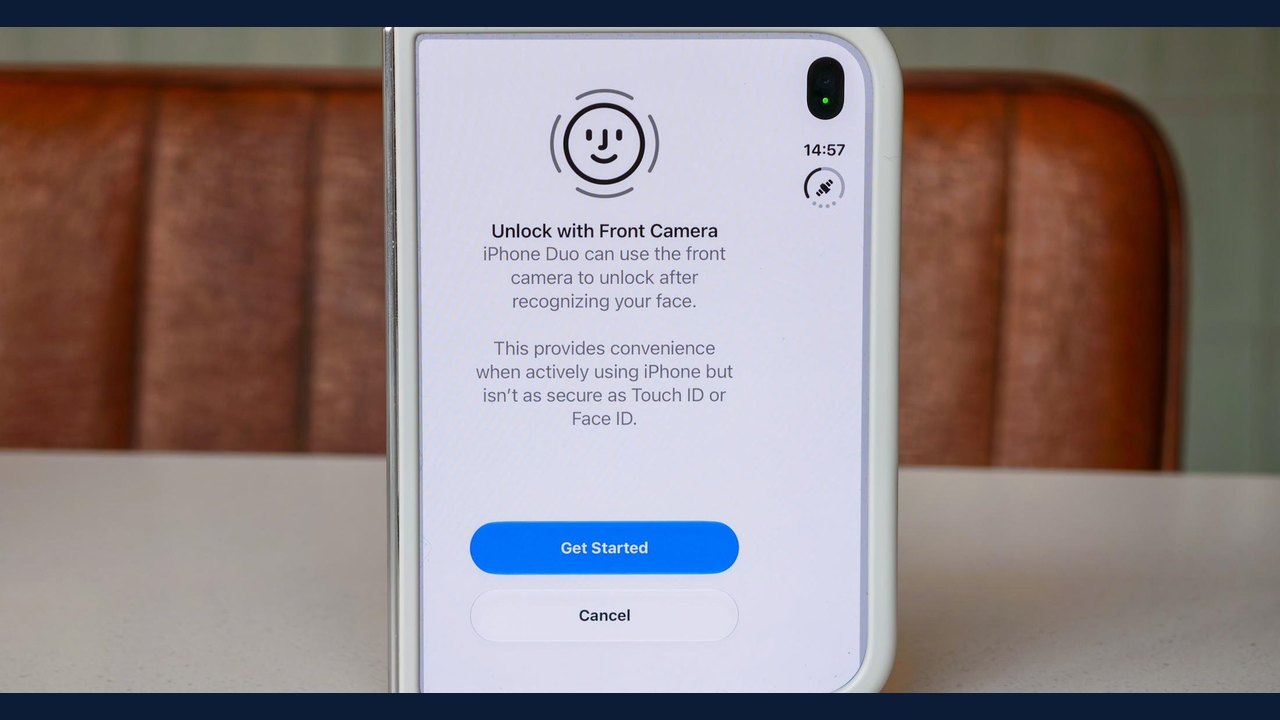
Image: Dominic Preston · Photo source · Resized and letterboxed to 16:9; no AI generation
Apple is testing a simpler, camera-based face unlock feature for the iPhone Duo in the latest developer beta of iOS 27.3. According to hands-on reports, the feature uses the front-facing camera rather than the full TrueDepth sensor array found on other iPhone models, which could not fit into the foldable architecture.
How the Feature Works and Setup
- Setup Process: Users turn their head left, right, up, and down during a setup process taking about five seconds.
- Speed: The feature reportedly unlocks the device in about half a second.
- Current Status: Available in the iOS 27.3 developer beta, with a potential public beta rollout and a full release expected in December.
Security Limitations and Restrictions
Apple warns that the new option is less secure than Touch ID or Face ID because it lacks an infrared depth map, meaning it can theoretically be spoofed using a photo or video clip. To mitigate risks, the system enforces several limitations:
- Failed Attempts: If an attempt to trick the system with a photo fails, the phone demands Touch ID for the next login.
- Scope of Use: Face unlock is restricted to unlocking the phone from the lockscreen; Touch ID or a passcode remains required for Apple Pay and app logins.
- Time Limit: The feature automatically times out after 45 minutes, requiring manual verification.
- Camera Restriction: It currently works only with the outer display's selfie camera, not the under-display inner camera.
Practical Implications and Verification
Users can verify official feature availability and software updates directly through Apple's developer channels and official release notes. Reviewers note that while the feature adds convenience over Touch ID alone, its restrictions highlight a trade-off between speed and security.
AI-assisted reporting; source claims are attributed and have not been independently verified.
More to read
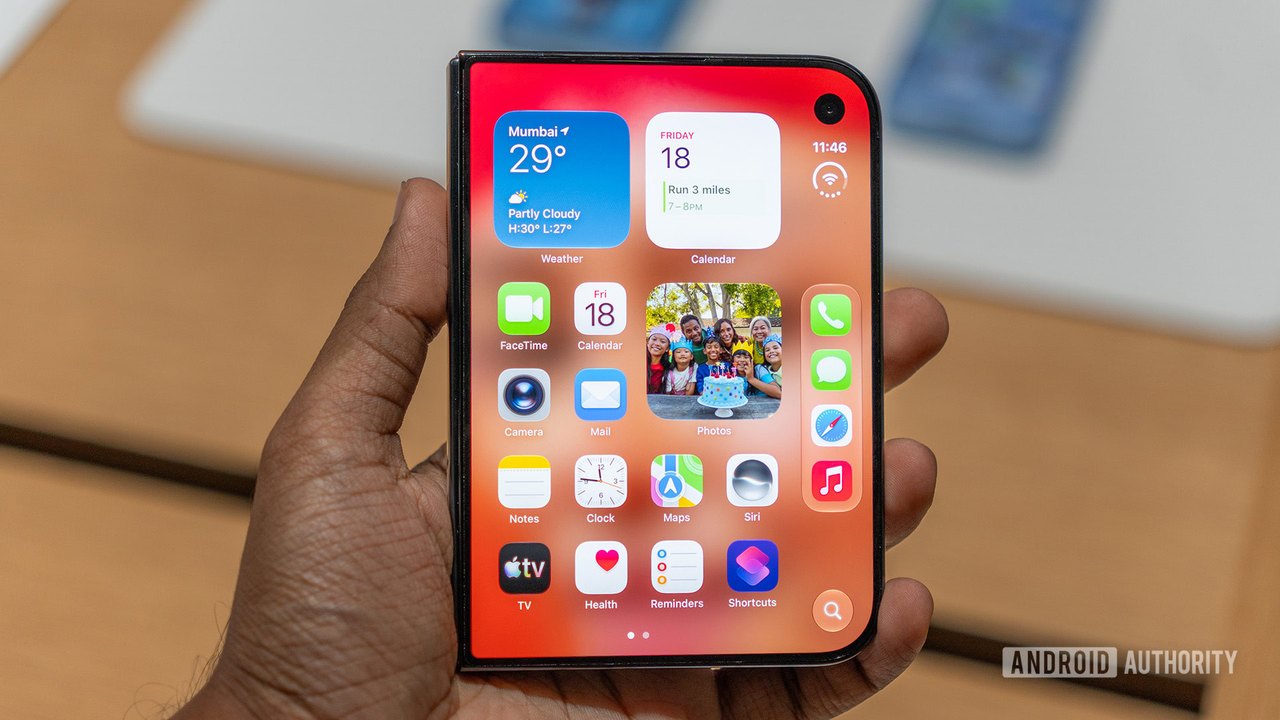 Apple Adds Camera-Based Face ID to iPhone Duo in iOS 27.3 Beta
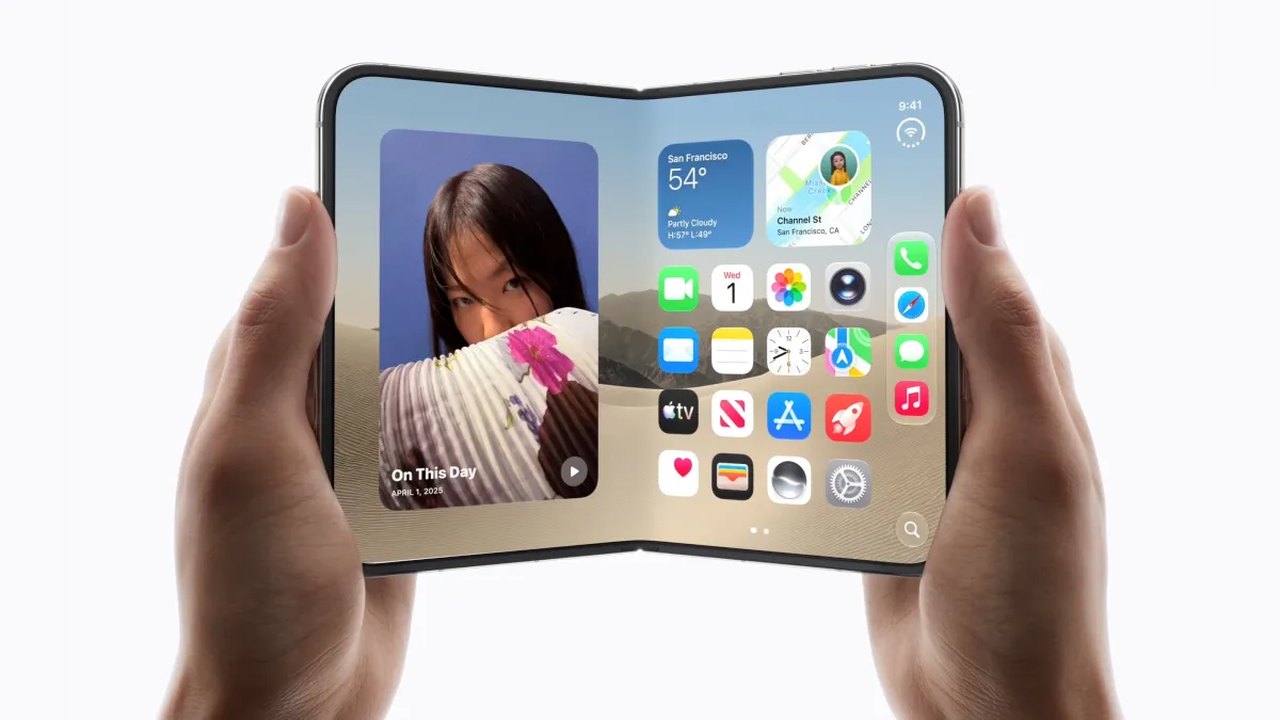 Apple Introduces Software-Based Face Unlock for iPhone Duo in iOS 27.3 Beta
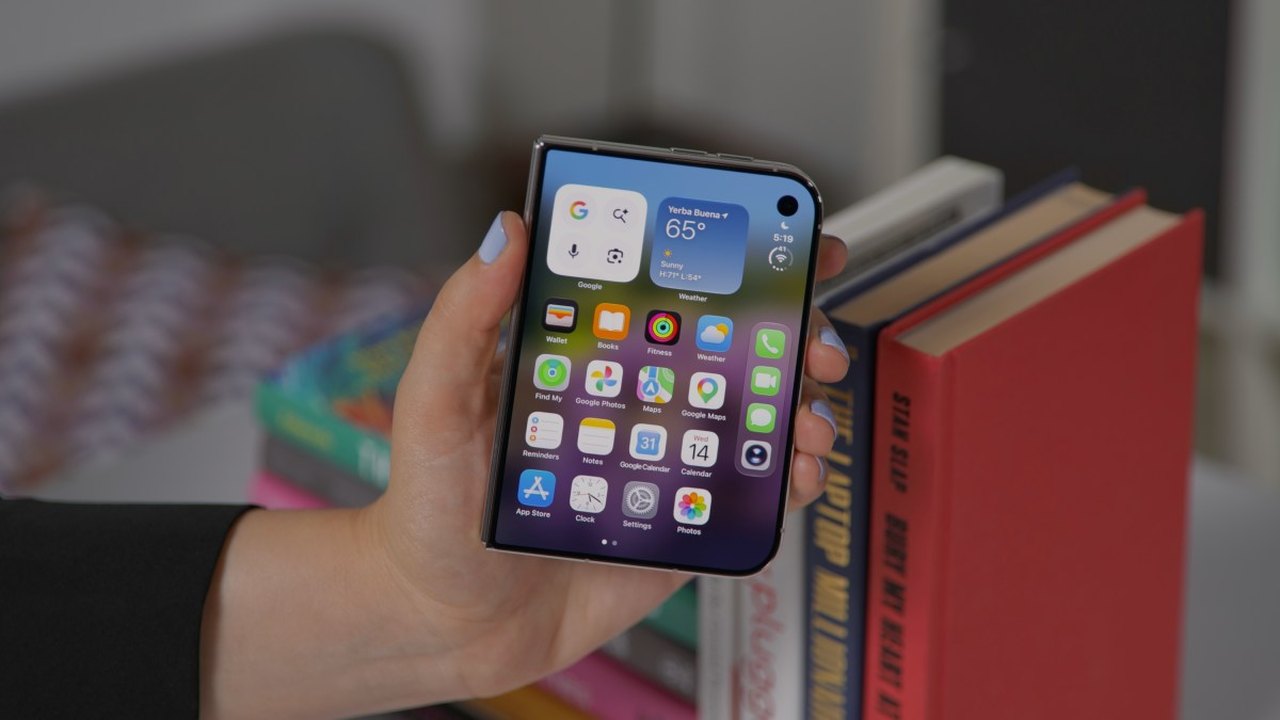 Apple Adds Front-Camera Unlocking to iPhone Duo via iOS 27.3 Beta
 Apple Tests Face Unlock and Foldable-Specific Controls in iOS 27.3 Beta 2