Director Ali Toffan Al-Fatlawi Explores Perception and Rejects Western Stereotypes in ‘The Blind Ferryman’
· GlobeWire Daily Editorial Desk · Source: variety.com
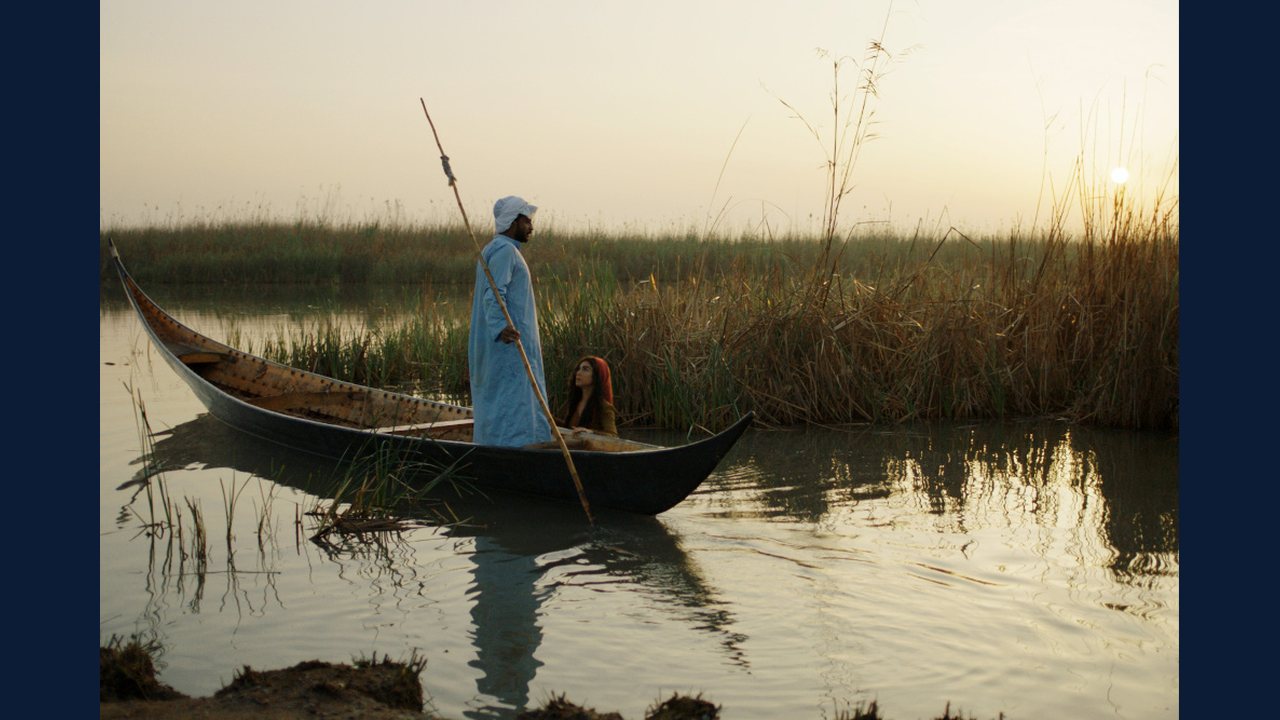
Iraqi-Swiss filmmaker Ali Toffan Al-Fatlawi discusses his fiction feature debut, “The Blind Ferryman,” which explores perception, trust, and love against the backdrop of Iraq's southern marshlands. The film had its world premiere at the 47th Cairo International Film Festival.
Origins and Inspiration
The project traces back to a thought Al-Fatlawi had during Iraq's 2006 civil war, wishing that blindness might spare his countrymen from violence. The narrative follows Ayoub (Ahmed Moneka), a blind boatman who falls in love with Genya (Sam Rahmani), a mysterious woman whom others cannot see. Al-Fatlawi drew upon stories from his father, ancient Sumerian mythology, and the “Epic of Gilgamesh” to shape the character and setting.
Challenging Stereotypes
Al-Fatlawi deliberately avoided familiar cinematic tropes of war and poverty associated with Iraq.
- Rejecting Sympathy: The director stated he wanted to avoid making a film that solicits pity or makes Western audiences feel comfortable.
- Subverting Visual Cues: Casting features a Black Iraqi protagonist and a white, blue-eyed outsider in religious clothing, flipping conventional hero and villain appearances.
Production and Visual Approach
Developed from a background in painting and performance art, Al-Fatlawi created the screenplay by painting scenes before writing them. Working with his cinematographer, he utilized a 4:3 aspect ratio and framed wide shots to split the image equally between landscapes and water reflections. For the lead actor, he instructed Moneka to keep his eyes open and fixed to avoid conventional portrayals of pity. Financing included about $2.5 million secured in 2022, following development support from various international film institutes and festivals. To complete a crucial underwater sequence affordably, the production utilized a cenote in Mexico instead of an expensive water tank.
Practical Implications and Verification
Readers interested in the film can verify official screening schedules and festival announcements directly through the Cairo International Film Festival or official trade reports. The production details and director statements are sourced from published interviews.
More to read
 Director Julie Bertuccelli Says Producer Stole Her Film Adaptation at IFFI Masterclass, Readies India-Set Project
 Director Sara Shazli Discusses Documentary ‘Your Daughter,’ Family Legacy, and Filmmaking as Healing
 Director Nikhil Mahajan’s Marathi Neo‑Noir ‘Mongoose’ Enters WAV E S Co‑Production Market
 Marion Cotillard Discusses Jury Role at Marrakech Film Festival