Egypt Museum Exhibition Displays Artifacts from Napoleon’s Sunken Fleet
· GlobeWire Daily Editorial Desk · Source: egyptian-gazette.com
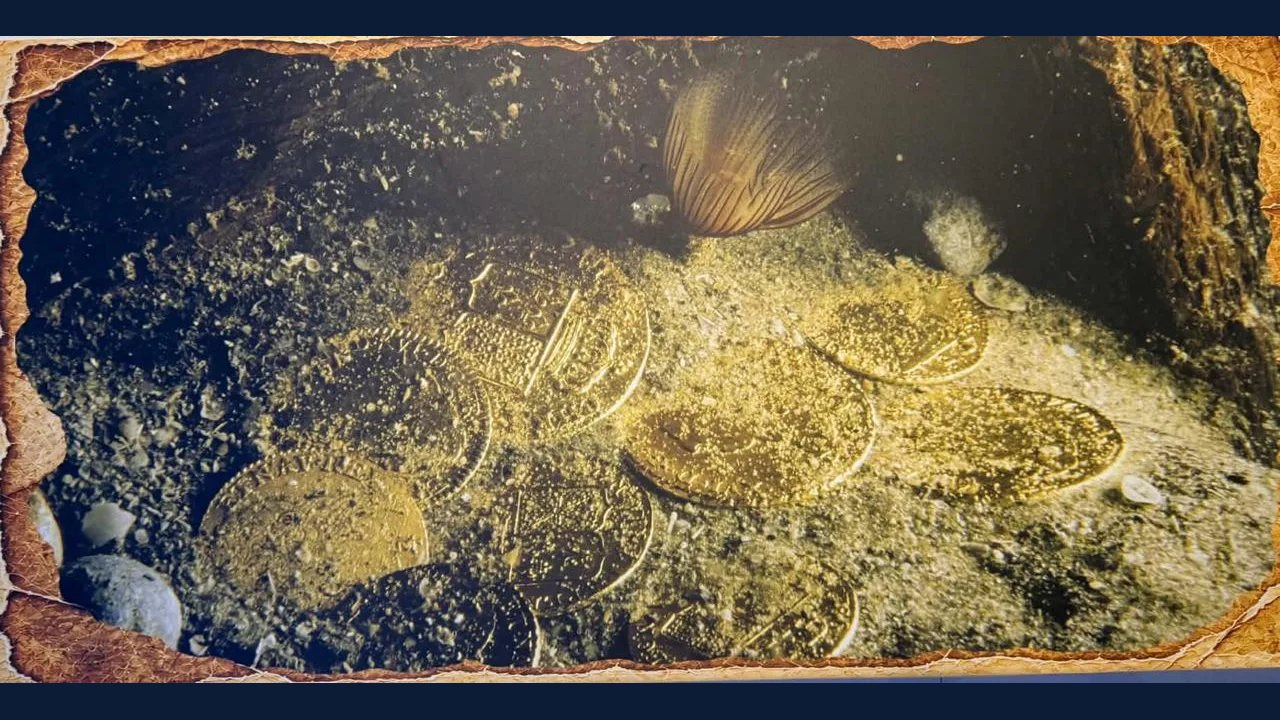
A new exhibition at the National Museum of Egyptian Civilisation in Fustat offers a glimpse into daily life aboard Napoleon Bonaparte’s 18th-century fleet through recovered seabed artifacts, according to reports.
Exhibition Overview and Historical Context
Titled “Napoleon’s Fleet: Tales Told by the Sea”, the exhibition marks the 30th anniversary of the founding of Egypt’s Department of Underwater Antiquities. The display features items such as cooking pots, silver spoons, a leather shoe, and brass apothecary weights recovered from waters off Egypt’s northern coast.
Historically, the French Directory sent an expedition to Egypt under General Bonaparte in 1798 to expand French influence and challenge British trade routes. The fleet set sail from Toulon on 19 May 1798, carrying soldiers, supplies, and a team of scholars and artists. After seizing Malta and landing troops near Alexandria, the expedition faced early logistical issues, including the sinking of the transport ship Le Patriote on 4 July after striking reefs.
The Battle of the Nile and Underwater Discoveries
While Napoleon advanced inland, the French fleet remained anchored in Abu Qir Bay under Vice Admiral François-Paul Brueys d’Aigalliers. On 1 August 1798, a British force led by Rear Admiral Horatio Nelson attacked the fleet. The engagement resulted in a decisive British victory, highlighted by the explosion of the French flagship L’Orient around 10 p.m., cutting off the expedition's sea links with France.
According to the exhibition, the displayed artifacts highlight both military structure and ordinary crew life:
- Daily Life: Cooking utensils, oven bricks, ceramic plates, and silver and lead cutlery reflect galley operations.
- Medical and Scientific Tools: Brass cup weights and surgical instruments used by ship pharmacists and surgeons.
- Personal Effects: Buttons, belt buckles, jewellery, watches, and a leather shoe, with engraved symbols on buttons indicating various military units.
- Coinage: Gold, silver, and bronze coins from France, Malta, the Ottoman Empire, Venice, Spain, and Portugal, with foreign coins interpreted as potentially linked to treasures seized in Malta.
Research History and Verification
Underwater research on the wrecks spans several decades, beginning with Egyptian diver Kamel Abu El-Saadat in the 1950s and 1960s, followed by French researcher Jacques Dumas in 1983, Max Guérout in 1986, and Franck Goddio starting in 1996 using geophysical surveys.
The exhibition identifies several specific wrecks, including L’Orient, whose remains span over half a square kilometre, the frigate La Sérieuse, and L’Artémise, which was abandoned and set on fire by its crew. Officials note that visitors can verify exhibition details and opening schedules by checking official announcements from the National Museum of Egyptian Civilisation.