Hollywood Adapts Classic Novels Through Fresh Creative Approaches
· GlobeWire Daily Entertainment Desk · Source: www.hollywoodreporter.com
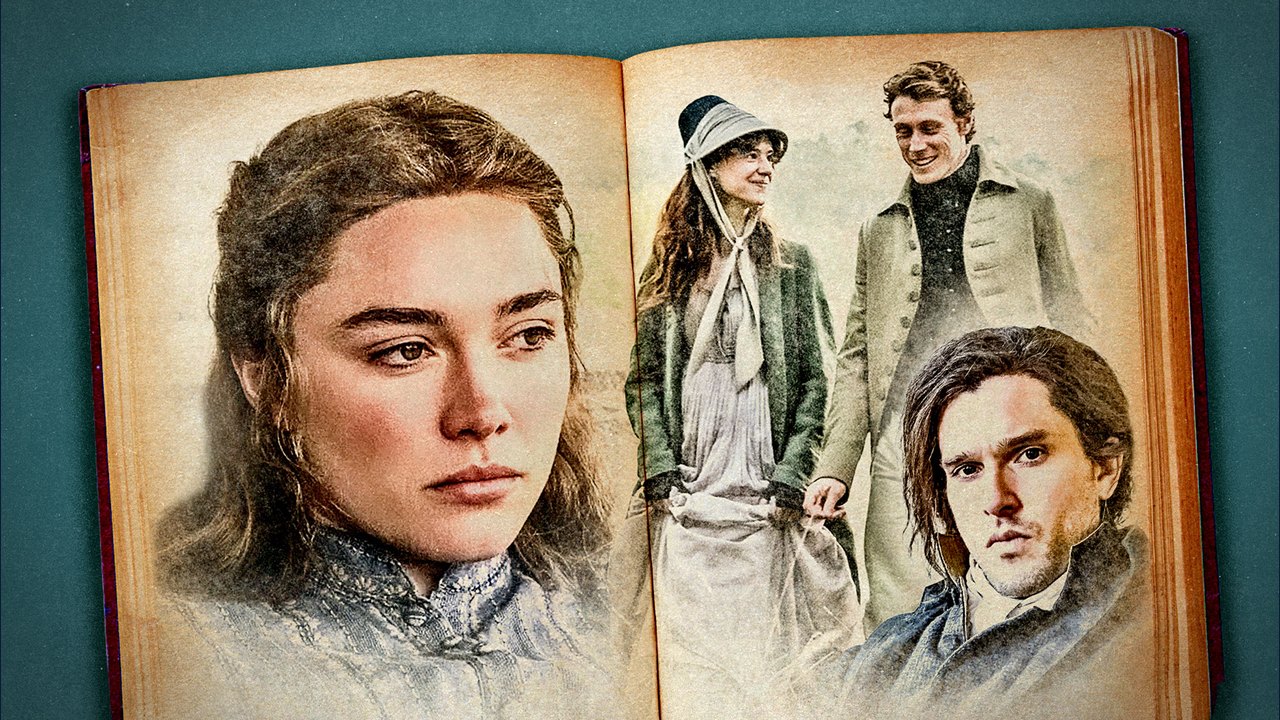
Image: Lexy Perez · Photo source · Resized and letterboxed to 16:9; no AI generation
Hollywood creatives are revisiting literary classics such as John Steinbeck’s East of Eden, Charles Dickens’ A Tale of Two Cities, and Jane Austen’s Sense and Sensibility, focusing on character adjustments rather than modernizing the original settings.
Recent screen adaptations have brought renewed attention to timeless literature. Creators behind these projects discuss balancing respect for source material with the demands of visual storytelling.
Creative Choices and Character Updates
- East of Eden: Showrunner Zoe Kazan adapted Steinbeck’s novel into an eight-episode Netflix limited series, exploring the emotional depth between brothers Adam and Charles while re-examining Cathy Ames, played by Florence Pugh.
- A Tale of Two Cities: Writer Daniel West and executive producer Kit Harington developed a four-part MGM+ series that premiered last month, reshaping characters like Lucie Manette to be more proactive and centering the narrative on a complex dynamic involving Sydney Carton and Charles Darnay.
- Sense and Sensibility: Screenwriter Diana Reid brought Jane Austen’s work to the screen, adapting scenes such as a duel between Colonel Brandon and John Willoughby to enhance visual drama.
Impact on Book Sales
Publishers and industry reports indicate that screen adaptations are driving renewed interest in the original texts. According to Penguin Classics, sales of East of Eden rose nearly 200 percent across formats following its screen release, and the novel reached No. 1 on Amazon’s best-sellers list. Additional reports note increased U.S. sales for Homer’s The Odyssey and high placement for Wuthering Heights on British best-seller lists.
Filmmakers express hope that these adaptations will encourage audiences to discover or revisit the original books, bridging historical literature with contemporary viewers.
AI-assisted reporting; source claims are attributed and have not been independently verified.
More to read
 Gerard Butler's Upcoming Action Thriller 'Empire City' Sparks Hollywood Bidding War
 How The Hunger Games Franchise Maintains Longevity Through Reinvention
 Brad Pitt Shares World War Z 2 Update and Discusses Fresh Zombie Ideas
 Hollywood-Inspired Holiday Gift Ideas: Exploring Popular Tech and Home Gadgets at Best Buy