Indian Auteur Girish Kasaravalli Reflects on 50 Years of Cinema at IFFI Masterclass
· GlobeWire Daily Editorial Desk · Source: variety.com
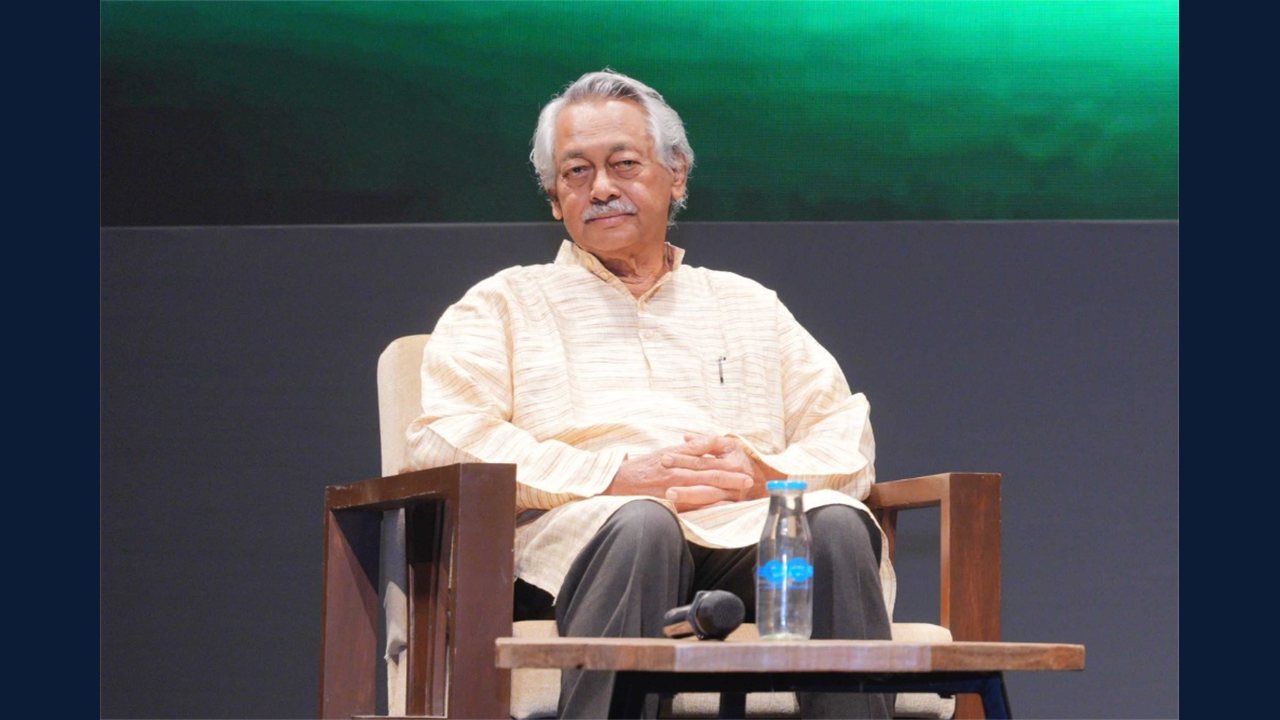
At the 57th International Film Festival of India (IFFI) in Goa, veteran Kannada-language filmmaker Girish Kasaravalli discussed his half-century in cinema during a masterclass titled “The Moral Universe of Parallel Cinema: 50 Years of Girish Kasaravalli.” Moderated by Variety’s Asia editor Naman Ramachandran, the session explored how the 75-year-old auteur examines social exclusion, cinematic aesthetics, and the political nature of storytelling.
Exploring Othering and Moral Complexities
Throughout celebrated works such as “Ghatashraddha” (1977), “Tabarana Kathe” (1986), “Thaayi Saheba” (1997), “Dweepa” (2002), and “Gulabi Talkies” (2008), Kasaravalli has consistently interrogated how societies marginalize individuals and how victims of oppressive structures can perpetuate them. Reflecting on his debut feature “Ghatashraddha,” he noted that all his films address “othering,” describing it as the ultimate cruelty inflicted by individuals or groups upon others.
Addressing whether he considers himself a political filmmaker, Kasaravalli argued that all filmmaking—whether mainstream or art house—makes a political statement either supporting or opposing the dominant ideology. He stated that pure entertainment does not exist, as entertainment itself functions as a political form. Furthermore, he emphasized that his characters do not act as mouthpieces for specific ideologies, drawing on Jean-Luc Godard's perspective that filmmakers must deeply inhabit characters before stepping back to assess them.
Visual Aesthetics and Imperfect Cinema
Kasaravalli discussed the evolution of his visual language, noting that the ritualistic style of “Ghatashraddha” emerged organically from its content rather than being externally imposed. He explained that he requires complete clarity of images before writing a script, detailing precise instructions for his crew down to which hand a character uses to lift a glass.
For “Gulabi Talkies,” Kasaravalli aimed for an “actuality coverage” feel, instructing cinematographer S. Ramachandra to avoid conventional pretty sea views and instead utilize 16mm film to let grain contribute to reality. He also referenced Cuban filmmaker Julio García Espinosa's concept of “imperfect cinema,” arguing that regional filmmakers should stay loyal to their own local conditions and aesthetics rather than imitating Western standards.
Distribution Challenges and Open Endings
Discussing the modern landscape, Kasaravalli expressed disappointment with streaming platforms, suggesting that OTT services mirror the limitations of older mainstream distribution networks rather than solving audience-reach problems. During the audience Q&A, he defended open endings in storytelling, asserting that filmmakers do not possess all of life's answers and instead offer options to provoke thought.
Concluding the session, IFFI festival director Ashutosh Gowariker praised Kasaravalli's filmography as educational textbooks, commending his deliberate framing and ability to encourage audience anticipation.
Practical Implications and Verification
- Readers interested in exploring Kasaravalli's filmography can research his recognized Kannada-language arthouse films.
- To verify details regarding the festival masterclass, check official communications and panel schedules from the International Film Festival of India (IFFI) in Goa.
- Ensure statements are cross-referenced with accredited festival reports rather than secondary summaries.