Australia Implements Social Media Ban for Under-16s: How It Works and Industry Response
· GlobeWire Daily Editorial Desk · Source: www.bbc.com
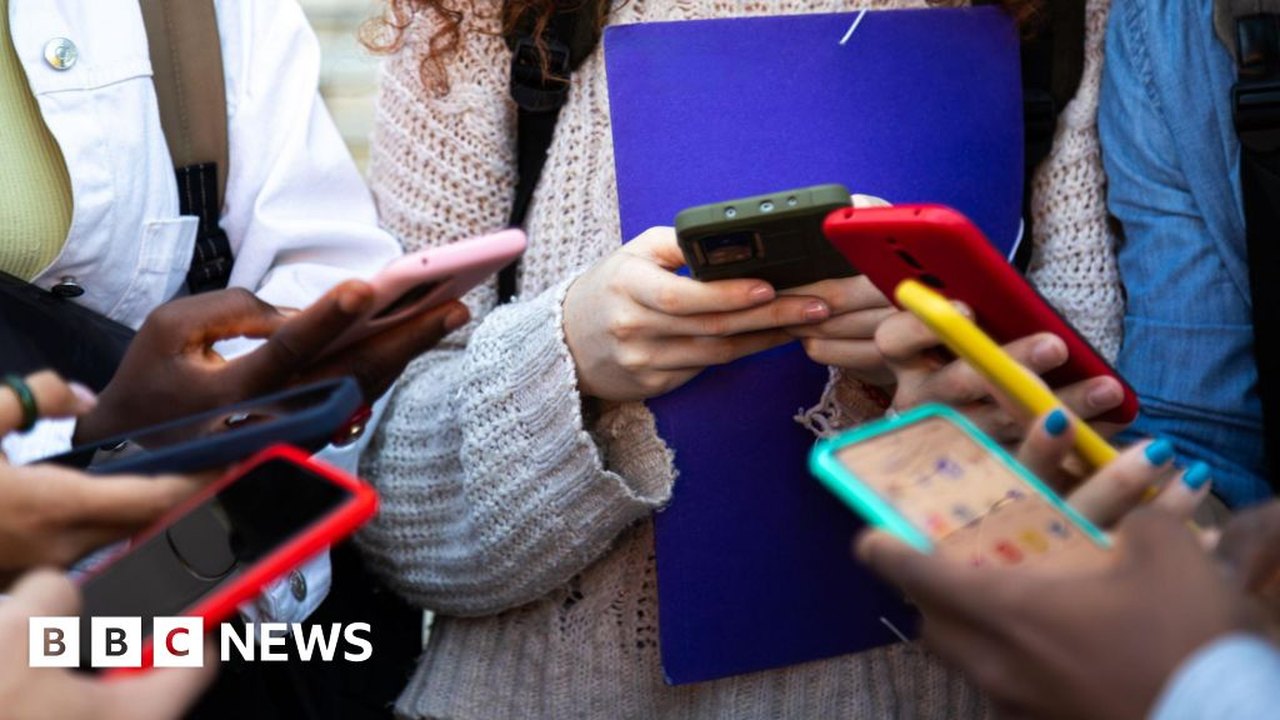
Image: www.bbc.com · Photo source · Resized and letterboxed to 16:9; no AI generation
Australia has introduced a pioneering social media ban prohibiting children under 16 from using major platforms. The legislation aims to curb the negative impacts of design features that encourage excessive screen time and expose young users to harmful content. According to a government-commissioned study from 2025, a vast majority of children aged 10 to 15 used social media, with many reporting exposure to cyberbullying, grooming behavior, and harmful material.
Covered Platforms and Criteria
The regulation currently covers ten major services:
- Facebook, Instagram, Threads, and X
- TikTok, Snapchat, and YouTube
- Reddit, alongside streaming services Kick and Twitch
Platforms are evaluated based on whether their primary purpose is online social interaction, if they allow user-to-user interaction, and if they permit users to post material. Notably, YouTube Kids, Google Classroom, and WhatsApp are excluded as they did not meet these criteria. Unregistered sites, online gaming platforms like Roblox and Discord, dating sites, and AI chatbots are currently outside the scope of the ban, drawing criticism from advocates.
Enforcement and Industry Response
Children and parents face no penalties for breaking the ban. Instead, tech companies face fines of up to A$49.5 million for serious or repeated breaches. Firms are required to take reasonable steps using age assurance technologies—such as government IDs, face or voice recognition, or age inference—while avoiding reliance on self-certification.
Social media companies expressed significant concern over implementation challenges, privacy risks, and potential data collection vulnerabilities. Meta began closing teen accounts, noting that verification could involve government IDs or video selfies, and reported blocking hundreds of thousands of accounts in the initial days. Other firms, including Snap, Reddit, and TikTok, stated they would comply while raising concerns about user privacy and free expression. Google and YouTube previously argued that restrictions could paradoxically leave children less safe by driving them to use platforms without accounts or safety filters.
Practical Implications and Verification
While the government maintains that strict data protection rules require age verification data to be subsequently destroyed, critics worry about data security given historical breaches. Some teens reportedly attempted workarounds, such as creating fake profiles or using alternative apps and VPNs, though download spikes for such workarounds later subsided. Internationally, countries including Denmark, Norway, France, Spain, and the UK are exploring or implementing varying forms of youth digital safety regulations. Readers can verify official guidelines and legislative details directly through Australian government announcements and regulatory portals.
AI-assisted reporting; source claims are attributed and have not been independently verified.
More to read
 UK Government Plans Ban on Social‑Media Access for Under‑16s, Targeting Spring 2027
 UK Announces Landmark Plans for Under-16s Social Media Ban and Online Restrictions
 Britain Announces Planned Social Media Ban for Under-16s
 UK Government Announces Planned Social Media Ban for Under-16s by Early 2027