British-Pakistani Woman Launches YouTube Channel to Raise Autism Awareness
· GlobeWire Daily Editorial Desk · Source: www.bbc.co.uk
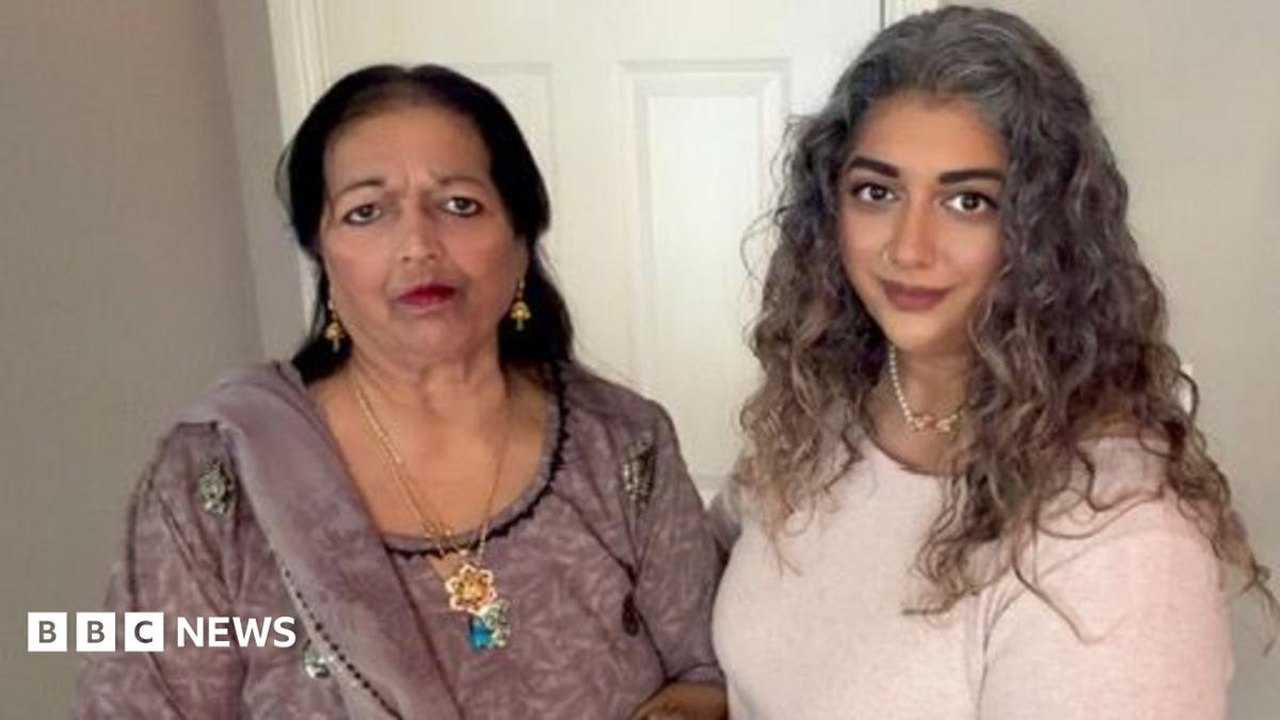
Image: BBC News · Photo source · Resized and letterboxed to 16:9; no AI generation
According to a report published by the BBC, a woman from Bradford, England, has launched a YouTube channel to help explain autism within the British-Asian community. Hina Shaikh, who was diagnosed as autistic at the age of 42, reported that she struggled to find online resources explaining autism in Urdu when she first received her diagnosis.
Seeking Understanding in the British-Asian Community
- Hina Shaikh set up her YouTube channel to engage with South Asian communities that she describes as reluctant to recognise autism.
- She noted that while educated younger generations are increasingly researching the condition, older generations often remain unfamiliar with it.
- Shaikh hopes to showcase that individuals can lead normal lives despite an autism diagnosis.
Diagnostic Journey and Background
Growing up in a British-Pakistani family in the 1980s and 1990s, Shaikh stated that her schooling took place during a period when mainstream schools often overlooked quiet, obedient children who achieved good grades. She eventually received her adult diagnosis after a customer, who worked as a social worker specialising in neurodiversity, suggested she might be autistic.
Following a referral and an NHS waiting list estimate, Shaikh ultimately paid for an assessment at a private clinic. Official figures from the Department of Health and Social Care indicate that autism-related special educational needs and disabilities in schools rose from 1.5% in 2016 to 3.3% in 2024. A government review in England published in October also highlighted an increase in young people being diagnosed with autism and ADHD, attributing the rise largely to previously undiagnosed cases.
Practical Implications and Verification
Those seeking to understand autism support networks or verify official health statistics can consult resources provided by the National Autistic Society and the UK Department of Health and Social Care. Viewers interested in Shaikh's initiative can search for her content on YouTube.
AI-assisted reporting; source claims are attributed and have not been independently verified.
More to read
 Hearst Canvas Launches Frontier Collective to Expand Digital-Native Content on YouTube
 YouTube Health Launches in Spain to Provide Verified Medical Information
 Meta Launches Content Fast Track Program to Recruit Creators from TikTok and YouTube
 Interactive 'GTA 5' Experience Launches as Playable YouTube Video