How Grassroots Protests and WhatsApp Fueled a Historic Comeback in Brazil's Election
· GlobeWire Daily Editorial Desk · Source: www.theguardian.com
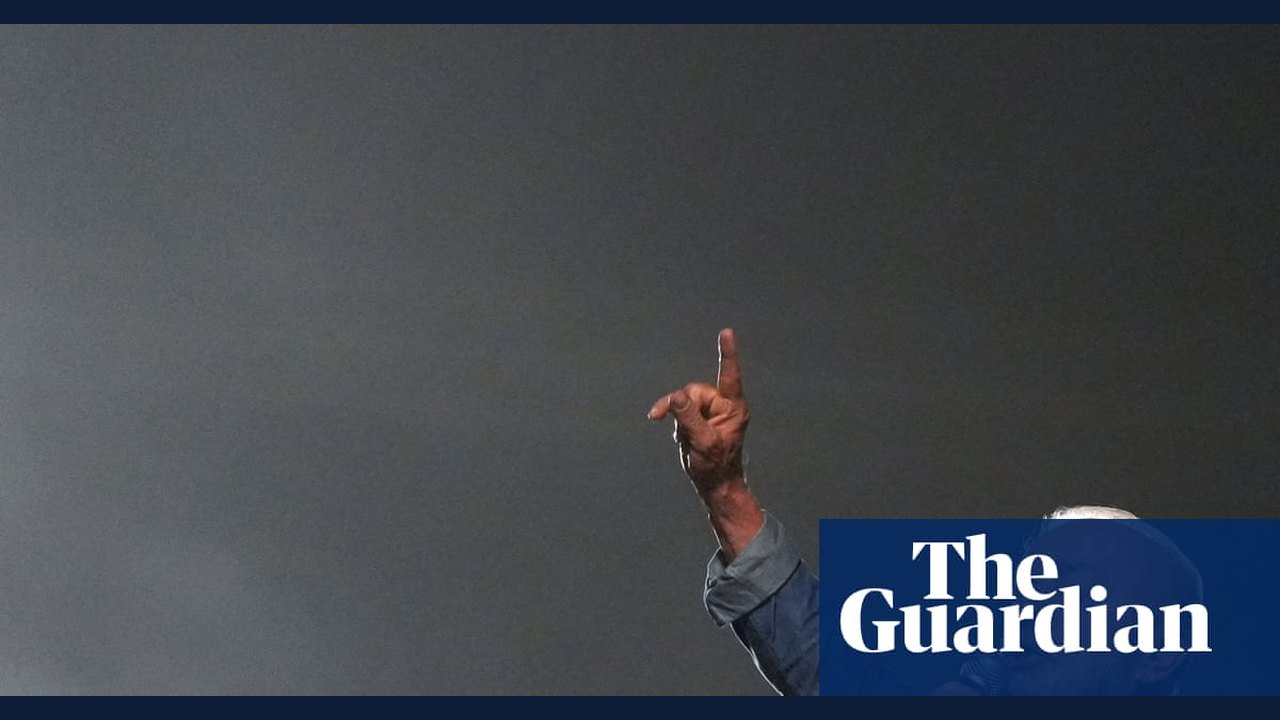
Image: the Guardian · Photo source · Resized and letterboxed to 16:9; no AI generation
Following a challenging first round in Brazil's presidential election, incumbent Luiz Inácio Lula da Silva secured a historic victory in the runoff, driven by student-led street protests and an extensive digital mobilization strategy.
The Turning Point on the Streets
After finishing second in the initial round, analysts widely anticipated a victory for the far-right challenger, Flávio Bolsonaro. However, the political landscape shifted when students from the Fluminense Federal University organized street protests in Niterói. These demonstrations quickly spread organically across the country.
Political analysts noted that these youth-led protests revitalized the campaign. Lula publicly acknowledged this support, stating in his victory speech:
- “I want to thank the generosity of Brazil’s young people who took to the streets to defend democracy.”
Digital Strategy and the WhatsApp 'Army'
Alongside street demonstrations, digital mobilization played a crucial role in shifting public momentum. A campaign-aligned lawmaker established a WhatsApp channel named “Lula’s Army,” which rapidly grew to millions of followers.
- Content Delivery: The channel distributed daily audio messages, videos, and instructions to help supporters boost pro-Lula content on social media.
- Digital Reach: Through coordinated online efforts and selfies recorded by Lula himself, the campaign's digital reach surpassed that of its competitor.
Political scientist Fábio Vasconcellos observed that the combination of active street presence, targeted social media coordination, and government benefit adjustments helped transform the mood of defeat into renewed hope.
Broad Voter Coalition and Future Implications
Political researchers pointed out that Lula's victory was also built on a broad rejection of the opponent's political project, addressing voter concerns regarding potential democratic rollbacks and economic policies. The campaign successfully mobilized voters who had abstained in the first round and convinced individuals who had previously supported other candidates.
Experts note that while the campaign successfully utilized modern digital tools and grassroots energy, the Brazilian left faces the ongoing challenge of leadership renewal as Lula serves his final term.
How to Verify and Learn More
Readers seeking to verify electoral outcomes and official policy announcements can consult official Brazilian electoral authority records (Tribunal Superior Eleitoral) or review comprehensive coverage from recognized international news organizations. Original reporting details and announcements can be reviewed directly via primary news archives.
AI-assisted reporting; source claims are attributed and have not been independently verified.
More to read
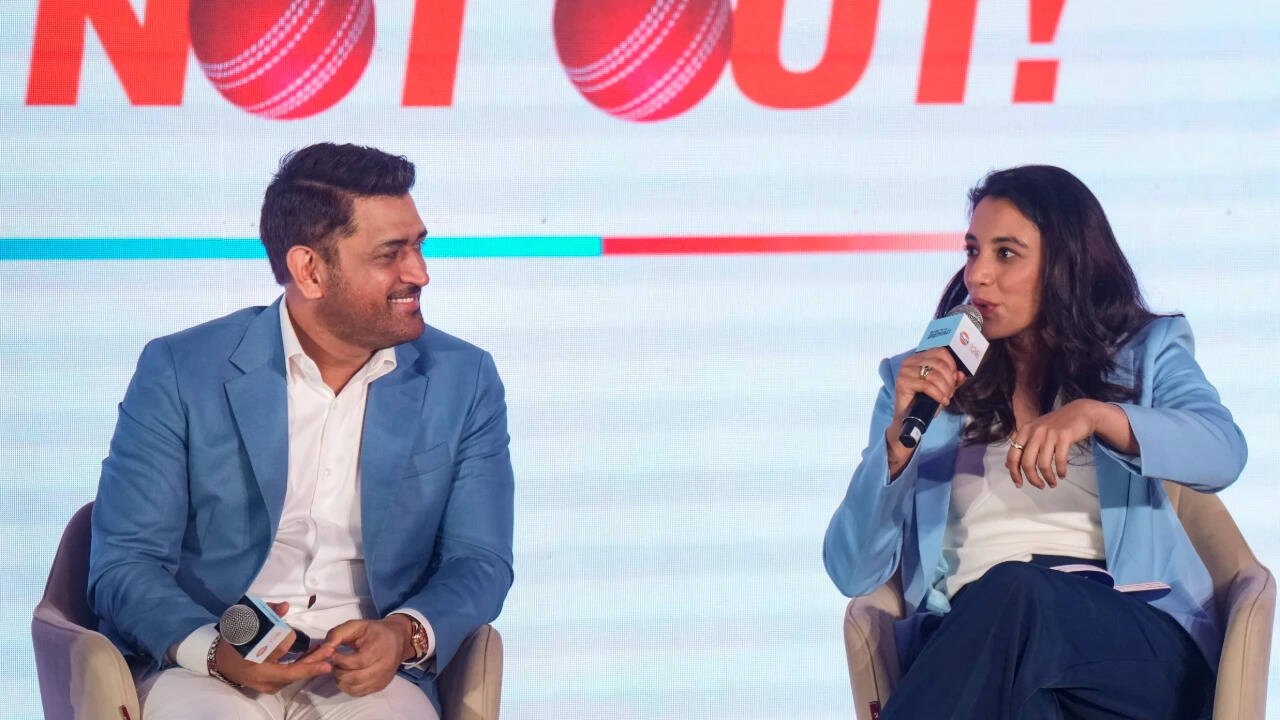 Smriti Mandhana Recalls MS Dhoni's WhatsApp Message After Historic World Cup Win
 Flávio Bolsonaro Arrives in Florida After Fleeing Brazil Following Election Defeat
 Lula’s Re-election: Impact on Brazil’s BRICS Strategy and Global Multipolarity
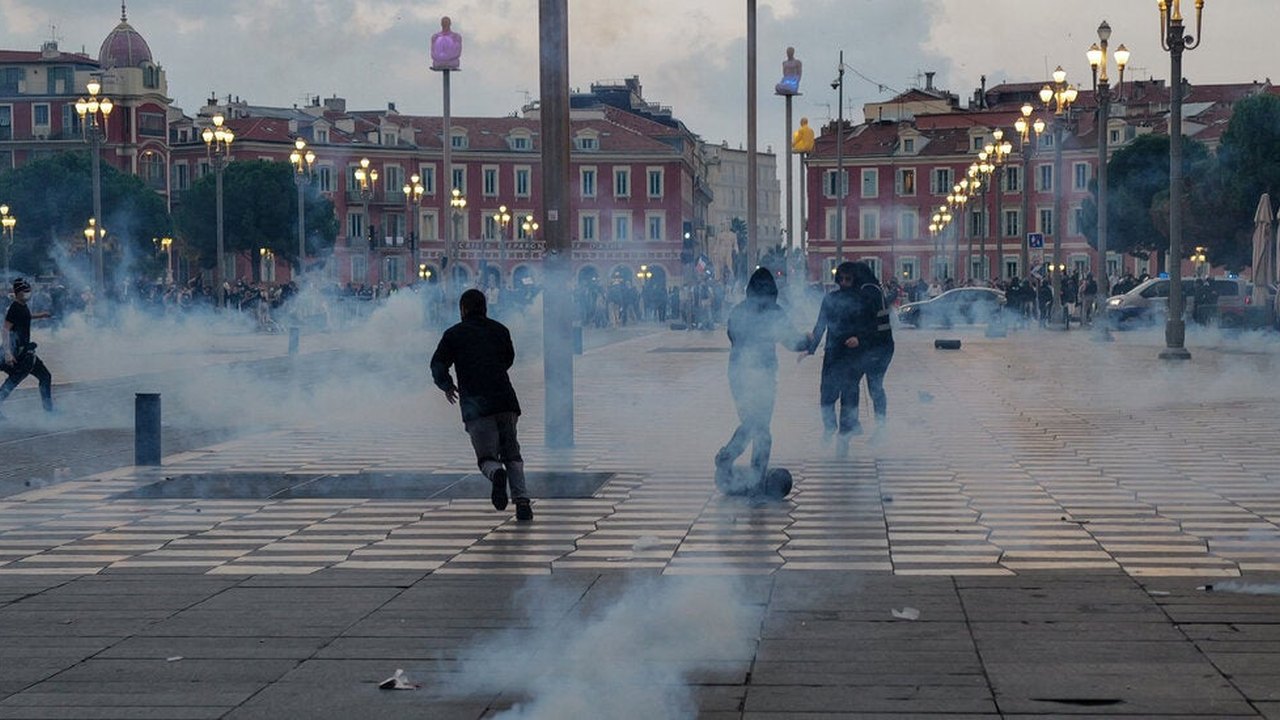 French Officials Scrutinize Social Media's Role Amid Nationwide Protests
Related coverage
Related reporting available at publication.
Smriti Mandhana Recalls MS Dhoni's WhatsApp Message After Historic World Cup WinFlávio Bolsonaro Arrives in Florida After Fleeing Brazil Following Election DefeatLula’s Re-election: Impact on Brazil’s BRICS Strategy and Global MultipolarityFrench Officials Scrutinize Social Media's Role Amid Nationwide Protests YouTube's Growing Role in Bridging Legacy Media and Digital Creators Discussed by Google Executive
 French President Emmanuel Macron Calls on YouTube to Finance Local Content and Warns of Cultural Model Pressures