Meta Agrees to $17 Billion Settlement with States Over Teen Safety Concerns
· GlobeWire Daily Editorial Desk · Source: www.pbs.org
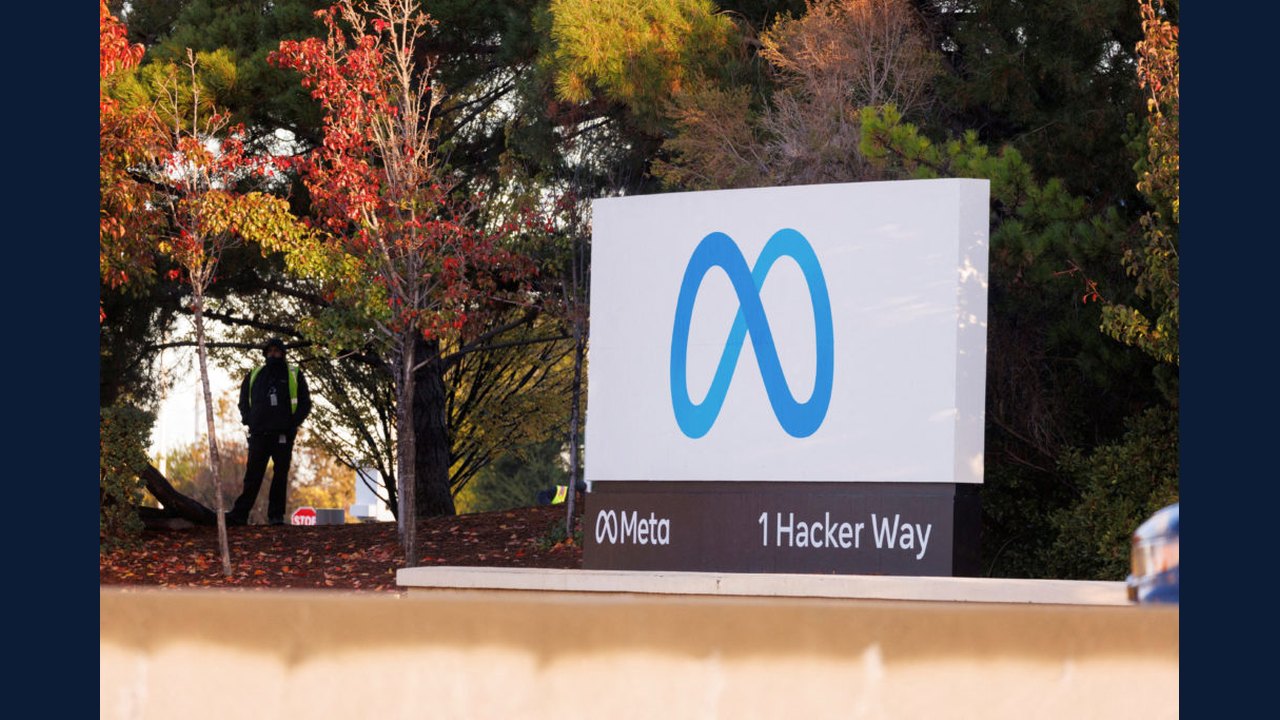
Image: PBS News · Photo source · Resized and letterboxed to 16:9; no AI generation
Meta has reached an agreement to pay $17 billion and implement significant child-safety upgrades to its Facebook and Instagram platforms to resolve a major lawsuit brought by 47 states. This settlement concludes a high-profile trial that focused on allegations that the company designed addictive features that harmed the mental health of younger users.
Settlement Details and Safety Measures
As part of the agreement, Meta has committed to the following platform changes:
- Usage Limits: Introduction of hard caps on daily time spent on platforms, including mandatory breaks.
- Notification Control: Disabling push notifications for minors during school hours.
- Content and Privacy: Enhanced age-assurance tools and stricter controls on content related to body image and self-harm.
- Parental Oversight: Improved user-friendly parental controls and restricted access to features that promote social comparison, such as visible like counts.
- Independent Oversight: An independent auditor will monitor the implementation and efficacy of these safety features.
Financial Structure
The $17 billion settlement is scheduled to be distributed over a 10-year period to fund youth online safety initiatives. A portion of this total—approximately $5.3 billion—is contingent upon competitors, specifically YouTube and TikTok, adopting similar safety standards and providing comparable financial contributions to the cause.
Legal Context
The lawsuit, initiated by a bipartisan coalition of attorneys general, argued that Meta prioritized platform engagement over child safety. While Meta defended its actions, stating it is committed to empowering families, the case brought significant scrutiny to the company’s internal design choices and data collection practices involving minors under 13. The settlement awaits final court approval to take effect.
AI-assisted reporting; source claims are attributed and have not been independently verified.
More to read
 Internal Meta Documents Reveal 'Project Gryffindor' Linked School Safety to Teen User Growth
 Meta Reaches Settlement With Second Teen Plaintiff in Social Media Addiction Lawsuit
 Waymo Pauses Nationwide Freeway Robotaxi Operations Amid Safety Concerns
 Road Safety Concerns Rise on Kushinagar Highways Ahead of Fog Season