Singapore Introduces Stricter Anti-Scam Rules for Social Media and Messaging Platforms
· GlobeWire Daily Editorial Desk · Source: www.straitstimes.com
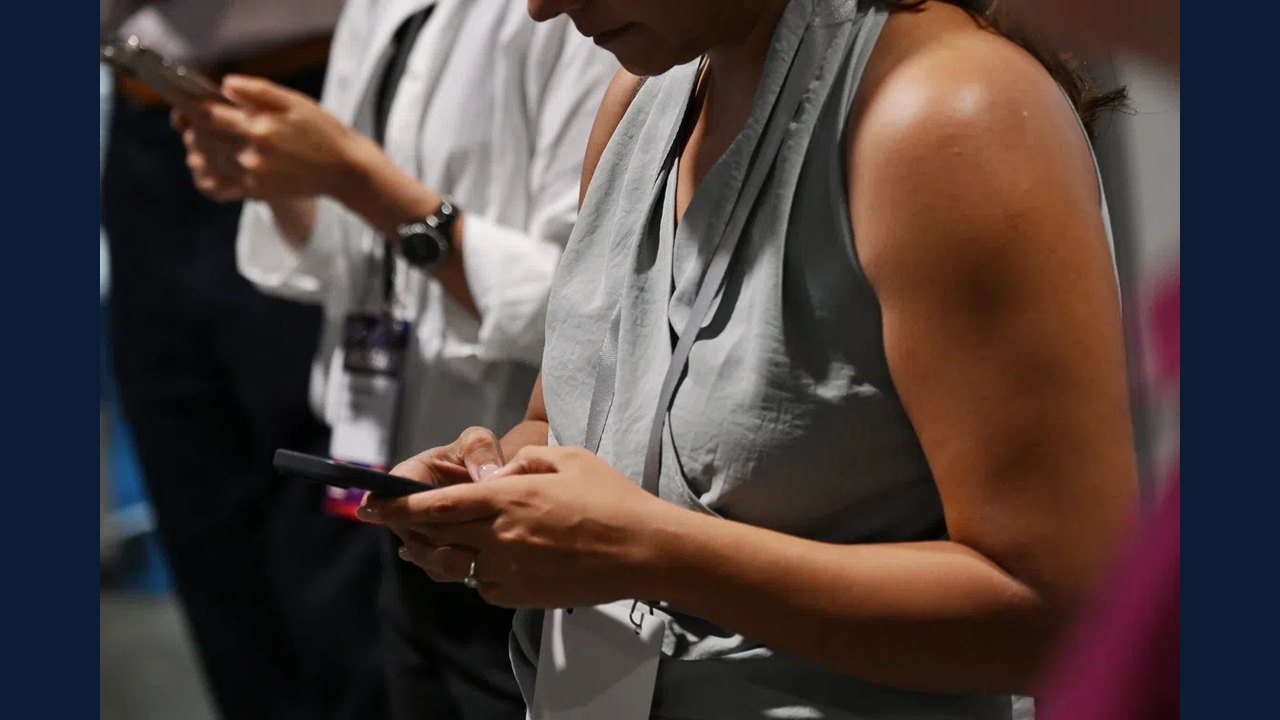
Image: The Straits Times · Photo source · Resized and letterboxed to 16:9; no AI generation
Singapore authorities have announced new Codes of Practice under the Online Criminal Harms Act, requiring major social media and messaging platforms to implement stringent anti-scam measures. These regulations aim to curb the high volume of investment scams and phishing attempts targeting users in the region.
Social Media Identity Verification
By January 31, 2027, Facebook, Instagram, and TikTok must verify the identities of their advertisers against government-issued records. The platforms are also required to:
- Block advertisements from unlicensed financial service providers.
- Prohibit the publication of scam-linked advertisements, including those using masked URLs.
- Rapidly remove reported or suspected scam content.
Messaging and Conferencing Safeguards
Messaging services such as WhatsApp, Telegram, WeChat, iMessage, and Google Meet must implement protective measures by January 31, 2027, to mitigate risks from unknown contacts. These include:
- Requiring user consent before being added to chat groups by unknown contacts.
- Providing warnings or context for messages from unknown accounts, such as account creation dates and origin countries.
- Giving users tools to filter, silence, or block contacts not in their address books.
Urgency and Compliance
To address the impersonation of government officials, messaging platforms must implement specific anti-spoofing measures by September 30, 2024. Failure to comply with these codes is a criminal offense under the Online Criminal Harms Act, carrying potential fines of up to $1 million, with additional daily fines for continued non-compliance after conviction. Authorities noted that this graduated rollout is intended to allow industry players sufficient time to adapt to the new regulatory requirements.
AI-assisted reporting; source claims are attributed and have not been independently verified.
More to read
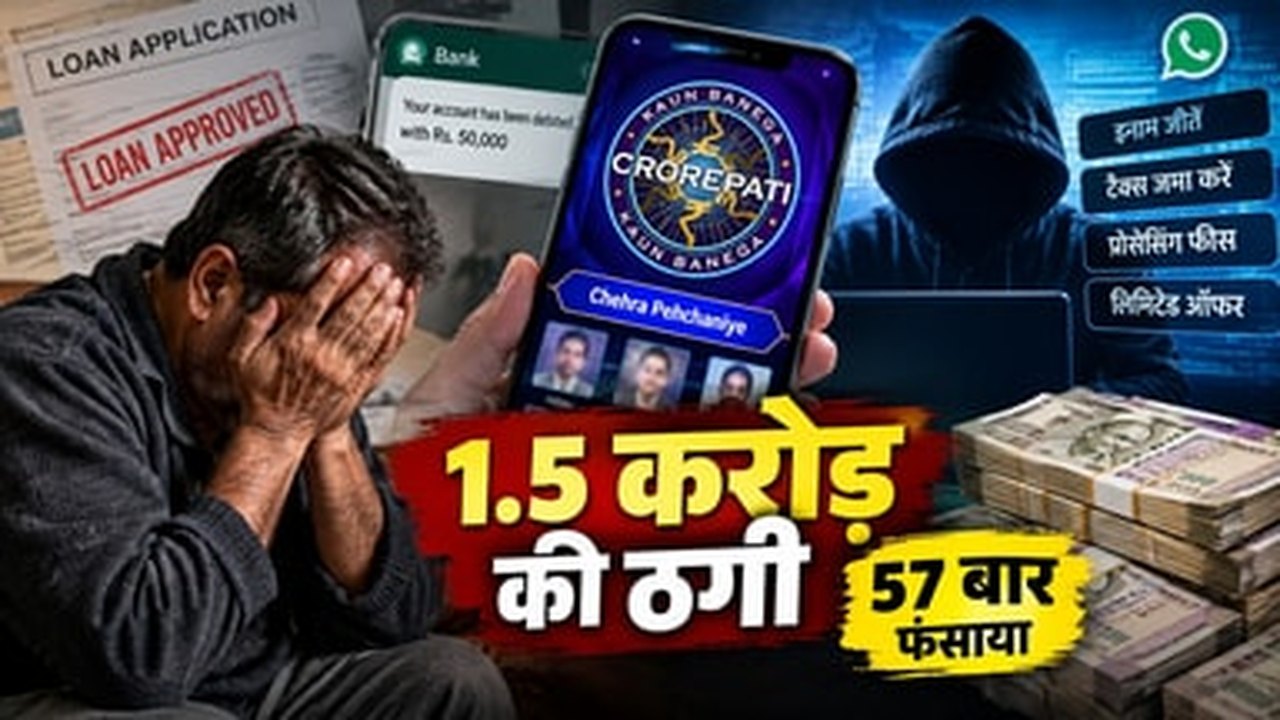 Man Loses Rs 1.5 Crore in KBC Social Media Scam in Uttarakhand's Rudraprayag
 James Gunn Updates Social Media Bio to 'Strictly Writer/Director' Following DC Studios Exit
 Bloomscrolling: The Positive Shift in Social Media Habits
 UK Government Plans Ban on Social‑Media Access for Under‑16s, Targeting Spring 2027