65 Years of Human Spaceflight at NASA Johnson: From Gemini to Artemis
· GlobeWire Daily Editorial Desk · Source: www.nasa.gov
Summary
NASA’s Johnson Space Center (JSC) in Houston marks 65 years of continuous human‑spaceflight heritage. The center has overseen Gemini rendezvous, Apollo lunar landings, Skylab repairs, the Space Shuttle fleet, the International Space Station, and now prepares crews for Artemis lunar missions.
Milestones
- 1961‑1965 – Birth of Johnson – The Manned Spacecraft Center opened on 1 Nov 1961. Early Gemini missions were run from temporary Houston facilities while the Clear Lake campus was built. The Mission Control Center became operational in June 1965 with Gemini IV, the first U.S. spacewalk.
- 1968‑1972 – Apollo Era – After the Apollo 1 fire, Johnson engineers redesigned the command module. Apollo 8’s 1968 circum‑lunar flight and Apollo 11’s July 1969 Moon landing were coordinated from Houston. Five more landings followed through Dec 1972.
- 1973‑1975 – Skylab & Apollo‑Soyuz – Engineers designed a sun‑shield in‑orbit to rescue Skylab after launch damage, demonstrating the value of on‑orbit repair. The 1975 Apollo‑Soyuz Test Project, the first U.S.–Soviet crewed docking, was rehearsed at JSC.
- 1981‑2011 – Space Shuttle – Formal shuttle approval came in 1972; the first launch (Columbia) occurred Apr 1981. Johnson built training simulators, upgraded Mission Control, and flew 135 missions before the program ended with STS‑135 in July 2011.
- 1998‑2024 – International Space Station – The first ISS element launched Nov 1998; crews have lived aboard continuously since 2 Nov 2000. To date 298 astronauts and cosmonauts from 26 nations have visited, conducting >4 000 experiments.
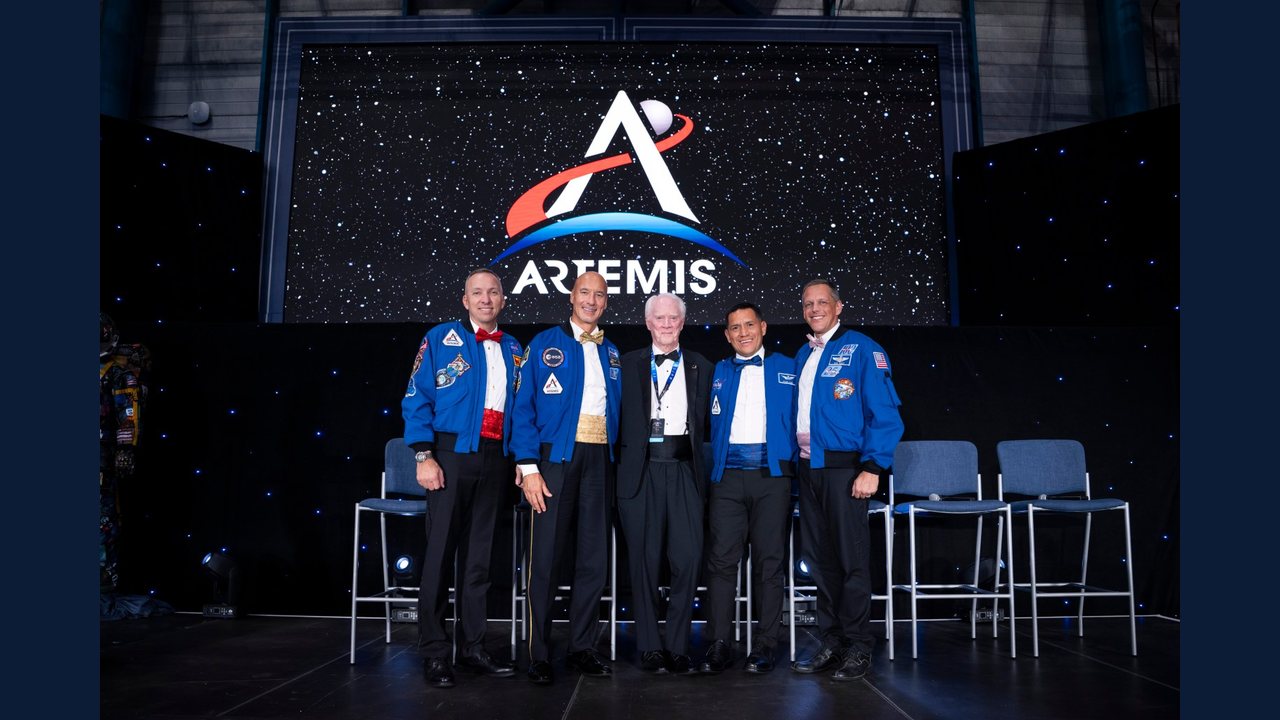
- 2022‑Present – Artemis & Moon Base – Artemis II (April 2024) completed a 10‑day crewed Orion flight around the Moon, proving deep‑space operations. Artemis III will test Orion‑landing‑system integration; Artemis IV aims for the first crewed lunar landing of the program. A phased Moon Base plan targets sustained presence at the South Pole.
Current Work at Johnson
- Orion & Moon Base programs – Engineering, crew training, and health research are centered at JSC.
- Human Research Program – Ongoing studies of micro‑gravity effects inform future Mars and lunar missions.
- Facilities – The Neutral Buoyancy Laboratory, Space Vehicle Mockup Facility, and Mission Control Center remain critical for astronaut preparation.
How to Verify
All milestones are documented in NASA’s public archives and press releases. The official JSC history page (https://www.nasa.gov/centers-and-facilities/johnson/65-years-of-human-spaceflight-at-nasa-johnson/) lists the dates and programs referenced above. Mission logs for Gemini, Apollo, Shuttle, ISS, and Artemis are searchable on NASA’s website and the NASA Technical Reports Server.
Practical Implications
- Crew safety – Lessons from Apollo 1, Challenger, and Columbia continue to shape design reviews for Orion.
- International cooperation – The ISS model provides a template for Artemis partnerships with commercial and foreign agencies.
- Technology transfer – Innovations in reusable launch systems, in‑orbit repair, and life‑support have spin‑offs in aviation, robotics, and medical research.
--- *This article synthesizes publicly available NASA information; no new interviews or unpublished data are used.*