NASA Selects Innovative Small Business Projects for Moon and Mars Exploration Funding
· GlobeWire Daily Editorial Desk · Source: www.nasa.gov
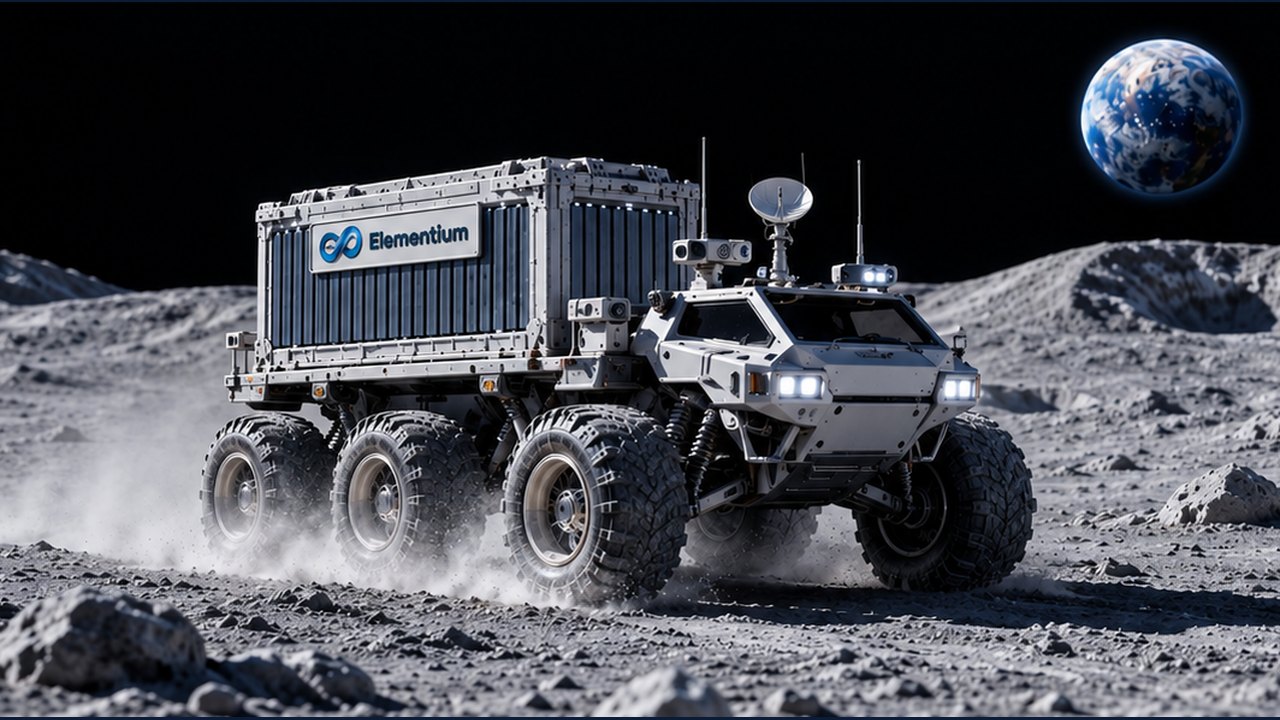
Image: NASA · Photo source · Resized and letterboxed to 16:9; no AI generation
NASA announced that its Small Business Innovation Research and Small Business Technology Transfer (SBIR/STTR) program selected 302 innovative projects, providing up to $171 million in seed funding. The initiative aims to address critical technology needs for future Artemis missions and the establishment of a U.S. Moon base, while supporting the domestic space economy.
According to NASA, the selected early-stage research and development projects cover various technological areas. These include advanced battery solutions, robotic systems capable of sensing extreme lunar environments, and tools designed to prepare for infrastructure construction such as landing pads.
Funding Structure and Award Phases
The SBIR/STTR program supports entrepreneurs, startups, and small businesses through multiple phases to advance and commercialize space technologies:
- Phase I Contracts: A portion of the selected projects will receive up to $225,000 each to establish the merit and feasibility of their proposed innovations. This includes STTR awards given to small businesses collaborating with research institutions.
- Phase II Awards: Comprising 98 contracts valued at up to $1.3 million each, these awards continue work initiated in previous project cycles, targeting the demonstration and delivery of innovative technologies.
Examples of Selected Research Projects
The recent selections include several distinct technological developments aimed at addressing surface exploration challenges:
- Modular Solar Arrays: Opterus Research and Development Inc. received an SBIR Phase II award to develop rollable, modular solar arrays designed to bring power to the surfaces of the Moon and Mars. Scalable up to 50 kilowatts, these arrays can be handled robotically and function in dusty conditions.
- Vision and Tactile Sensing Robotic Arms: Intelligent Fiber Optic Systems Corporation secured an SBIR Phase I award for a 10-foot extendable robotic arm combining a camera and sensors to detect surface textures, contact forces, and temperature, aiming to automate complex lunar tasks.
- Cold-Friendly Batteries: Elementium Materials Inc. was selected for an SBIR Phase I award to develop ultra-cold-tolerant battery modules capable of operating down to minus 76 degrees Fahrenheit without active heating, potentially surviving the 14-day lunar night.
- Lunar Landing Pad Preparation: A collaboration between Slate Geotechnical Consultants Inc. and the Colorado School of Mines received an STTR Phase I award to evaluate approaches for preparing lunar regolith to create reusable landing pads and prevent spacecraft damage from flying debris.
Practical Implications and Verification
These early-stage investments are intended to mature technologies that may eventually be integrated into NASA missions or commercial space applications. Complete lists of selected proposals and additional program details can be verified directly through the official NASA SBIR/STTR program website, managed by NASA's Ames Research Center.
AI-assisted reporting; source claims are attributed and have not been independently verified.
More to read
 NASA’s Webb Telescope Detects New Small Moon Orbiting Uranus
 NASA Awards New Contracts for Moon Base Transportation, Technology, and Science Projects
 NASA's Curiosity Mars Rover Captures Drifting Twilight Clouds
 NASA Conducts RS-25 Engine Test to Support Future Artemis Moon Missions