Why the 'Blaze Star' T Coronae Borealis Nova Has Not Erupted Yet and What Experts Expect
· GlobeWire Daily Editorial Desk · Source: www.space.com
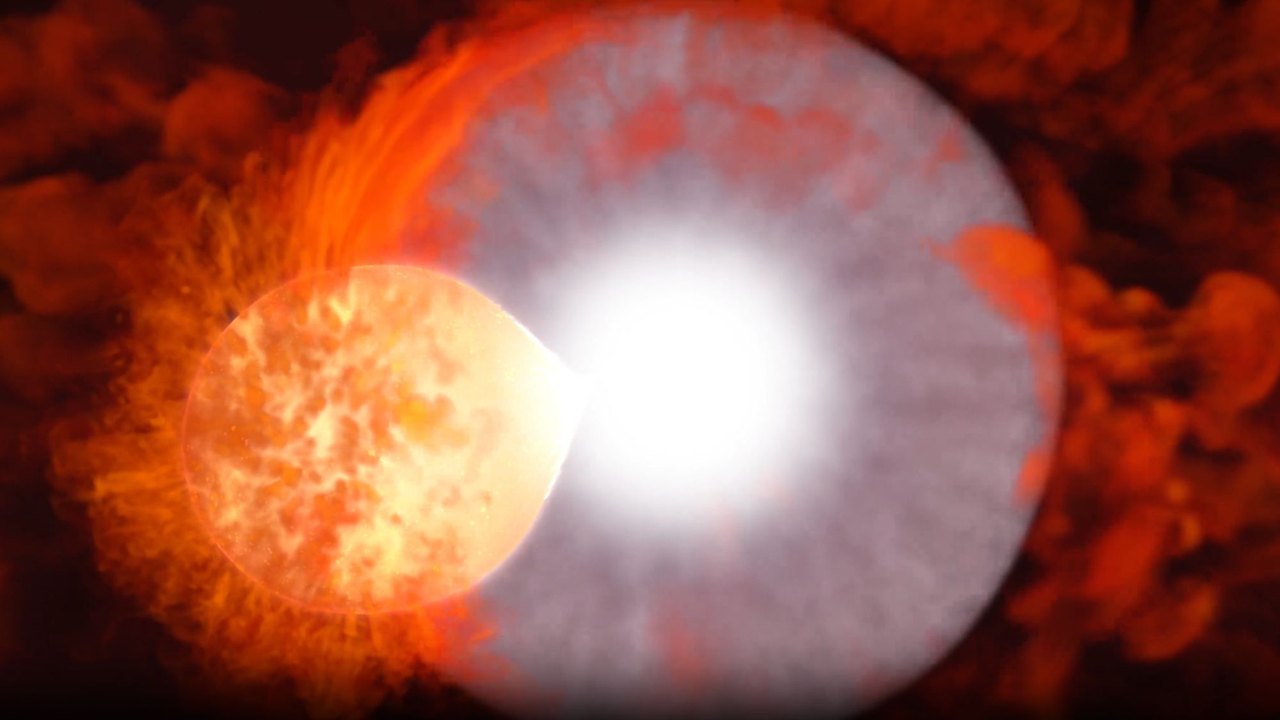
Image: Space · Photo source · Resized and letterboxed to 16:9; no AI generation
Astronomers and stargazers are awaiting the anticipated nova explosion of the binary star system T Coronae Borealis, commonly known as the "Blaze Star". While experts confirm that an eruption is expected due to the system's roughly 80-year cycle, the exact timing remains uncertain because researchers cannot precisely measure the accumulation rate of gas on the white dwarf's surface or the exact trigger mass required.
According to reports citing experts from Louisiana State University and NASA, the binary system consists of a dense white dwarf and a red giant. The white dwarf steadily strips material from its companion until it reaches a critical threshold, resulting in a dramatic brightening.
Understanding the Delay
- Uncertain Mass Transfer: Scientists cannot precisely measure the exact rate at which gas falls onto the white dwarf.
- Trigger Threshold: The exact amount of mass needed to trigger the nuclear runaway remains difficult to calculate with high accuracy.
- Historical Context: The last visible nova eruption reached Earth in 1946, placing the system within a logical timeframe for another event, though exact dates cannot be guaranteed.
What to Expect When T CrB Erupts
Experts note that there will be no visual warning before the light reaches Earth, though an early X-ray flash could occur.
- Visibility Spike: The star is expected to jump from a normal magnitude of +10 to roughly +1.7, briefly appearing brighter than Polaris.
- Duration: The peak will happen in less than a day, and the star will fall below naked-eye visibility within a couple of days.
- Extended Observation: While visible light fades quickly, multi-wavelength emissions in radio, X-rays, and gamma rays may remain detectable for months or years.
How to Verify and Follow
Amateur astronomers continue to monitor T Coronae Borealis closely. When the brightening occurs, automated alerts are expected to spread globally within minutes, prompting professional and amateur observatories to activate pre-prepared observation programs. Observers can check updates through reputable astronomical institutions and sky-monitoring networks to verify any official announcements of the outburst.
AI-assisted reporting; source claims are attributed and have not been independently verified.
More to read
 Jamie Dornan Has Not Spoken Directly to Viggo Mortensen About Aragorn Role in 'Lord of the Rings: The Hunt for Gollum'
 Why Your Apple Pie Has a Soggy Base and How Baking Experts Recommend Fixing It
 Bob Dylan Debuts Reimagined 'Not Dark Yet' Live After Seven Years in Dusseldorf
 Amazon CEO Andy Jassy Says Third-Party AI Shopping Assistants 'Not Great' Yet