Chair Skills and Rugby Brain: How Finlay O'Neill Adapted to Wheelchair Rugby League
· GlobeWire Daily Sports Desk · Source: www.bbc.co.uk
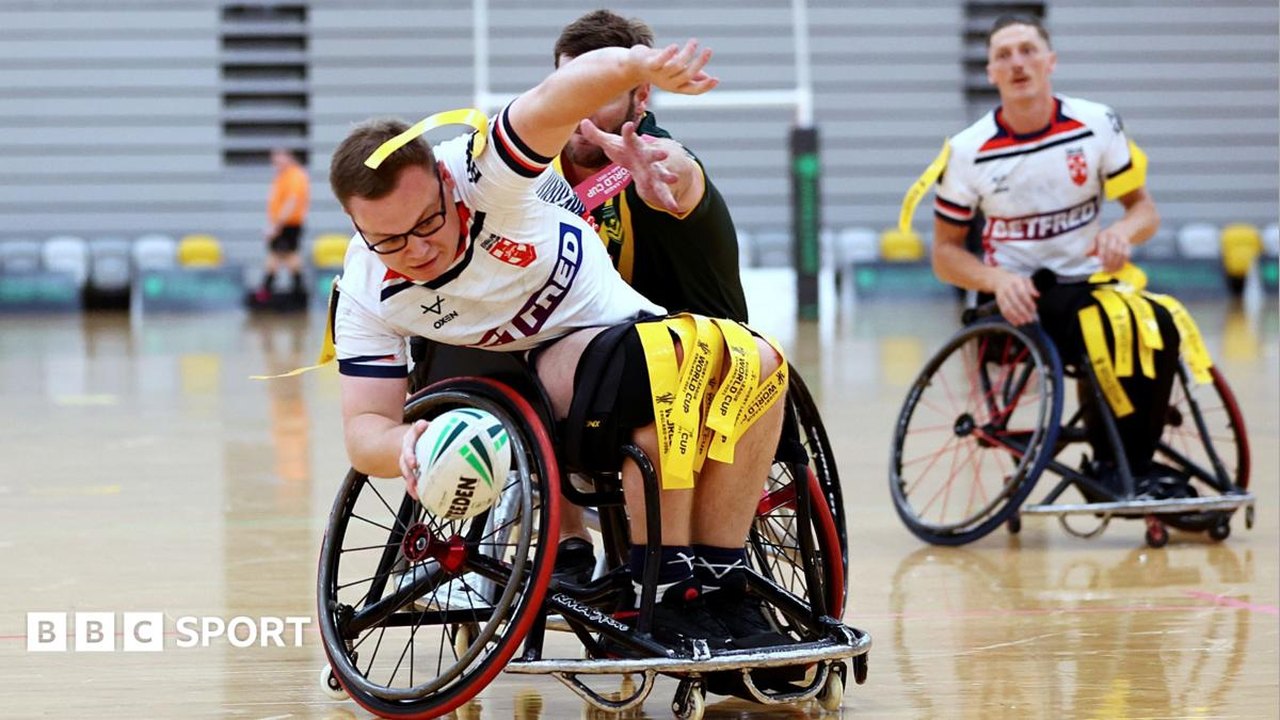
Image: BBC Sport · Photo source · Resized and letterboxed to 16:9; no AI generation
Finlay O'Neill's journey into wheelchair rugby league represents a significant transition from the running game after facing medical challenges that initially appeared to end his sporting aspirations.
Overcoming Early Setbacks
At the age of 16, O'Neill dislocated his knee while playing rugby league. What initially seemed like a routine sporting injury persisted, causing ongoing pain and mobility issues on and off the field. Following medical examinations, he was diagnosed with hypermobility and shallow kneecaps, halting his traditional playing career.
Encouraged by his family, the Halifax teenager transitioned to wheelchair rugby league with the Halifax Panthers. Over a three-year period, he developed the specialized coordination required for the sport.
Adapting to the Wheelchair Game
While O'Neill possessed the strategic understanding and passing skills from the running game, mastering chair control presented an initial challenge since he does not use a wheelchair in daily life.
- Dual Focus: Players must simultaneously navigate the chair, catch, pass, and anticipate the next play.
- Pace: Transitioning to the Super League level required adapting to the speed of experienced competitors through intensive practice.
- Playmaking: Operating primarily as a playmaker, O'Neill developed an instinctive on-field connection with Halifax and England team-mates Jack Brown and Rob Hawkins.
International Recognition and World Cup Aspirations
O'Neill earned his first international call-up for England in August 2025, subsequently playing in the Ashes series in Australia. He was named in coach Tom Coyd's 10-player squad for the World Cup in Australia alongside domestic treble-winning club colleagues.
England's campaign opens against Wales, followed by matches against the USA and Ireland in their pool. The squad aims to defend the title previously won in 2022.
Understanding Wheelchair Rugby League
Developed in France, wheelchair rugby league is an inclusive sport accommodating both disabled and non-disabled participants on the same team.
- Rules and Gameplay: Played with an oval ball over an 80-minute duration, teams of five have six tackles to score. Tackling involves removing a tag from the opponent's shirt.
- Distinction: The code differs significantly from Paralympic wheelchair rugby (murderball), which uses a round ball, features full-contact collisions, and follows a quarter-based structure.
Verification of tournament schedules and original team announcements can be conducted via official Rugby Football League or BBC Sport channels.
AI-assisted reporting; source claims are attributed and have not been independently verified.
More to read
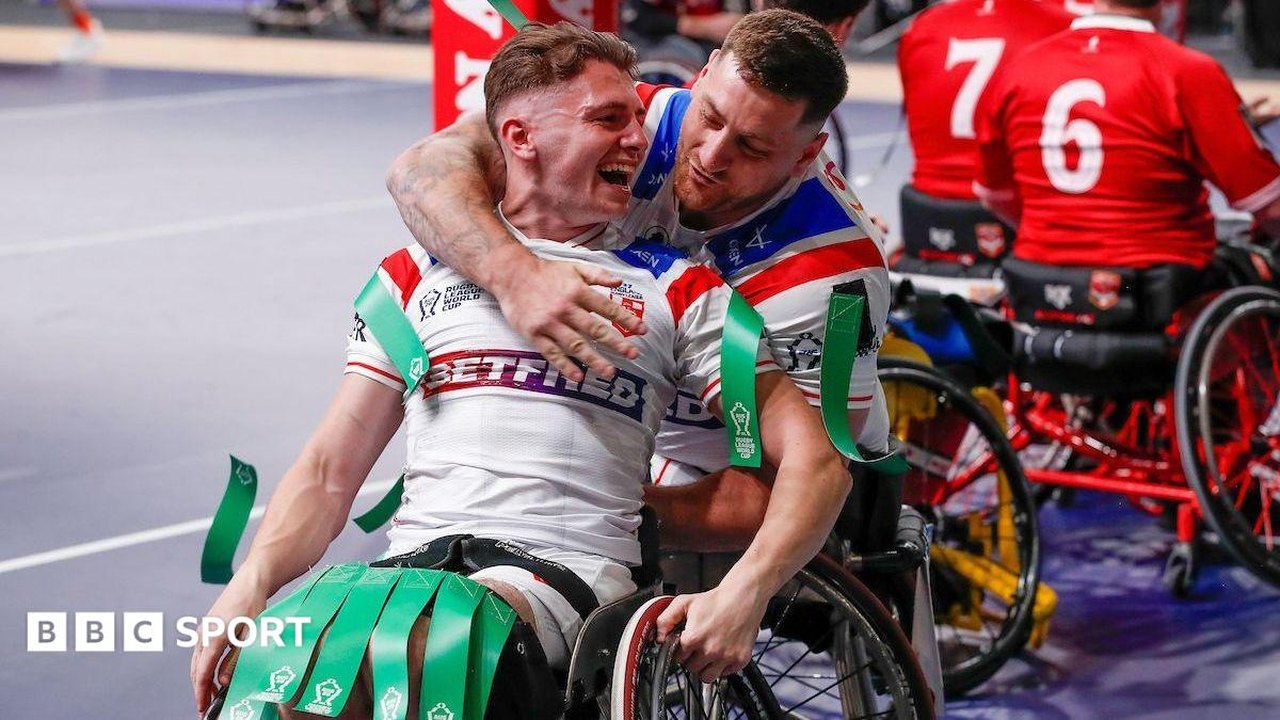 England Begin Wheelchair Rugby League World Cup Defence with Convincing Win Over Wales
 Australia Sets International Rugby League Scoring Records in World Cup Match Against Wales
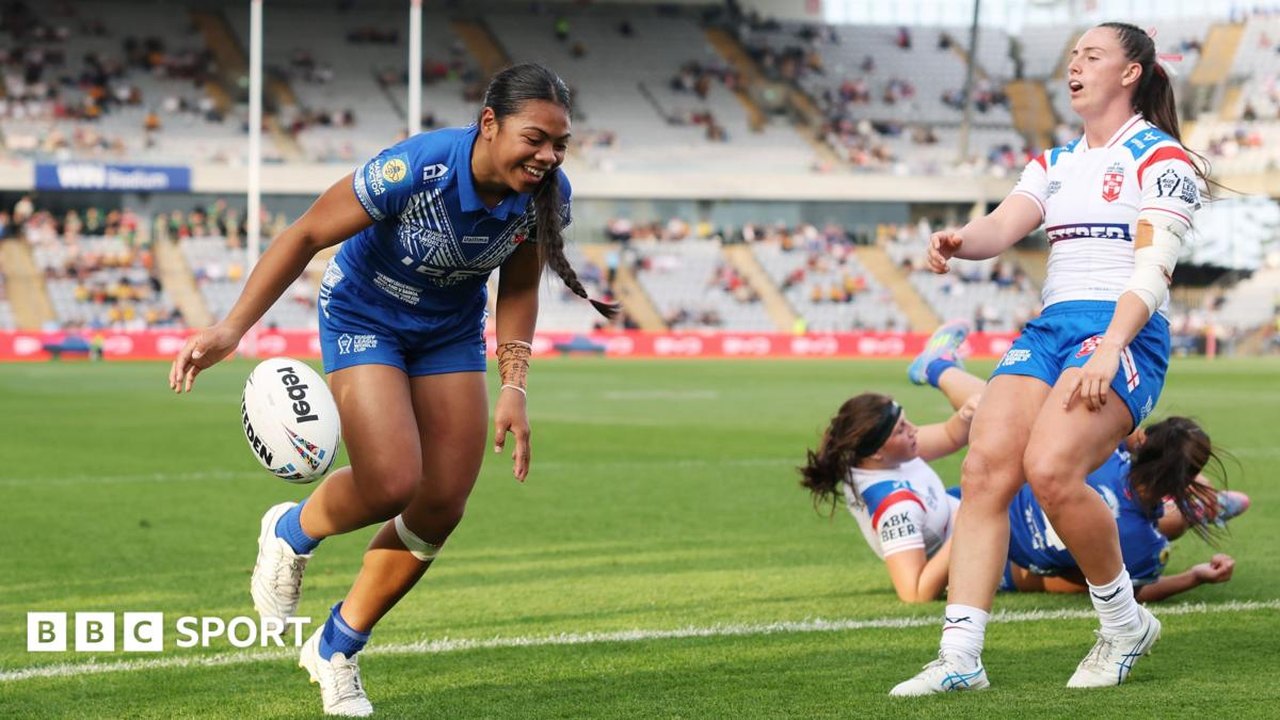 England Women Bow Out of Rugby League World Cup 2026 After Samoa Defeat
 Why the Women’s Rugby League World Cup Is a One‑Sided Contest – and What Needs to Change
Related coverage
Related reporting available at publication.
England Begin Wheelchair Rugby League World Cup Defence with Convincing Win Over WalesAustralia Sets International Rugby League Scoring Records in World Cup Match Against WalesEngland Women Bow Out of Rugby League World Cup 2026 After Samoa DefeatWhy the Women’s Rugby League World Cup Is a One‑Sided Contest – and What Needs to Change Police Recover Three Drums of Buried Cash in Prayagraj Raid
 Michael Carrick Faces Hard Truths as Manchester United Seek Turnaround