Why Teenage Girls Stop Playing Sport: Insights from Scotland
· GlobeWire Daily Editorial Desk · Source: www.bbc.co.uk
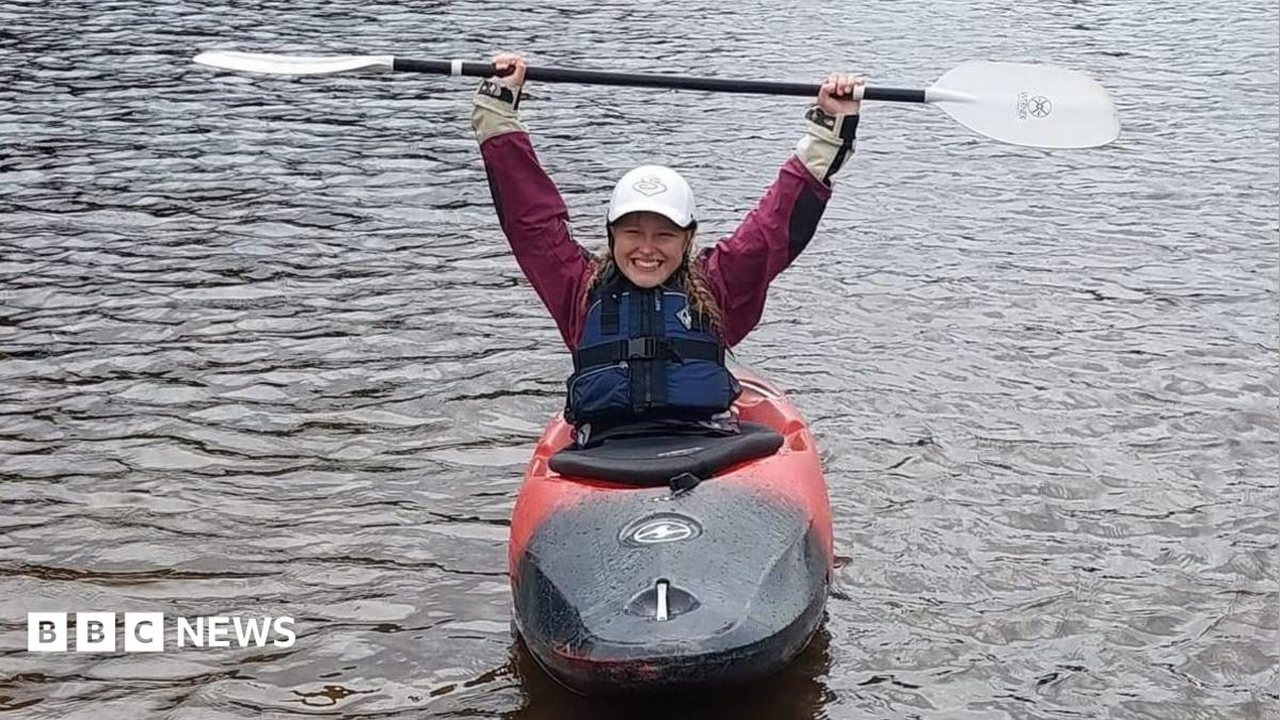
Reports and personal accounts from Scotland highlight the social pressures, changing-room anxieties, and limited activity choices that contribute to teenage girls dropping out of sports. According to available data and individual experiences, several factors influence participation levels among adolescent girls.
Key Factors Impacting Participation
- Social Environment and Bullying: Some teenagers report feeling judged by peers during physical education (PE) classes, leading to self-consciousness and anxiety.
- Changing-Room Anxieties: Concerns regarding privacy and fear of negative peer judgment have caused some students to avoid standard changing facilities.
- Activity Preferences: Discrepancies between the sports offered and the interests of female students, such as restricted access to certain team games, can reduce engagement.
- Gender Stereotypes: Social pressures to conform to perceived norms have occasionally discouraged girls from pursuing sports viewed by peers as masculine.
Educator Perspectives and Ongoing Efforts
Educators and advocacy figures, including PE teachers and youth leaders, note that addressing these challenges requires creating supportive, inclusive environments. Efforts include offering broader activity choices, challenging restrictive gender attitudes, and building positive relationships between staff and students to encourage continuous participation.
Practical Implications and Verification
Readers interested in the broader context can consult the annual Scottish Health Survey or official publications from Scottish educational bodies for statistical data on physical activity trends among young people.
More to read
 Dandy Town Hornets Prepare for Crucial PHC Zebras Clash
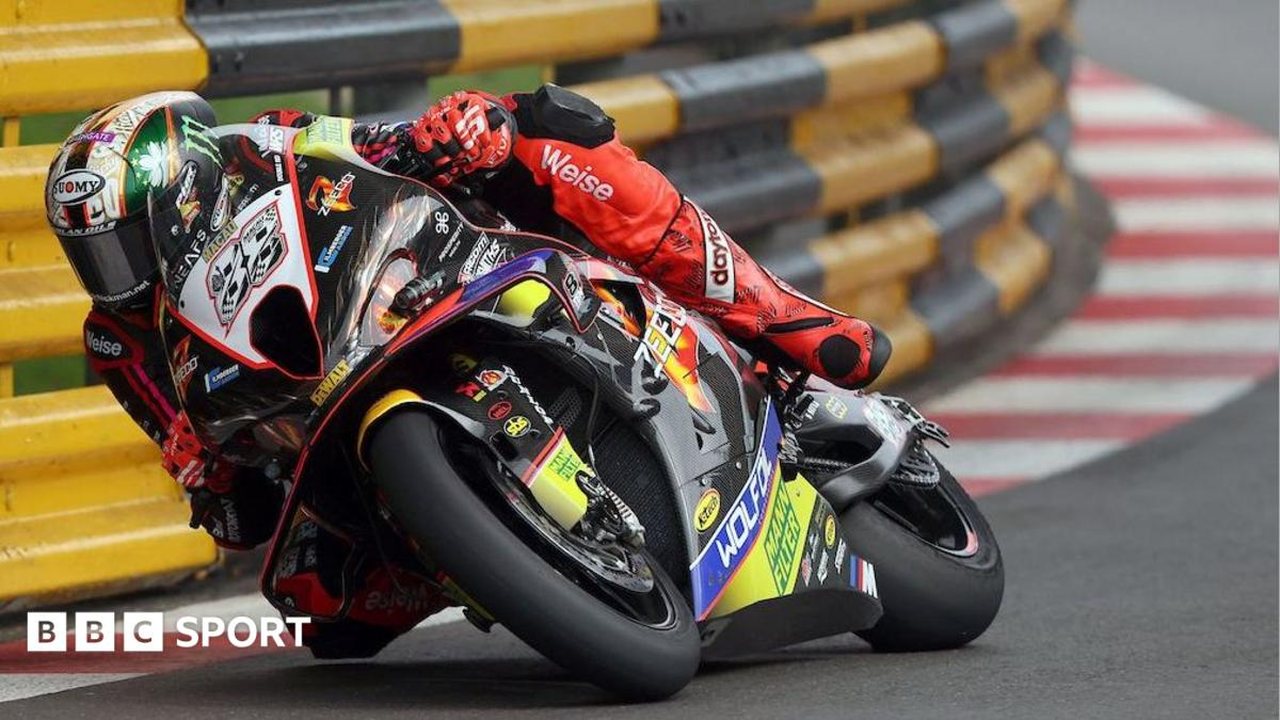 Peter Hickman Smashes 16-Year-Old Lap Record to Claim Fifth Macau Grand Prix Victory
 ATP Finals Semi-Finals Preview: Carlos Alcaraz Prepares to Face Ben Shelton in Turin
 Constitution Hill Targets Kempton Flat Outing as Weekend Racing Faces Ground Challenges