Technology
FBI: North Korean Hackers Used Deepfake Video Calls to Steal Over $400 Million in Crypto
· GlobeWire Daily Editorial Desk · Source: thehackernews.com
Summary
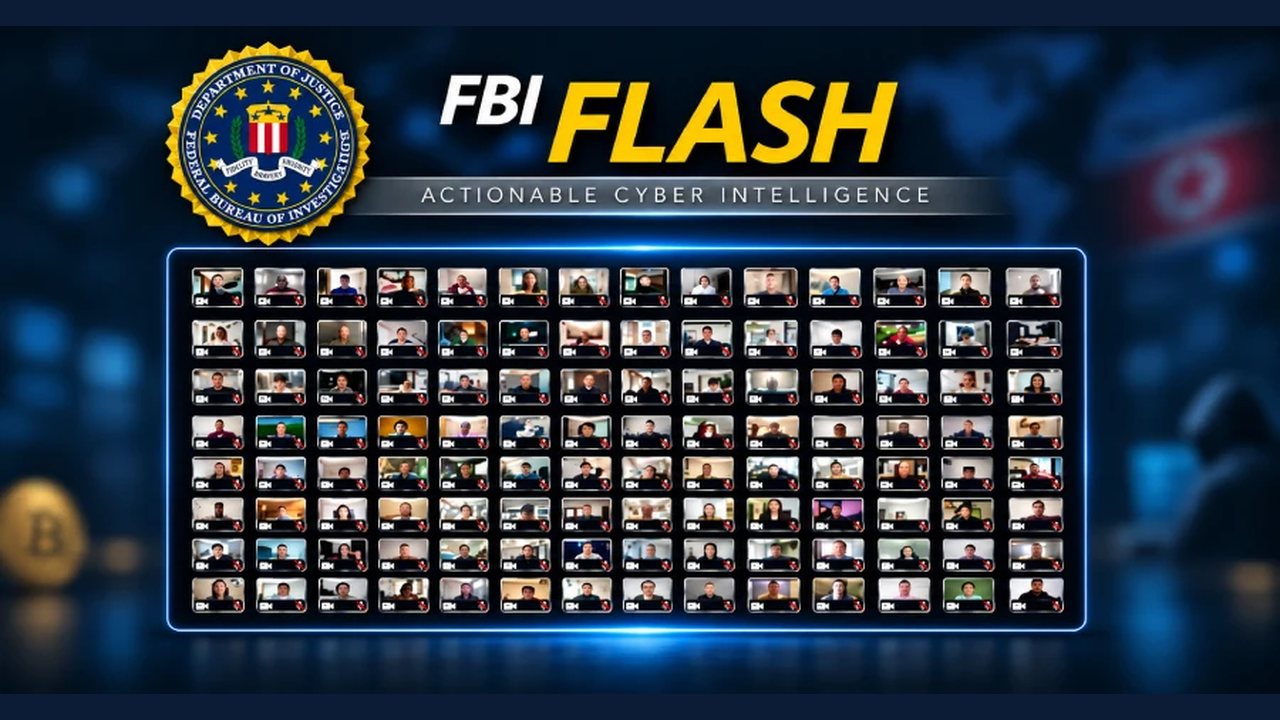
The U.S. Federal Bureau of Investigation has confirmed that a North‑Korean‑linked threat group, identified as BlueNoroff (also known as APT38, CryptoCore, etc.), stole more than $400 million in cryptocurrency over the past 18 months. The scheme, dubbed FaceStealer, relied on deep‑fake video calls and other social‑engineering tricks to trick victims in the crypto and Web3 sectors.
How the Attack Worked
- Fake video‑meeting invites were sent from compromised accounts of previous victims. The invite looked like a legitimate Zoom or Microsoft Teams call.
- When the target joined, the attacker streamed a recorded or AI‑generated deep‑fake video of a trusted contact, creating the illusion of a real meeting.
- A few seconds in, the victim was told there was a technical problem (e.g., audio not working) and was given a malicious link that installed malware (a “ClickFix‑style” lure).
- The malware harvested wallet seed phrases, private keys, and other credentials, then used the victim’s own Telegram, LinkedIn, Slack, or Discord accounts to spread the lure to their contacts.
- The cycle repeated, allowing the actors to compromise hundreds of individuals, many of whom are CEOs, founders, or developers with access to high‑value crypto assets.
Official Responses
- The FBI seized the cloud‑based infrastructure that hosted the campaign and more than 900 video recordings used for impersonation.
- The U.S. Department of Justice announced a court‑authorized seizure of $1.2 billion in crypto linked to a separate North‑Korean operation that hacked the Binance exchange.
- Both agencies stress that the stolen funds are believed to fund Pyongyang’s illicit weapons programs.
Scope and Impact
- Arctic Wolf’s April 2026 report identified over 400 victims in 20+ countries, with 80 % operating in crypto‑finance or related investment roles.
- A joint advisory from Japan, the U.S., Australia and Germany estimates the campaign has compromised at least 30 000 devices in 100 countries.
- The operation also targeted open‑source maintainers, exemplified by the compromise of the Axios npm package earlier this year.
Practical Steps for Protection
- Treat every video‑call link with suspicion – verify the sender through an independent channel before joining.
- Never click “update” links sent during a call; obtain software updates directly from the vendor’s website.
- Isolate any code or scripts received from recruiters or interview assignments in a disposable virtual machine.
- Monitor account activity on Telegram, LinkedIn, Slack, and Discord for unexpected messages or meeting invites.
- Enable multi‑factor authentication on all crypto wallets and exchange accounts.
Verifying the Announcement
- The FBI press release (available on the agency’s official website) and the DOJ seizure notice contain the same figures cited here.
- Independent security firms such as Arctic Wolf, JUMPSEC and JFrog have published detailed analyses that corroborate the deep‑fake video‑call technique.
--- *The information above reflects confirmed statements from U.S. law‑enforcement and publicly released security research. No unverified numbers or speculative claims are included.*
Share this article
Read the original source FBI Says North Korean Hackers Stole Over $400 Million in Crypto Using Deepfake Video Calls
More to read
 Nederland Board Faces Legal and Financial Hurdles Over $1.9 Million Budget Deficit Linked to Eldora Ski Mountain Pursuit
 Blind Cricket Asia Cup 2026 Final Controversy: CABI Questions Umpire Neutrality Over Celebration Video
 Over 1.7 Million Youths Trained Under UP Skill Development Mission: CM Yogi
 FBI and USDA Reportedly Hacked Amid Growing Concerns Over US Government Cyber Incidents