From Pocket Synth to Portable Studio: Exploring Custom Firmware and Community Projects for the M-Vave FM-1
· GlobeWire Daily Tech Desk · Source: arstechnica.com
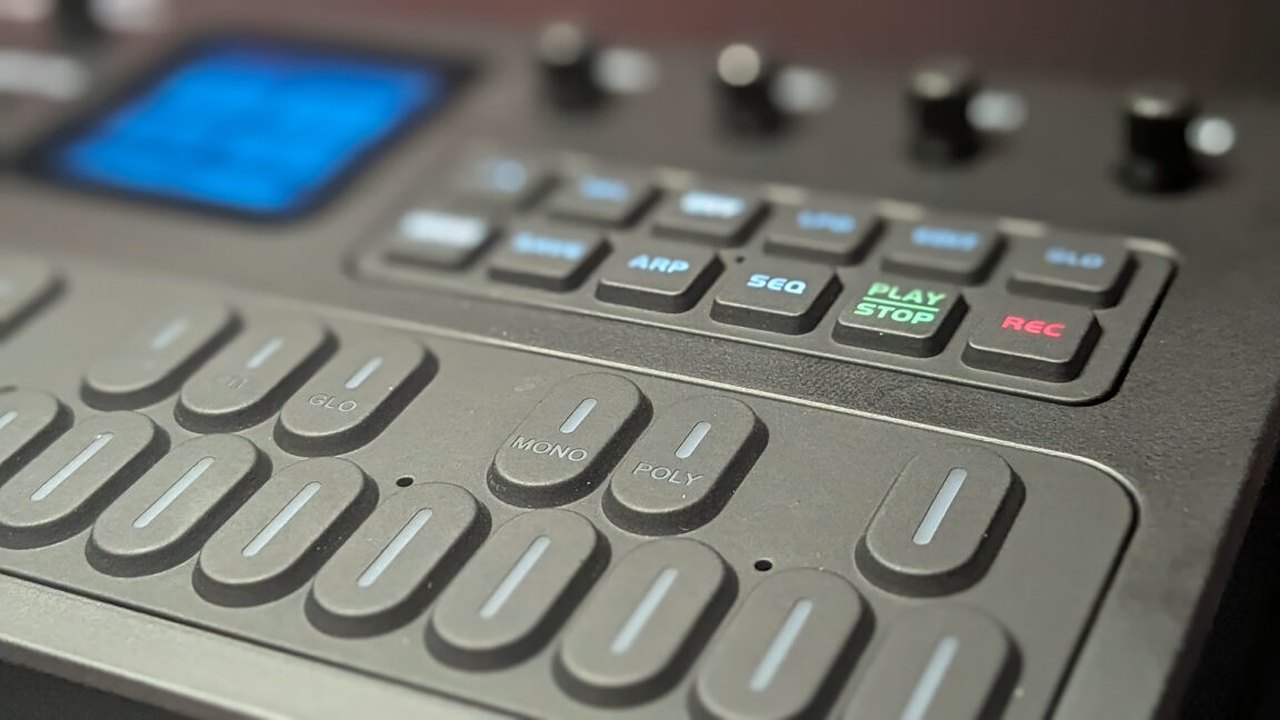
Image: Ars Technica · Photo source · Resized and letterboxed to 16:9; no AI generation
The M-Vave FM-1 is an affordable frequency-modulation synthesizer that has attracted significant attention from hobbyists and developers interested in expanding its capabilities through custom firmware.
Initially released as a low-cost pocket synthesizer, the device features 27 physical piano keys and a 1.54-inch TFT display. While the underlying synth engine remains closed-source, M-Vave announced FM 1 Open, providing an SDK, a browser-based workbench, and stock firmware version 15 as an open platform to encourage community development.
Community Firmware and Custom Projects
Tinkers on online forums have reverse-engineered the device's stock firmware, leading to a growing ecosystem of community-developed projects that transform the synthesizer into a versatile multi-instrument platform.
- Melodee: Offers emulation layers inspired by classic hardware, including a Casio CZ-1 style phase distortion engine and a Commodore 64 SID sound chip emulator.
- Felucca: Acts as a foundation for multi-engine synth projects, allowing independent instruments to run simultaneously alongside a built-in sampler and multi-track sequencer.
- SLOOP: Functions as a groovebox solution, turning the hardware into an eight-track, battery-powered beat maker suited for live performance.
- Doom Ports: Community developers have even adapted playable versions of the classic game to run on the hardware's small display.
Practical Implications and Risks of Flashing
While customizing the device opens up new possibilities, modifying firmware involves specific technical risks that users should consider.
- Single Flash Bank: The JieLi chip stores firmware in a single flash bank, meaning an interrupted update can leave the device in a difficult-to-recover state.
- Data Loss: Flashing custom firmware wipes all saved projects and settings, requiring users to back up data beforehand.
- Firmware Version Requirements: Community guides recommend updating to stock version 15 before attempting to install custom packages to avoid compatibility errors.
- Browser Compatibility: Installation tools rely on WebUSB and Web MIDI, requiring Chromium-based web browsers.
Users interested in verifying original announcements or exploring custom packages can consult M-Vave’s official product pages, developer documentation, and community repositories such as GitHub and Reddit's synth-building boards.
AI-assisted reporting; source claims are attributed and have not been independently verified.
More to read
 Harman Kardon Onyx Studio 8 Portable Speaker Spotted on Sale for $99.99 Ahead of Black Friday
 Exploring Community and Social Services Openings in San Antonio
 Exploring Call of Duty: Black Ops Features, Gameplay, and Community Perspectives
 Exploring Projects and Tools Built with libghostty Ecosystem