Fusion Startups Secure Government Awards — But Must Give Up Equity
· GlobeWire Daily Tech Desk · Source: techcrunch.com
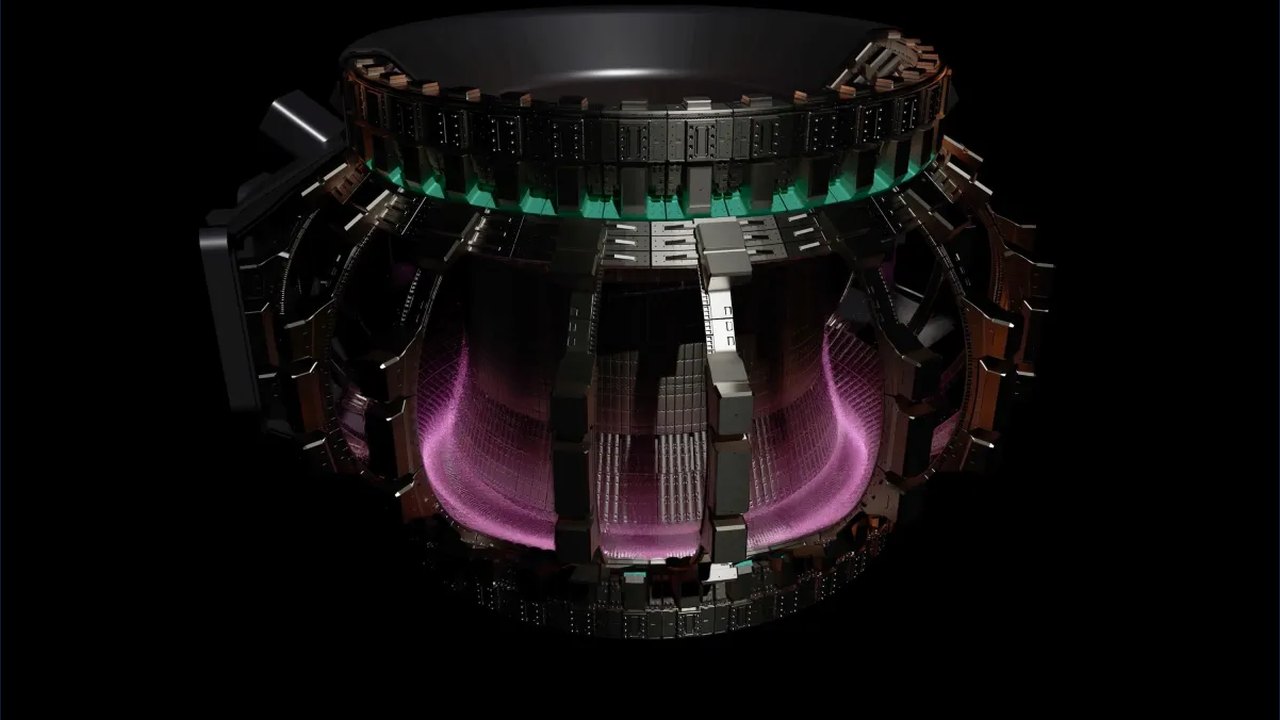
Image: Tim De Chant · Photo source · Resized and letterboxed to 16:9; no AI generation
Recent awards totaling $260 million from the U.S. Department of Commerce under the CHIPS and Science Act have gone to fusion startups Helion and Commonwealth Fusion Systems (CFS). While the funding aims to support advanced semiconductors for reactor power and control, the grants come with a notable condition: both companies agreed to provide the government with nonvoting equity shares.
Helion received $175 million, which translates to roughly a 1% stake based on its Series G valuation of $15.5 billion. CFS secured $85 million, though the exact size of the government's nonvoting stake remains unknown because the company has not publicly shared its latest valuation.
Changing Dynamics in Federal Funding
Historically, U.S. government support for startups involved nondilutive capital—money that increases a company's war chest without shrinking existing investors' ownership. However, recent federal investments, including deals with critical minerals suppliers and other technology companies, have increasingly involved equity stakes.
- Helion's Deal: Received $175 million in exchange for a nonvoting stake valued at roughly 1%.
- CFS's Deal: Received $85 million for a nonvoting stake; the precise equity percentage has not been disclosed publicly.
- Broader Precedents: Similar equity-for-funding structures have appeared in recent investments involving companies like MP Materials, USA Rare Earth, and Intel.
Industry Reactions and Practical Implications
Executives from both Helion and CFS defended the arrangement, stating that equity stakes align the interests of taxpayers with commercial success. Meanwhile, representatives for other fusion startups, such as Thea Energy, Avalanche Energy, and Inertia Enterprises, confirmed they have not given the government equity for their awards or partnerships.
While private investors have poured more than $14 billion into the fusion sector, developers note that billions more will be required to achieve commercial viability. The introduction of equity requirements in federal funding adds a new layer of complexity for venture capitalists evaluating dilution risks and cap table management during future funding rounds.
Readers looking to verify these developments can review official announcements from the U.S. Department of Commerce or statements issued directly by Helion and Commonwealth Fusion Systems.
AI-assisted reporting; source claims are attributed and have not been independently verified.
More to read
 Plaid Cymru Seeks Deal to Secure Its First Welsh Government Budget Amid Funding Pressures
 Ex-Agniveer Recruitment 2026: Over 250 Former Agniveers Secure Direct Government Jobs in Coastal Police Without Exam and Physical Test
 Nagaland Government Announces Initiatives for HR Database and Science & Technology Awards
 Tamil Nadu Government Awards ₹392 Crore Tender to Provide Free Bicycles to Over 5 Lakh Students