NASA Selects 19 New Citizen Science and Education Proposals for 2026
· GlobeWire Daily Tech Desk · Source: science.nasa.gov
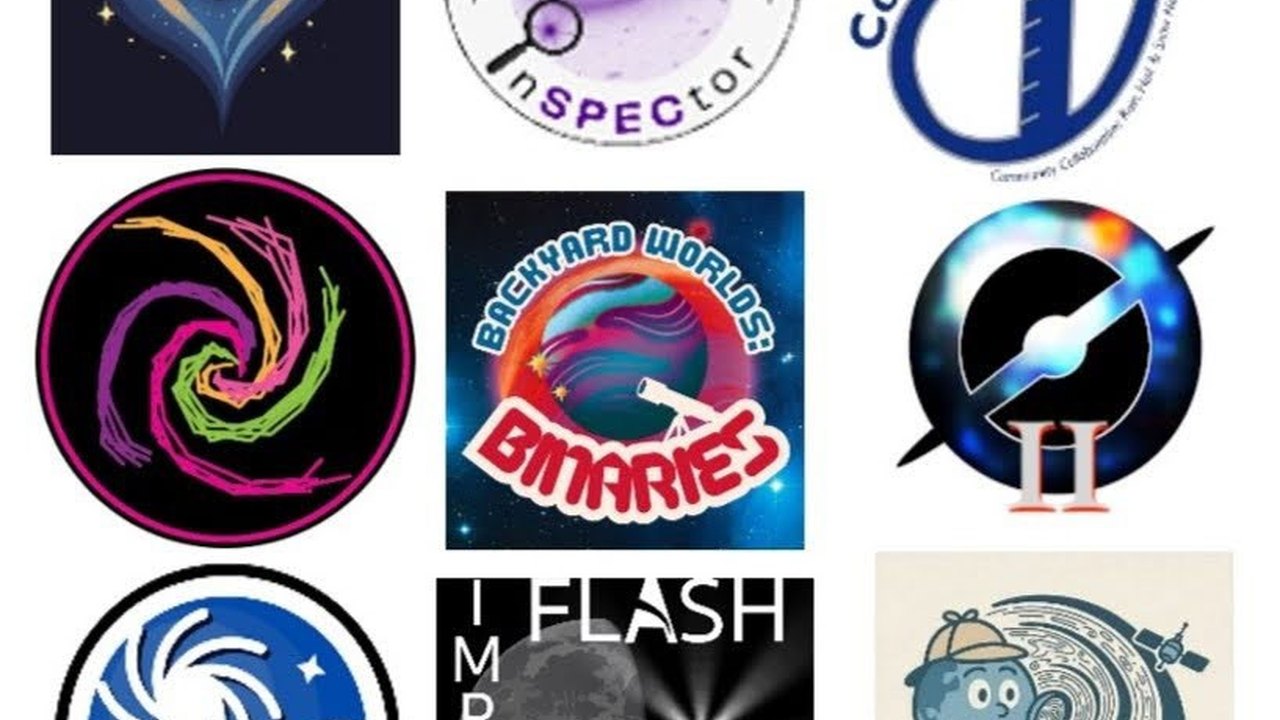
Image: science.nasa.gov — Creative Commons
NASA’s Science Mission Directorate has announced the selection of 19 new proposals for 2026, aimed at expanding opportunities for the public to participate in active space and Earth science research. The selections span two main initiatives: the Citizen Science Seed Funding Program (CSSFP-25) and the Science Activation Program (SciAct).
These additions arrive following recent milestones for NASA volunteer programs, including the Backyard Worlds: Planet 9 project volunteers discovering the majority of known brown dwarfs, and the Zooniverse platform surpassing one billion total classifications with support from NASA grants. The newly selected projects will incorporate various data sources, machine-learning applications, and community-based monitoring efforts.
Expanding Space and Astrophysical Exploration
Twelve projects were selected under the Citizen Science Seed Funding Program, which supports experts in developing citizen science frameworks. Several initiatives focus on astrophysics and planetary science:
- The Rogue Worlds Project: Led by Jacqueline Faherty of the American Museum of Natural History, this project invites volunteers to search data from NASA's SPHEREx mission to locate free-floating planets and brown dwarfs.
- Planet Hunters Roman: Led by Bernard Gaudi of the Ohio State University, this initiative engages participants in spotting exoplanets using data from the Nancy Grace Roman Space Telescope by observing how planetary gravity bends starlight.
- Overlap Zoo: Led by Benne Holwerda of the University of Louisville, this live project asks participants to spot and characterize overlapping galaxy pairs to help astronomers measure cosmic dust and galaxy transparency.
- Small Body Discovery and Outburst Monitoring: Led by Ariel Graykowski at the SETI Institute, this project leverages a global network of amateur astronomers equipped with small-aperture telescopes to conduct follow-up observations of comets and near-Earth asteroids.
Heliophysics and Earth Science Initiatives
Several selected proposals focus on monitoring space weather, the Earth's magnetosphere, and environmental systems:
- Space Weather UnderGround: Led by Hyunju Connor at NASA’s Goddard Space /Flight Center, this project deploys a low-cost magnetometer array in Alaska for citizens to help monitor subtle disturbances in Earth's magnetosphere.
- IMPACT: Led by Muhammad Fraz Bashir at the University of California, Los Angeles, volunteers will match patterns between satellite particle measurements and ground-based radio observations to study space weather disruptions.
- ARK (Antarctic Resilience and Knowledge): Led by Sharon Stammerjohn at the University of Colorado, Boulder, this initiative invites the public to analyze high-resolution satellite imagery to monitor habitat changes affecting Antarctic wildlife, including penguins and seals.
Education and Community Science Teams
Seven teams were selected under the Science Activation Program to connect learners with authentic research:
- Growing Beyond Earth: Led by Carl Lewis at Fairchild Tropical Botanic Garden, this project equips middle- and high-school classrooms to run crop growth experiments for potential space food.
- Sungrazer 2.0: Led by MaryKay Severino (ARISA Lab) and Karl Battams (Naval Research Laboratory), this project invites new audiences to search for comets in images from the SOHO and STEREO missions.
- Discovering the SPARC: Led by Nathaniel Frissell of the University of Scranton, this project engages amateur radio operators and high schools in studying Earth's ionosphere.
Practical Implications and Verification
Readers interested in participating in these projects or verifying details of the announcement can access official program information directly through NASA's portal.
- What is confirmed: NASA's Science Mission Directorate has officially selected 19 specific proposals covering astrophysics, heliophysics, Earth science, and educational outreach for 2026 funding.
- What remains variable: Individual project launch dates, specific technical interfaces, and exact participation workflows roll out independently as each Principal Investigator implements their funded proposal.
- How to check: Review the full list of awarded institutions, principal investigators, and project summaries at the official [NASA Citizen Science Portal](https://science.nasa.gov/get-involved/citizen-science/nasa-selects-19-new-citizen-science-proposals-in-2026/).
AI-assisted reporting; source claims are attributed and have not been independently verified.
More to read
 Apple's Touchscreen MacBook Pro: How the Integrated Sensor Works and Why It Matters
 Acer Swift Air 14 Review: An Affordable, Highly Portable Ultrabook Option
 Google and XREAL Launch XREAL AURA: First Android XR Wired Glasses Powered by Gemini
 GitHub Universe 2026 Announces Agentic Software Delivery System and Copilot Updates
Trending on GlobeWire Daily
Selected from recent coverage and related topics; not live search rankings.
 Overview of Military and Protective Services Openings in the Des Moines Area
 Navigating Free Sample Promotions and Trial Offers Across India: What Consumers Should Know
 Exploring the Landscape of Fantasy Cricket Apps and Platforms in India
 NABARD Opens Grade A Officer Recruitment 2025 for 91 Vacancies: What Applicants Need to Know
 Intelligence Bureau Opens Applications for ACIO II Tech Recruitment 2025: What Engineers Need to Know
 Western Railway RRC Announces Apprentice Trainee Recruitment for 2026