Ookla Report Ranks US Cities Among the Weakest Globally for Indoor Mobile Signals
· GlobeWire Daily Tech Desk · Source: www.androidauthority.com
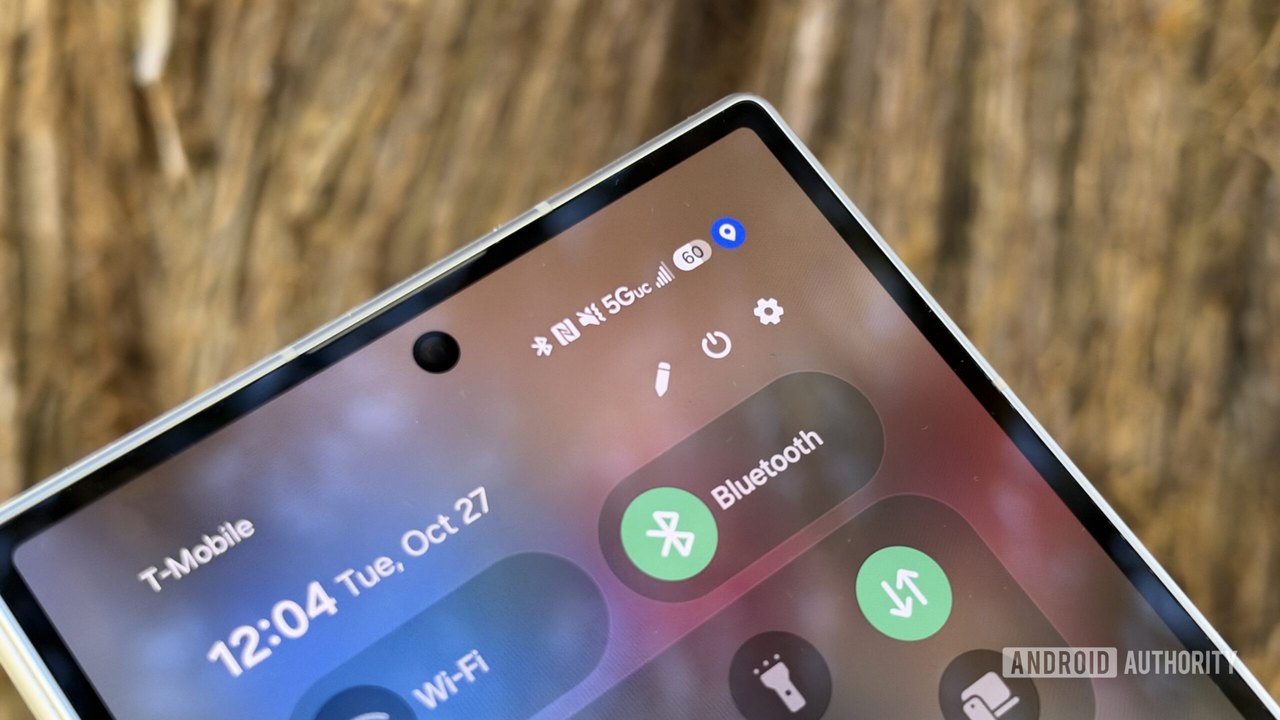
Image: Android Authority · Photo source · Resized and letterboxed to 16:9; no AI generation
A recent study by network intelligence firm Ookla indicates that North American cities rank near the bottom globally for indoor 4G signal strength, trailing regions including Africa and Latin America. While US carriers have widely publicized broad 5G coverage expansions and faster download speeds, the new findings highlight persistent challenges with mobile connectivity inside buildings.
The report examined a year of mobile signal measurements across more than 100 cities in 60 countries. Ookla reported that North America and Oceania performed poorly in indoor signal consistency compared to East Asia and the Middle East.
City-by-City Indoor Signal Findings
According to the analysis, weak indoor signals affected significant percentages of measured buildings in major US metropolitan areas:
- Miami: 41% of measured buildings
- Seattle: 39% of measured buildings
- Los Angeles: 38% of measured buildings
- San Jose: 37% of measured buildings
- New York: 25% of measured buildings
In contrast, Ookla found that just 2% of measured buildings in Seoul, South Korea, experienced weak indoor signals.
Outdoor Coverage Drives Indoor Performance
Despite assumptions that heavy American building materials block signals, Ookla's data suggests that North American cities experience relatively small signal drops when transitioning from outdoors to indoors. For example, Phoenix loses considerably less signal strength moving indoors than Seoul does.
However, Seoul maintains vastly superior indoor reception because its baseline outdoor coverage is significantly stronger. The study concluded that roughly 85% of the disparity in indoor signal strength between different cities is driven by outdoor coverage quality. Better indoor connectivity heavily relies on robust outdoor network infrastructure.
Impact on Speeds and Potential Solutions
Poor reception directly impacts data performance. According to Ookla's global 4G speed tests, substantially weaker indoor signals can reduce download speeds by up to 65% and upload speeds by up to 87%.
To address these limitations, the report points to potential remedies:
- Dedicated In-Building Equipment: Large North American buildings equipped with dedicated cellular hardware demonstrated significantly better reception improvements than similar installations in East Asia, where outdoor networks are already robust.
- Regulatory Frameworks: Countries like South Korea and Singapore mandate space for mobile equipment in buildings and actively monitor indoor coverage. While US model fire codes mandate radio coverage for first responders, no equivalent mandates exist for general consumer cellular use.
Practical Implications and Verification
Consumers experiencing slow data speeds or dropped calls indoors can consider utilizing Wi-Fi calling features where available or inquiring about in-building signal boosters. To review the original findings and methodology, readers can access the complete Ookla report directly on the Android Authority website or via official Ookla network intelligence publications.
AI-assisted reporting; source claims are attributed and have not been independently verified.
More to read
 Call of Duty: Black Ops 2 Ranks Among 2026's Best-Selling Games in the US
 TVS Apache Racing Experience GP Season 3 Expands Globally Across Seven Countries and 20 Cities
 Bihar Museum Ranks Ninth Globally, Sparking Praise From Anand Mahindra and an Official Invitation From State Leadership
 T-Mobile Replaces Experience Plans With New T-Mix Lineup