Parallels 27 Review: Better Graphics and Apple Silicon Focus, but Subscription Costs Remain
· GlobeWire Daily Tech Desk · Source: www.techradar.com
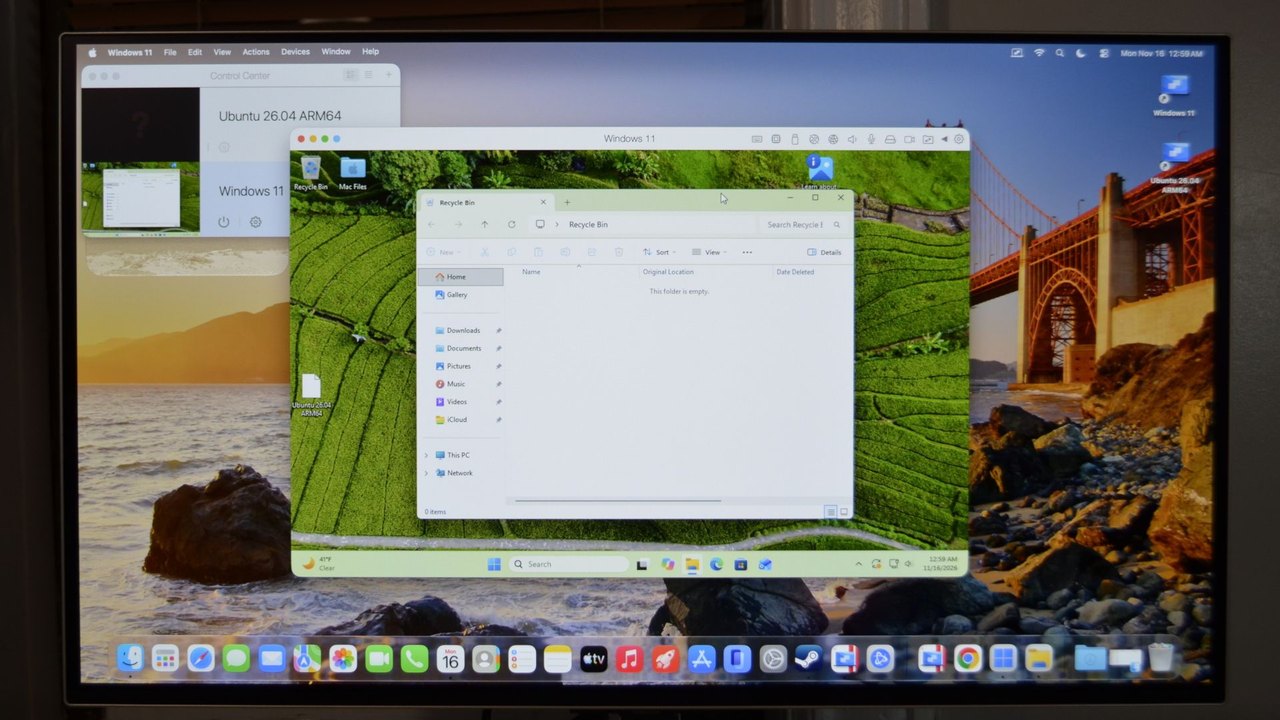
Image: TechRadar · Photo source · Resized and letterboxed to 16:9; no AI generation
Parallels 27 is the latest iteration of the virtual machine software designed to run Windows and Linux guest operating systems on Apple Silicon Macs. This version brings notable updates, including a rewritten graphics pipeline leveraging the Apple Metal API, OpenGL 4.3 support, and a complete transition to supporting Apple Silicon hardware only.
Key Updates and System Requirements
- Apple Silicon Only: Intel-based Macs are no longer supported in version 27, though users on older hardware can continue using Parallels 26 with ongoing security updates.
- Graphics Improvements: The introduction of OpenGL 4.3 support via Apple's Metal API helps run professional, Windows-only tools that previously struggled on earlier versions.
- Limitations: Parallels 27 remains capped at DirectX 11.1, meaning applications requiring DirectX 12, including recent PC games, are not supported.
Pricing and Plans
Parallels 27 is offered in four distinct tiers:
- Standard Plan: Available as an annual subscription starting at $99.99 or via a one-time perpetual purchase for $219.99. It is capped at 4 virtual CPU cores and 8GB of virtual RAM, suitable for casual use and basic productivity apps.
- Pro Plan: Requires an annual subscription starting at $119.99, offering up to 32 vCPUs, 128GB vRAM, AI Agent Integration, and performance monitoring tools.
- Business Plan: Starts at an annual subscription of $149.99, adding centralized license administration and developer deployment workflows.
- Enterprise Plan: Custom pricing available via direct contact with the sales department.
Practical Implications and Verification
While setup remains straightforward—typically taking around 15 minutes—users must account for additional Windows licensing costs. Performance varies based on allocated resources; testing shows single-core performance holds up well compared to native runs, while multi-core performance drops significantly depending on the core allocation. To verify details, check official feature lists and support documentation directly on the Parallels website.
AI-assisted reporting; source claims are attributed and have not been independently verified.
More to read
 Understanding Apple One Tiers: Costs, Features, and Choosing the Right Bundle
 Apple AirPods 5 with Wireless Charging Review: ANC and Features Outweigh Battery Limits
 ‘Steps’ Review: Brightly Colored, Harmless Reimagining of ‘Cinderella’ Packs Funny Lines but Little That’s Unique
 Teachers Want to Prepare Pupils for Post-16 Life, but Funding Questions Remain