School Campuses Emerge as the Latest Battleground for Flock Safety Cameras
· GlobeWire Daily Tech Desk · Source: www.cnet.com
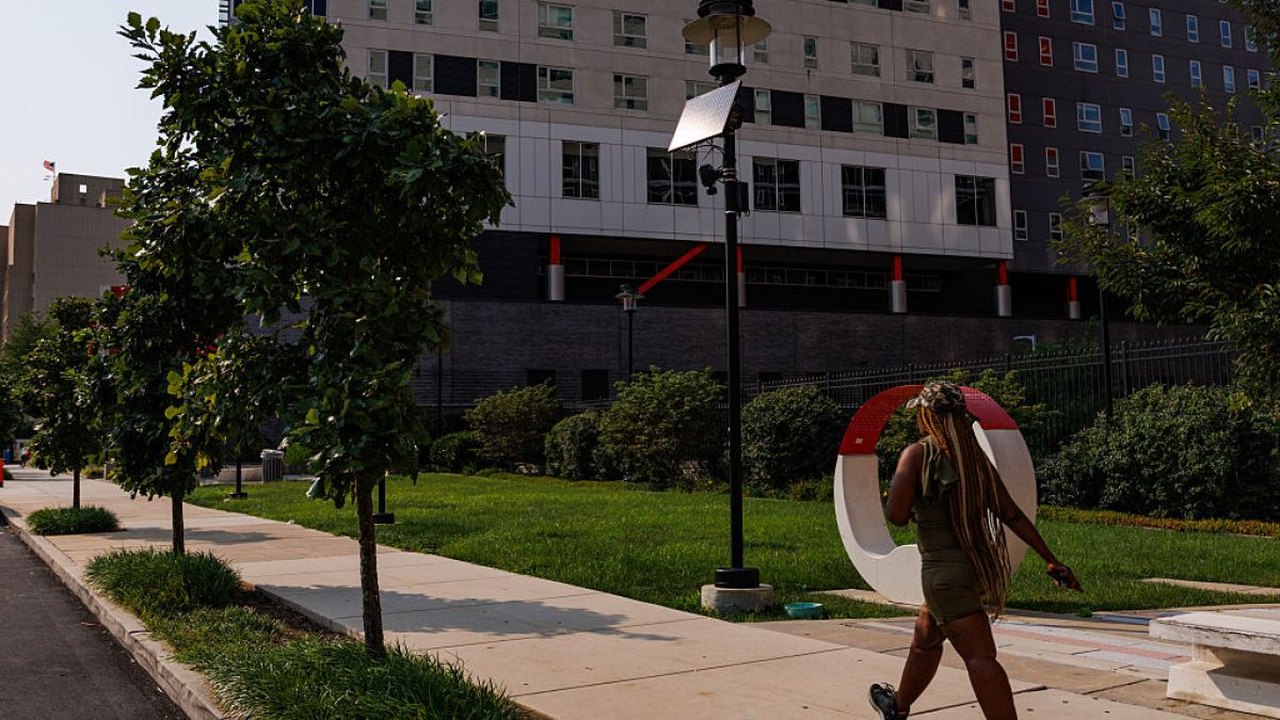
Image: CNET · Photo source · Resized and letterboxed to 16:9; no AI generation
College and high school campuses across various regions are facing growing scrutiny and student-led activism regarding the installation of surveillance tools, including automated license plate readers from Flock Safety. According to reported accounts and research, several academic institutions have reevaluated or discontinued contracts with surveillance providers due to concerns over student privacy, data retention policies, and broader civil liberties questions.
While law enforcement technology providers emphasize the role of such systems in aiding public safety and crime-solving efforts, critics, legal experts, and student coalitions highlight potential risks involving data sharing, surveillance overreach, and the lack of particularized suspicion in mass data collection.
Overview of Campus Surveillance Scrutiny
Recent discussions and protests at multiple educational institutions have brought attention to the deployment of automated license plate readers (LPRs) on school grounds.
- Discontinued Contracts and Protests: Reports indicate that student activism and administrative reviews have led to altered arrangements or discontinued ties with surveillance vendors at select institutions, including Cornell University, Emory University, Penn State University, and Stanford University.
- Alternative Technologies: Certain institutions have explored alternatives that involve stricter data retention limits, such as storing data for shorter periods and restricting third-party sharing.
- Ongoing Student Advocacy: Petitions and organized demonstrations have been reported at campuses such as the University of Iowa and the University of Kentucky, where student groups have voiced opposition to automated tracking tools.
Arguments From Industry and Legal Perspectives
Stakeholders on different sides of the debate point to distinct priorities regarding security, data control, and privacy regulations.
- Flock Safety's Position: Representatives for Flock Safety have stated that customers own and control their data, noting that the technology captures point-in-time vehicle rear images without employing facial recognition or identifying vehicle occupants.
- Privacy and Legal Concerns: Legal analysts, such as attorney Amy Peikoff of the Pacific Legal Foundation, have noted that while courts generally permit the collection of certain public-facing data, questions remain concerning data retention limits, sharing practices, and the distinct privacy expectations present on residential and educational campuses where minors and students reside.
Practical Implications and Verification
For communities and educational institutions evaluating surveillance technologies, understanding policy frameworks is essential.
- Review Local Regulations: School search rules, student-privacy laws, and state-specific limits on data retention vary significantly.
- Examine Vendor Contracts: Stakeholders can verify official announcements and policy details by reviewing public procurement records, institutional governance documents, and direct statements from campus administration regarding data handling practices.
AI-assisted reporting; source claims are attributed and have not been independently verified.
More to read
 Internal Meta Documents Reveal 'Project Gryffindor' Linked School Safety to Teen User Growth
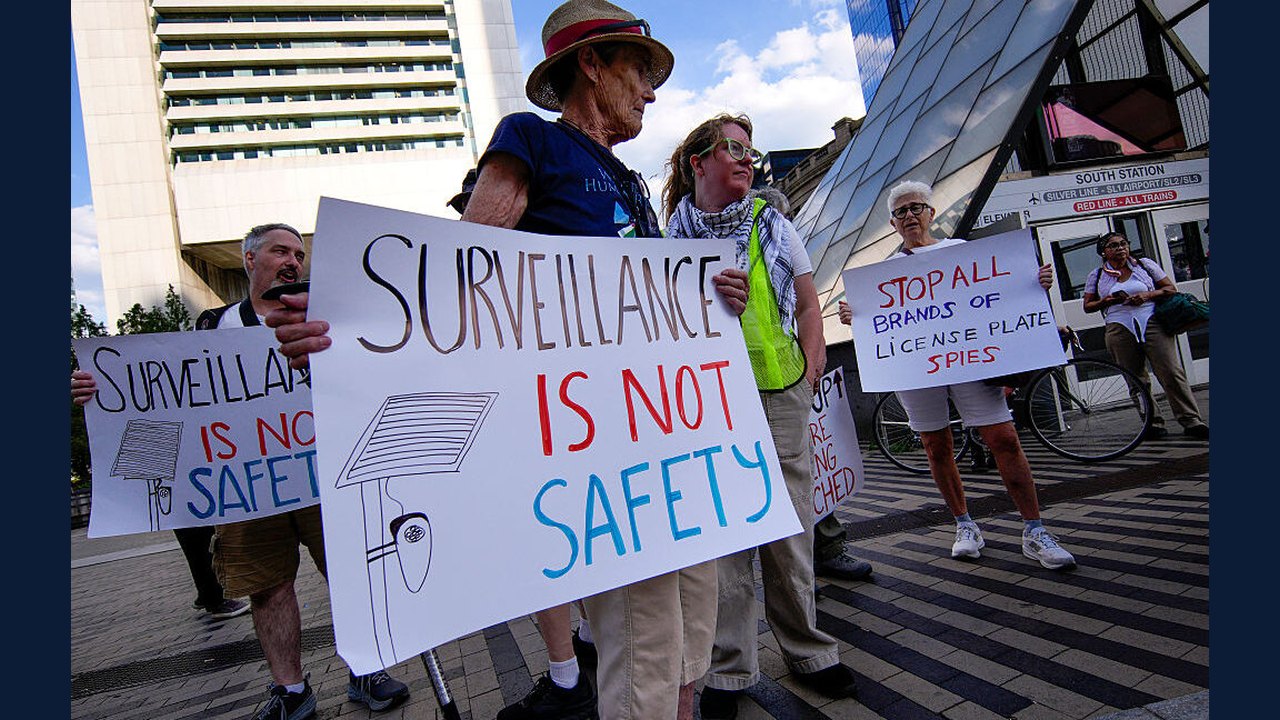 Florida County Won’t Investigate Unpermitted Flock Cameras as Privacy Concerns Grow
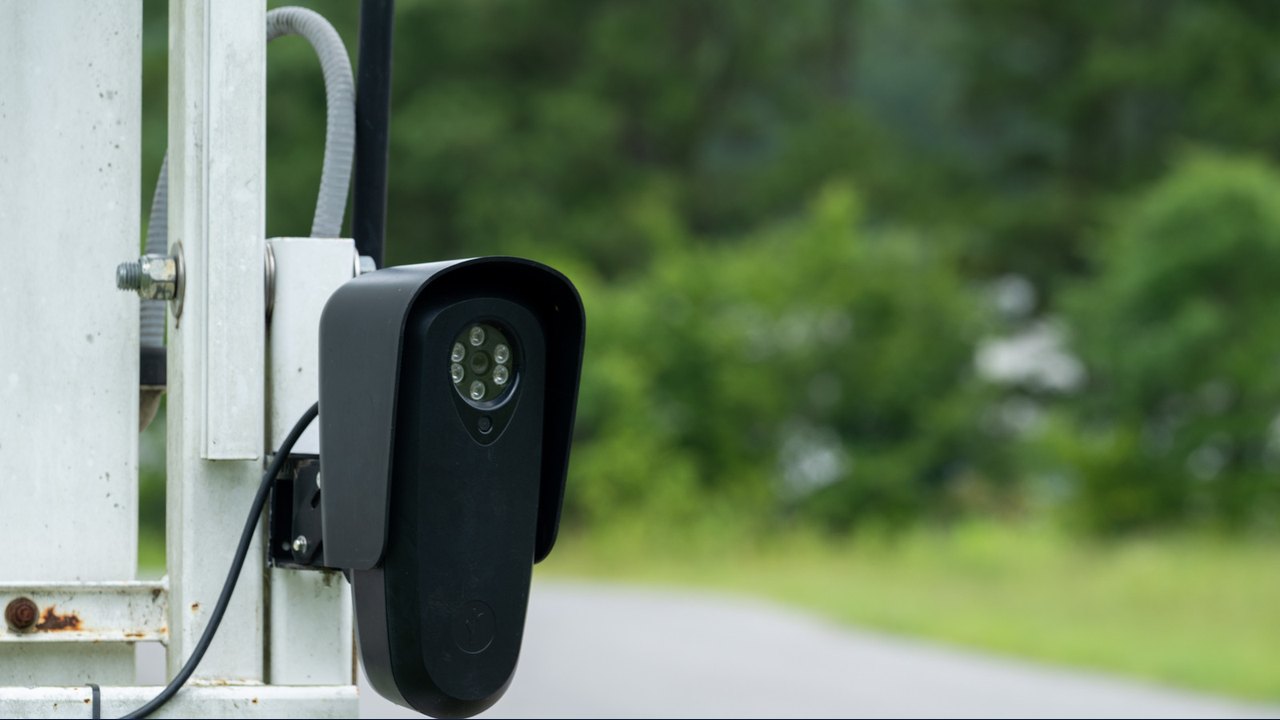 Understanding Flock Cameras: What They Are, Capabilities, and How to Spot Them
 California DMV Bans Waymo Autonomous Vehicles From State Freeways Citing Safety Hazards