Why Silicon Valley Executives Are Facing Backlash Over AI Parenting and Relationship Goals
· GlobeWire Daily Tech Desk · Source: techcrunch.com
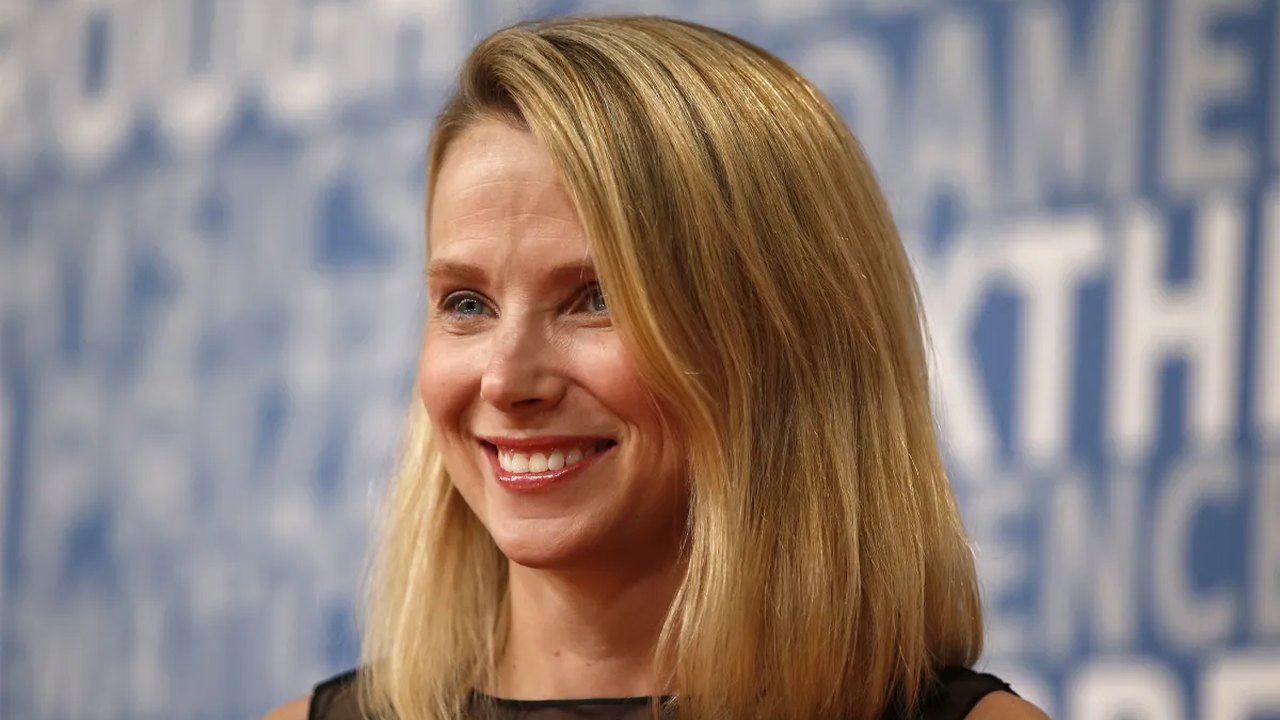
Image: Amanda Silberling — Creative Commons
Recent public comments from high-profile technology executives regarding artificial intelligence applications in daily parenting and personal relationships have highlighted a growing cultural disconnect between Silicon Valley leaders and the general public.
The discussion intensified following remarks by former Yahoo CEO and early Google engineer Marissa Mayer regarding her new AI assistant app, Dazzle. In an interview discussing the app, which learns from a user's camera roll, Mayer highlighted an example where the tool helped generate three bullet points describing her 10-year-old daughter for a school birthday presentation—characterizing her as "empathetic, creative, and an animal lover." The description drew widespread criticism on social media, with critics pointing out that the phrasing resembled a generic horoscope.
Following the publication of the interview, Mayer defended herself in a post on X, clarifying that she was testing her prototype's ability to resurface forgotten memories from kindergarten projects rather than relying on an AI to explain her child to her. However, the initial remarks tapped into broader public frustrations regarding how technology leaders envision automating deeply personal human experiences.
A Pattern of Outsourcing Personal Life
Mayer is not the only prominent tech executive to spark debate by suggesting AI can assist with family life. Last year, OpenAI CEO Sam Altman stated on television that he could not imagine figuring out how to raise a newborn without ChatGPT. More recently, Altman suggested on X that users could employ AI tools to create podcasts summarizing their children's upcoming birthdays or sports interests. The comments drew heavy pushback from online users questioning why parents would not simply talk directly to their children.
Similarly, Meta CEO Mark Zuckerberg has publicly discussed the potential for AI to address feelings of loneliness and fulfill social needs. Citing statistics on the average number of friends people maintain versus the higher number they desire, Zuckerberg has predicted that society may increasingly accept outsourcing emotional needs to AI therapists, virtual companions, or AI romantic partners, alongside investments in realistic virtual-reality AI avatars.
Public Sentiment Versus Tech Industry Culture
The divergence between tech leadership and public opinion is reflected in survey data. According to a Pew Research Center study, 50% of U.S. adults believe that AI will reduce people's ability to form meaningful relationships, while only 5% think AI will make building those connections easier.
Analysts attribute this tension to the foundational ethos of the technology sector, which heavily prioritizes efficiency, productivity metrics, and biohacking. While efficiency serves as a measurable goal for engineering hardware like computer chips or electric vehicles, critics argue that applying the same metrics to human relationships—which are inherently complex and messy—risks stripping away the fulfilling aspects of human interaction.
Practical Implications and Reader Verification
- Confirmed Facts: Prominent tech executives including Marissa Mayer, Sam Altman, and Mark Zuckerberg have publicly discussed using or developing AI tools to manage personal tasks, family milestones, or social and emotional needs. These remarks have drawn public backlash on social media platforms.
- Uncertainties: It remains unproven whether consumer adoption of AI-driven personal assistants will align with executive predictions, or if public pushback will alter how tech companies market these consumer applications.
- What Readers Can Check: Readers can review the original coverage and executive statements directly via TechCrunch's report: [TechCrunch Original Article](https://techcrunch.com/2026/10/28/ai-execs-may-be-too-out-of-touch-to-build-for-the-general-public/). Additional public data regarding societal attitudes toward artificial intelligence can be verified through published Pew Research Center studies.
AI-assisted reporting; source claims are attributed and have not been independently verified.
More to read
 Amnezia Pulse launches live map to monitor Russian internet shutdowns in real time
 Apple Creator Studio Updates Bring MotionVFX Integration and AI Assistants in November
 Apple's Touchscreen MacBook Pro: How the Integrated Sensor Works and Why It Matters
 Acer Swift Air 14 Review: An Affordable, Highly Portable Ultrabook Option
Trending on GlobeWire Daily
Selected from recent coverage and related topics; not live search rankings.
 Recent Program and Project Management Openings Highlighted for Boydton and Surrounding Regions
 Administrative and Support Job Openings Highlighted in Boydton Area Listings
 Overview of Military and Protective Services Openings in the Des Moines Area
 Navigating Free Sample Promotions and Trial Offers Across India: What Consumers Should Know
 Exploring the Landscape of Fantasy Cricket Apps and Platforms in India
 NABARD Opens Grade A Officer Recruitment 2025 for 91 Vacancies: What Applicants Need to Know