Exploring Nagaland: Culture, Landscapes, and the Festival of Festivals
· GlobeWire Daily Editorial Desk · Source: tourism.nagaland.gov.in
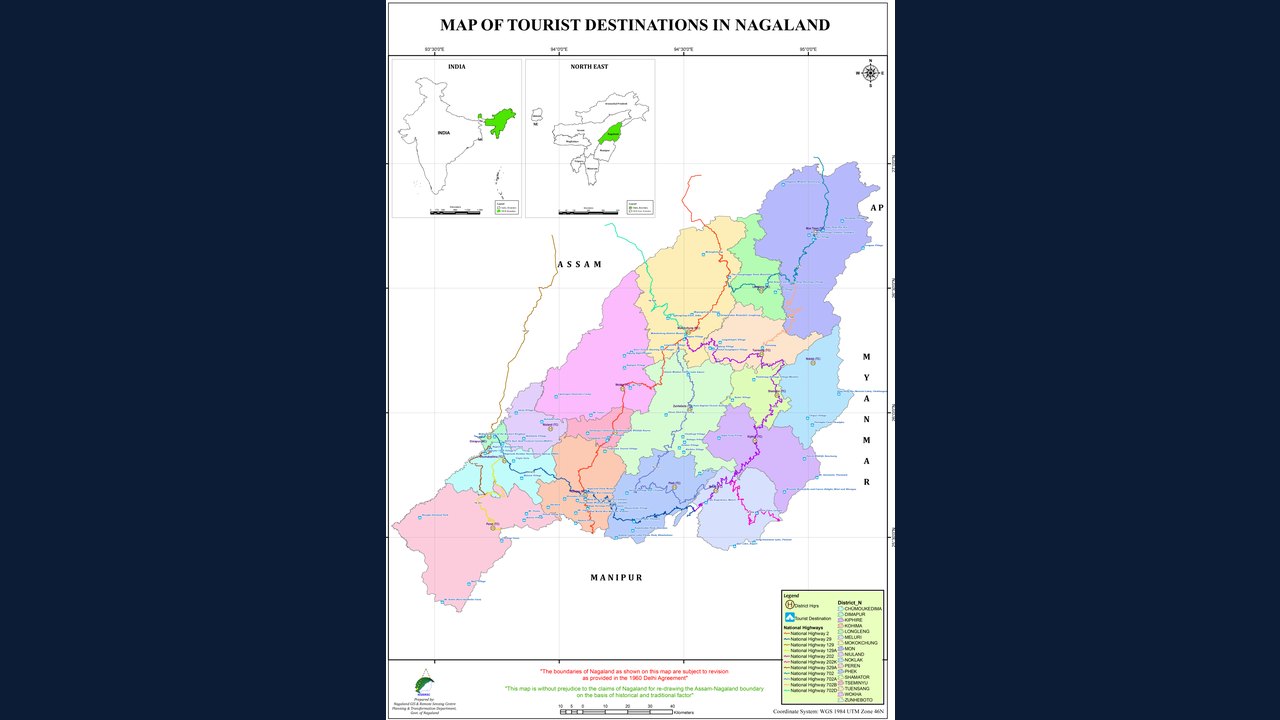
Image: tourism.nagaland.gov.in · Photo source · Resized and letterboxed to 16:9; no AI generation
Nagaland, situated in northeastern India, offers travelers a distinct glimpse into a rich cultural heritage, dramatic landscapes, and vibrant traditions. According to official tourism information, the region is celebrated as the 'Land of Festivals,' characterized by rolling hills, terrace farming, and deeply rooted indigenous traditions.
Cultural Heritage and Traditions
Traditional Naga homes preserve a legacy of oral storytelling, passing folktales, songs, and historical narratives down through generations. Bamboo remains an essential element in daily life and craftsmanship, utilized for everything from basic shelter to intricate household items like trays, mugs, baskets, and decorative accessories. Additionally, the region's textile heritage features colorful, meaningful designs, with local weavers and organizations working to sustain traditional crafts while supporting rural livelihoods.
Seasonal Highlights and the Hornbill Festival
The most prominent cultural event in the state is the Hornbill Festival, held annually from December 1 to 10. Often dubbed the 'Festival of Festivals,' this event brings together various tribes to showcase traditional songs, dances, and attire. The associated Hornbill Music Festival has also attracted significant visitor interest over the past two decades. Travelers planning to attend seasonal events are advised to check official tourism portals for updated schedules and logistical guidance.
Landscapes and Adventure Tourism
For outdoor enthusiasts, Nagaland features diverse natural terrain suitable for trekking, exploring woodlands, and observing native flora. Key experiences include:
- Mountain trekking and nature walks through forested hills
- Exploring rural village life away from urban centers
- Discovering local waterfalls and birdwatching spots
Culinary Traditions and Modern Cafes
Naga cuisine relies heavily on rice as a staple, complemented by local flavors, indigenous ingredients, wild leaves, and herbs. In recent years, urban centers such as Kohima and Dimapur have seen a growing café culture, offering visitors contemporary hangout spaces alongside traditional food experiences.
Practical Transport and Verification
- Destination Context: Nagaland is accessible via major transport hubs in the region, such as Dimapur, which features a railway station and airport connections.
- Advisory Check: Travelers should consult official government travel advisories and the Department of Tourism, Government of Nagaland website for entry formalities, Inner Line Permit (ILP) requirements for domestic or international visitors, and updated travel safety guidelines.
- Evergreen Guidance: While cultural landmarks and natural attractions remain consistent features of the destination, seasonal weather variations and local festival dates should be verified prior to trip planning.
AI-assisted reporting; source claims are attributed and have not been independently verified.
More to read
 2026 Yangtze River Culture Festival Launches in Zhangjiagang to Promote Regional Tourism
 Exploring CAD and Software Development Engineer Job Listings in Hyderabad
 Exploring Social Media Marketing Internship Opportunities Listed on LinkedIn
 Exploring Content and Social Media Marketing Internship Opportunities in Delhi
Trending on GlobeWire Daily
Selected from recent coverage and related topics; not live search rankings.
 Harley-Davidson Pan America: Specifications & buying guide
 Ducati Mach 1: Specifications & buying guide
 Zeekr 001: Specifications, variants & buying guide
 Wuling Zhengtu: Specifications, variants & buying guide
 Samsung Galaxy Note 3: Specifications & buying guide
 Huawei Ascend P6: Specifications & buying guide