India-EU Free Trade Agreement: What It Means for Travel, Mobility, and Tourism
· GlobeWire Daily Editorial Desk · Source: timesofindia.indiatimes.com
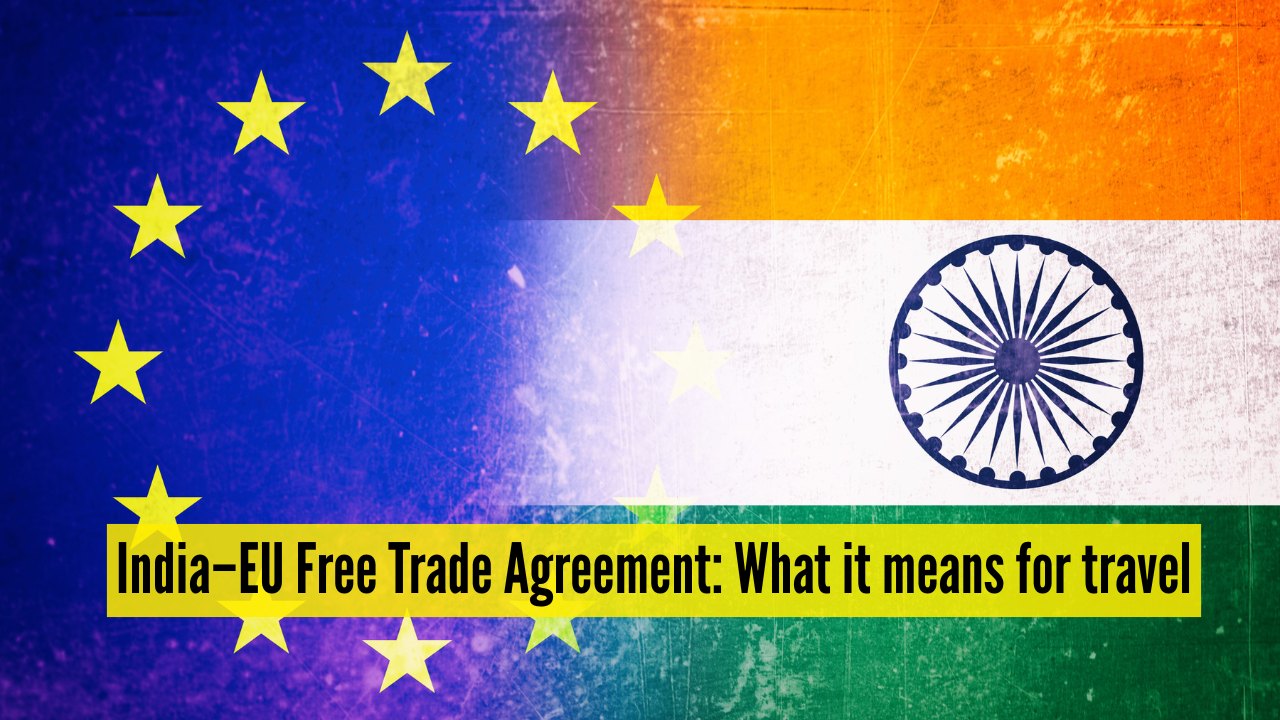
Image: The Times of India · Photo source · Resized and letterboxed to 16:9; no AI generation
The conclusion of the India-European Union Free Trade Agreement (India-EU FTA) introduces a new framework expected to influence business travel, professional mobility, and tourism-linked services between India and Europe. Announced at the 16th India-EU Summit by Prime Minister Narendra Modi and European Commission President Ursula von der Leyen, the agreement addresses mobility provisions alongside goods, services, and investment.
European Commission President Ursula von der Leyen referred to the agreement as a significant deal, while Prime Minister Narendra Modi described the pact as historic. Together, India and the European Union account for roughly 25% of global GDP and about one-third of global trade.
Mobility Framework and Business Travel
A central component of the agreement is its future-oriented mobility framework, designed to facilitate short-term, temporary, and business visits:
- Professional Access: Indian professionals on short-duration trips can visit Europe for sectors such as IT, communications, consultancy, and training seminars.
- Market Access for Europeans: European professionals and investors gain easier access to India's market.
- Intra-Corporate Transfers: Structured mobility provisions are established for business visitors, intra-corporate transferees, and relevant family members or dependents of executives, managers, and specialists.
- Contractual Service Providers: Independent professionals and contractual service suppliers across multiple sectors can travel to EU member states under defined conditions for specific projects.
Education, Tourism, and Practical Implications
The agreement also touches upon student mobility, academic exchanges, and skill development pathways, supporting educational travel and post-study work opportunities. Indirectly, tourism-related services are projected to benefit from increased conference travel, exhibitions, professional training, medical treatment, and cultural exchanges.
This agreement follows recent trade deals involving India, the UK, and EFTA countries, collectively shaping outbound and inbound travel patterns for work, education, and entrepreneurship.
Verification and Practical Steps
- Check Official Sources: Travelers and businesses should consult official government press releases and trade ministry announcements for verified implementation timelines and specific visa guidelines.
- Review Regulatory Updates: As legal frameworks adapt to the FTA, immigration authorities will issue detailed operational rules for short-term work and dependent entry.
- Monitor Sectoral Guidelines: Independent professionals and corporate entities should verify sector-specific conditions before planning project-based travel.
AI-assisted reporting; source claims are attributed and have not been independently verified.
More to read
 India-EU Free Trade Agreement Expected to Roll Out in Mid-2027, Says Top EU Lawmaker
 Leaked UK-EU Draft Agreement Outlines Proposed Changes on Youth Mobility, Trade and Tariffs Ahead of Expected Friday Signoff
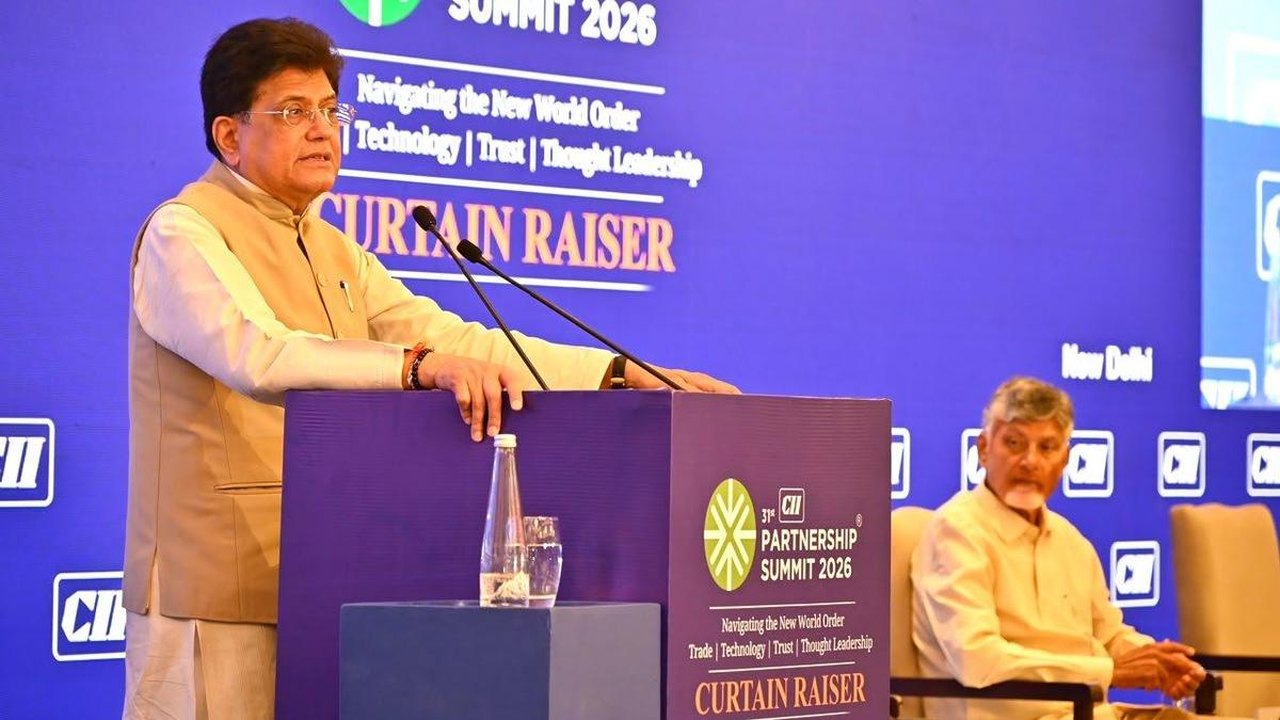 India and U.S. Fine-Tuning Proposed Trade Agreement, Says Commerce Minister Piyush Goyal
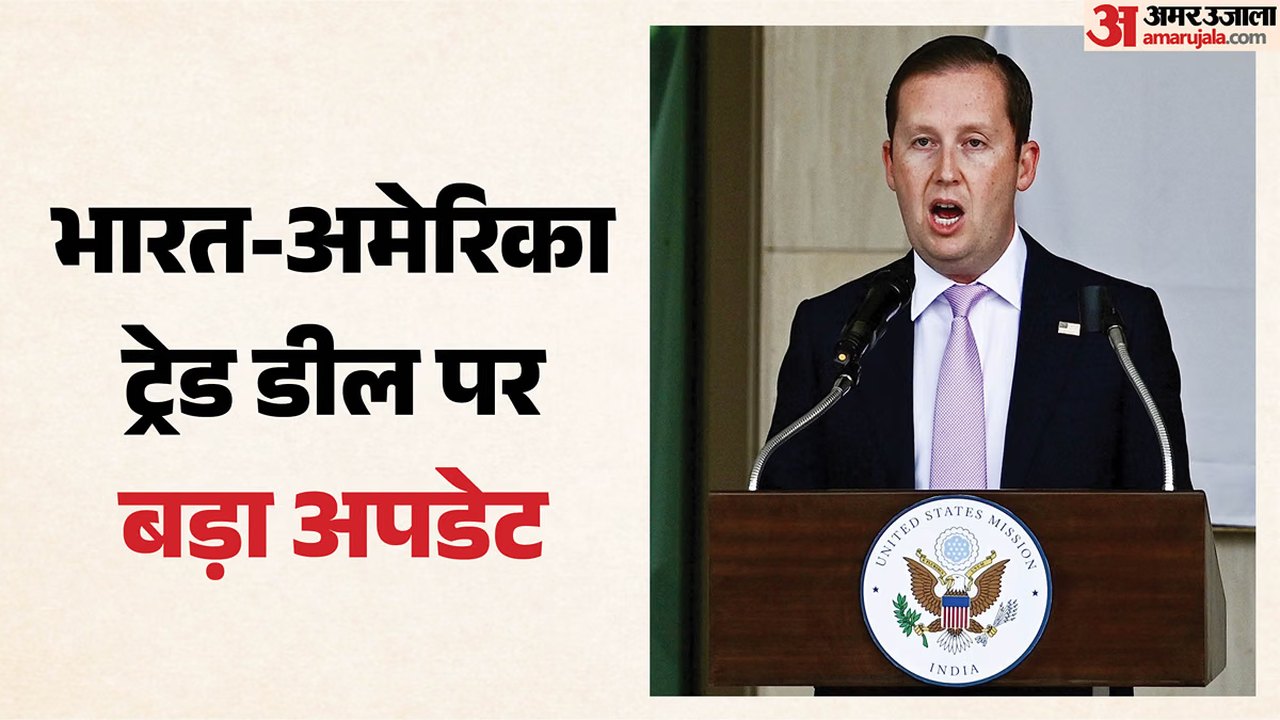 US Ambassador Affirms Commitment to Finalizing India-US Trade Agreement