Kotor Travel Guide: Exploring Montenegro's Historic Bay Town
· GlobeWire Daily Editorial Desk · Source: listelist.com
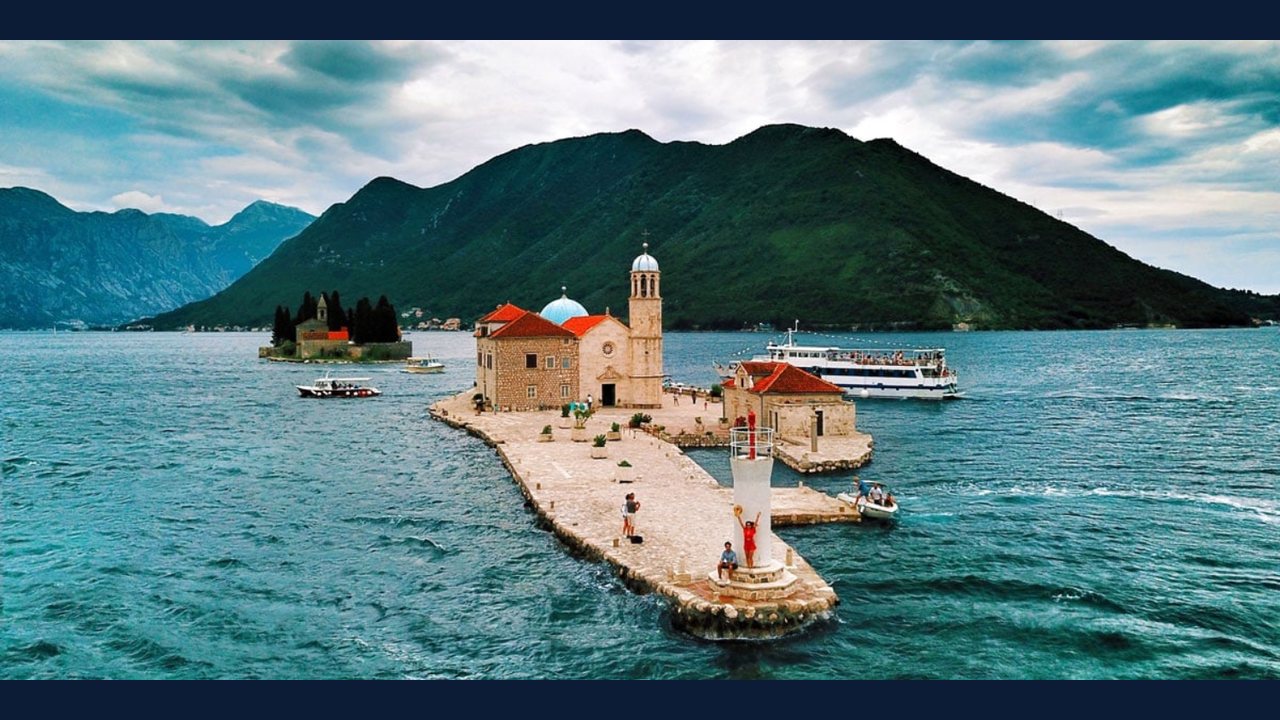
Kotor sits at the end of one of the Adriatic’s most dramatic bays in Montenegro, sheltered by high mountains and enclosed by historic Venetian walls. Recognized early for its cultural significance, the Natural and Culturo-Historical Region of Kotor has been listed as a UNESCO World Heritage site since 1979, with its extensive fortifications added in 2017. This guide outlines practical considerations for visiting this medieval port town, including accommodation choices, key sights, local culinary specialties, and transport context.
Where to Stay: Old Town vs. Bay Villages
Choosing where to stay depends largely on your travel style and whether you are driving:
- Inside the Old Town: Ideal for prioritizing atmosphere and walkability, placing you steps away from historic squares and dining options.
- Along the Bay: Properties located a few kilometers outside the center—such as in Orahovac, Dobrota, and surrounding areas—frequently offer greater space, sea views, balconies, and free parking, making them practical if you have a car. Options range from central apartments near the Clock Tower to quieter retreats close to pebble beaches.
What to See and Do
Kotor’s pedestrian-only old town is compact and best explored on foot. Key landmarks include:
- St. John’s Hill Fortress: Rising about 280 meters above the old town, the fortress offers panoramic views of the bay. The climb involves approximately 1,300 to 1,350 steps and takes around 35 minutes. Sturdy shoes, water, and an entry ticket are required.
- Arms Square and the Clock Tower: The first square inside the main gate features the town hall and a leaning 17th-century clock tower, alongside nearby cafes and the historical public pillory pillar.
- Cathedral of St. Tryphon: A prominent Romanesque Catholic church dating from 1166, housing relics, frescoes, and a small museum.
- Maritime Museum and Town Gates: Exhibits reflect Kotor’s seafaring heritage under Venetian influence, while historical entry points like the River Gate (1540) mark the town's fortified defenses.
Local Cuisine
Montenegrin cuisine in Kotor heavily reflects Italian influences, featuring pizzerias, fresh seafood, and regional staples:
- Seafood: Grilled or pan-fried fish, mussels, oysters, and scampi vary by season.
- Black Risotto: Prepared using cuttlefish ink.
- Školjke na buzaru: Mussels cooked in tomato, garlic, and olive oil, typically served with bread.
- Desserts: Cherry strudel (*pita višnja*), tulumba, baklava, and tiramisu paired with local coffee.
Practical Transport and Seasonal Considerations
- Getting There: Kotor has no airport. The nearest is Tivat (about 5 km away), while Podgorica and Dubrovnik (Croatia) offer alternative road-access points. Travelers should verify visa requirements for Montenegro and any transit countries ahead of time.
- Seasonality: The peak tourist season runs roughly from May to October, with summer months experiencing heavy cruise ship traffic and busy lanes. Visiting during the shoulder months of April and May, or September and October, offers milder weather and fewer crowds, while early morning or evening walks provide a calmer atmosphere within the old town.
*Note: Travel conditions, rates, availability, and entry regulations change. Always confirm details through official tourism resources and advisory channels before finalizing your trip.*
More to read
 B.C. Interior Roots and Proposed Policy Shifts Under Premier Lorne Doerkson
 South Africa and Seychelles Advance Joint Tourism Cooperation Framework
 UK Scouts Warn Proposed Tourist Tax Could Cost Charity Over £1M Annually
 New Mountain Lodge Aims to Boost Nature-Positive Tourism in Bulgaria's Rhodope Mountains