Parks Canada Outlines Multi-Species Recovery Plan for Grasslands National Park
· GlobeWire Daily Editorial Desk · Source: www.canada.ca
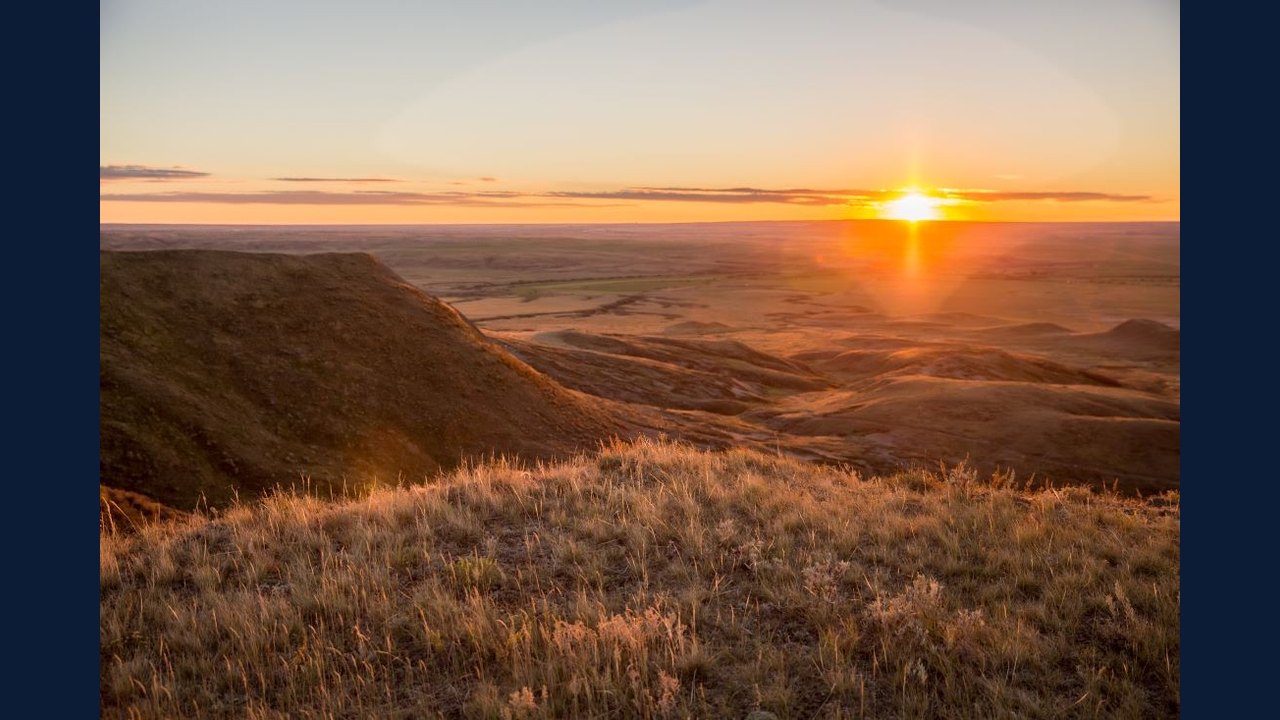
Image: Environment and Climate Change Canada · Photo source · Resized and letterboxed to 16:9; no AI generation
Overview of Grasslands National Park
Grasslands National Park, established in 1981, covers 844 square kilometers of southwestern Saskatchewan. Representing the semi-arid Prairie Grasslands Natural Region, the park features rolling hills, native mixed-grass prairies, and unique geological formations shaped by glacial meltwater erosion. The West Block centers on the Frenchman River Valley, while the East Block highlights the badlands of Rock Creek and the Wood Mountain Uplands. The region experiences a harsh, semi-arid climate where grasses dominate, alongside shrubs and trees in moister coulees and valley floors.
The Multi-Species Action Plan
Parks Canada has released an updated action plan focusing on 38 species that regularly occur within the park boundaries. This includes 33 species listed under the federal Species at Risk Act (SARA) and five additional species of conservation concern. Of the SARA-listed species, 21 are classified as Extirpated, Endangered, or Threatened, requiring formal action planning, while 12 are designated as Special Concern.
This framework replaces the previous 2016 action plan and is designed to align with broader national biodiversity strategies. The plan outlines 21 committed conservation and recovery measures, with an additional 24 measures planned should further partnerships and resources become available.
Key Conservation Focus Areas
- Threat Mitigation: The plan targets primary pressures on local wildlife, including transportation infrastructure (roads, trails, and railroads), recreational activities, invasive species, problematic native species, and biological systems management.
- Critical Habitat Protection: Critical habitats are reaffirmed for specific vulnerable species, ensuring continuity of legal protections carried forward from previous recovery strategies.
- Ecosystem Management: Grazing remains an integrated part of the landscape management to support natural ecosystem function, complementing ongoing conservation work like bison rematriation.
Practical Transport and Visitor Context
Visitors planning a trip to Grasslands National Park should note seasonal considerations and potential restrictions. Practical travel details include:
- Access and Movement: Certain areas of the park may have visitor restrictions during specific management, protection, or nesting periods to safeguard sensitive wildlife and habitats.
- Planning Your Visit: Because the park spans remote semi-arid terrain across the West and East blocks, travelers should prepare for variable weather, limited on-site services, and ruggged conditions.
Verification and Official Resources
Travelers and researchers can verify the original announcement and access detailed documentation, including status reports and full recovery strategies, through the official Species At Risk Public Registry or the official Parks Canada portal. Always consult current official advisories before finalizing travel plans, as entry conditions and local guidelines are subject to change.
AI-assisted reporting; source claims are attributed and have not been independently verified.
More to read
 Court Dismisses Bid to Halt Aerial Brumby Culling in NSW National Park
 Norway Outlines Twin-Track Build Plan for Project 1118 Standardised Vessel Fleet
 Gorakhpur: Ramgarh Tal Tourist Safety Plan Awaits GDA Approval
 Canada Snaps Eight-Game Skid Against USA With 5-3 Victory in Exhibition Rematch
Related coverage
Related reporting available at publication.
Court Dismisses Bid to Halt Aerial Brumby Culling in NSW National ParkNorway Outlines Twin-Track Build Plan for Project 1118 Standardised Vessel FleetGorakhpur: Ramgarh Tal Tourist Safety Plan Awaits GDA ApprovalCanada Snaps Eight-Game Skid Against USA With 5-3 Victory in Exhibition Rematch International DJ HUGEL's Kolkata Christmas Gig Aims to Boost Concert Tourism
 U.S. Hotel and Travel Groups Endorse Federal Film Tax Credit to Boost Tourism