Snowdonia Slate Trail Opens New 83‑Mile Loop Through Wales’ Slate Heritage
· GlobeWire Daily Travel Desk · Source: www.theguardian.com
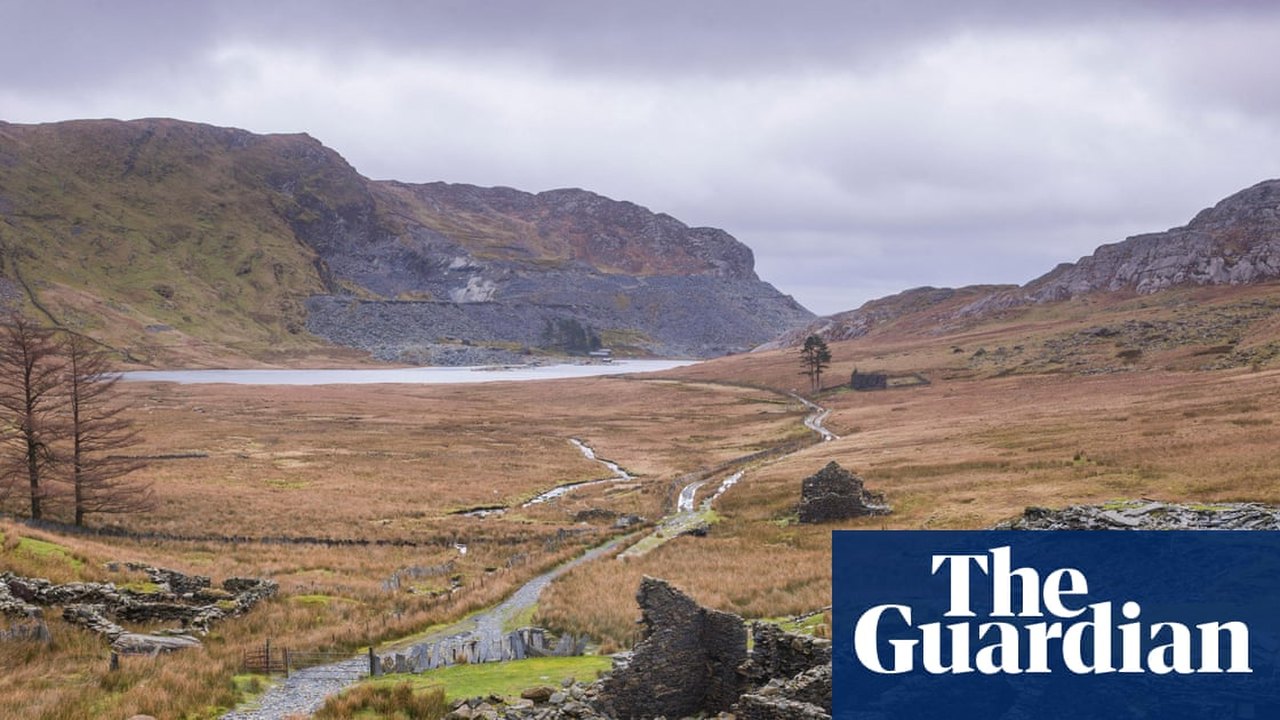
Image: www.theguardian.com — Creative Commons
A new long‑distance route showcases Wales’ industrial past and natural scenery
The Snowdonia Slate Trail (Welsh: Llwybr Llechi Eryri) officially opened as an 83‑mile (134 km) circular walk that links the national park’s historic slate quarries with some of the United Kingdom’s most celebrated riverside and mountain scenery. The route begins in Bangor, loops through the heart of the park and finishes in Bethesda, offering hikers a self‑guided experience that blends industrial archaeology with rugged wilderness.
Route overview and key waypoints
The trail can be tackled in a single week or broken into shorter sections. A typical seven‑day itinerary starts in Llanberis, moves north to Beddgelert, then east through Llan Ffestiniog before heading south to Betws‑y‑Coed and finally back to the start point. Along the way walkers encounter:
- Dorothea Quarry – a sprawling, abandoned complex of railways, cottages and deep cuttings, described as “looming stone towers like Maya temples”.
- Cwmorthin Quarry – noted for its massive spoil heaps; historically it required ten tons of rock to yield one ton of marketable slate and earned the nickname “the slaughterhouse” after a series of fatal accidents.
- Rhiwbach Quarry – accessed via an old tramway incline and home to a well‑preserved engine house from the 1860s.
- River Cynfal gorge – a dramatic, moss‑laden canyon with powerful waterfalls and a rock formation linked to 18th‑century traveller Thomas Pennant’s tale of the magician Huw Llwyd.
- St Tudclud Church – housing the Carausius Stone, an inscribed Roman‑era gravestone.
Historical context of the Welsh slate industry
Slate from the Snowdonia region has been prized for centuries. Legend holds that Edward I used it for roofing Welsh castles, but large‑scale extraction only began in the 1820s and peaked in the 1870s. The boom prompted the construction of a railway to Caernarfon, the installation of steam‑driven pumps, aerial cables and, notably, the last Cornish beam engine in Britain, which could lift 10 gallons of water per second from a depth of 500 ft. The industry’s decline left a landscape of abandoned pits, rusted machinery and overgrown stonework that the new trail now threads together. Oral histories recall that many quarrymen emigrated to the United States in the early 20th century, a migration sometimes dramatized by anecdotes such as a 1901 Christmas‑pudding donation from English workers that briefly lifted morale before further clashes.
Practical information for walkers
- Guided option – Walkers’ Britain & Europe runs a seven‑day, self‑guided version of the Slate Trail. The package includes six nights of accommodation, breakfast, luggage transfers, a digital navigation app and a 24‑hour emergency hotline. Prices start at £890 per person, with departures daily from April to October.
- Fitness level – The route covers varied terrain, from gentle riverside paths to steep ascents such as the Matterhorn‑shaped peak of Cnicht. Hikers should be prepared for rapid weather changes; the author of the source article noted a sudden hailstorm on Cnicht despite clear skies earlier in the day.
- Transport links – Bangor and Bethesda are both served by rail, and the trail passes near the Welsh Highland Railway, offering additional access points.
- Supplies – Villages such as Beddgelert and Llan Ffestiniog provide pubs, cafés and outdoor‑gear shops. The author highlighted a café called Burrito Blasus in Blaenau Ffestiniog as a useful stop.
How the Slate Trail compares to other long‑distance walks
At 83 miles, the Slate Trail is shorter than the 298‑mile Cambrian Way, which it briefly shares sections with along the River Glaslyn. Unlike the Cambrian Way’s continuous high‑level ridge walking, the Slate Trail intersperses industrial sites and low‑lying river valleys, offering a more varied cultural experience. Both routes demand good navigation skills and contingency planning for adverse weather.
What is confirmed and what remains uncertain
Confirmed: the trail’s length, start/end points, major waypoints, historical facts about the slate industry (e.g., 1820s‑1870s production peak, Cornish beam engine specifications) and the details of the Walkers’ Britain & Europe package. Uncertain or anecdotal: personal stories such as the “magician’s pulpit” or the exact number of workers who emigrated to the United States are drawn from historic travelogues and local lore; they add colour but cannot be independently verified.
Verifying the information
Readers can confirm the trail’s official description, itinerary options and pricing on the Walkers’ Britain & Europe website, and review the Guardian’s original travel feature for the author’s first‑hand observations: https://www.theguardian.com/travel/2026/oct/29/snowdonia-slate-trail-walk-north-wales.
--- The article is based on a travel report published by The Guardian on 29 October 2026.
AI-assisted reporting; source claims are attributed and have not been independently verified.
More to read
 Digi Yatra Expands International Passenger Trials Across Seven Indian Airports
 Mumbai Airport Transition: IndiGo and Air India Express Set to Shift Operations to Navi Mumbai
 Exploring Switzerland’s Route 1291: A 240-Mile Alpine Cycling Journey
 Delhi‑Haridwar Expressway to Cut Journey to 90 Minutes, Minister Says
Trending on GlobeWire Daily
Selected from recent coverage and related topics; not live search rankings.
 MP High Court Opens Applications for 418 Stenographer and Assistant Posts: Key Dates and Eligibility
 WBPSC Announces 1145 Sub-Surveyor Vacancies: Important Dates, Eligibility, and Application Details
 ARCI Recruitment 2026: Applications Open for 29 Technical, Administrative, and Scientific Posts
 Karnataka School Education Department Extends Online Application Deadline for 2026 Teacher Recruitment to 16 November
 KRDP Recruitment 2026: Online Applications Open for 12,878 Group B and C Vacancies
 RRB Releases 2026 Station Master Recruitment Notification for 1,265 Posts