Examining Cuba’s Past Forced Labor Camps and the History of UMAP
· GlobeWire Daily Editorial Desk · Source: english.elpais.com
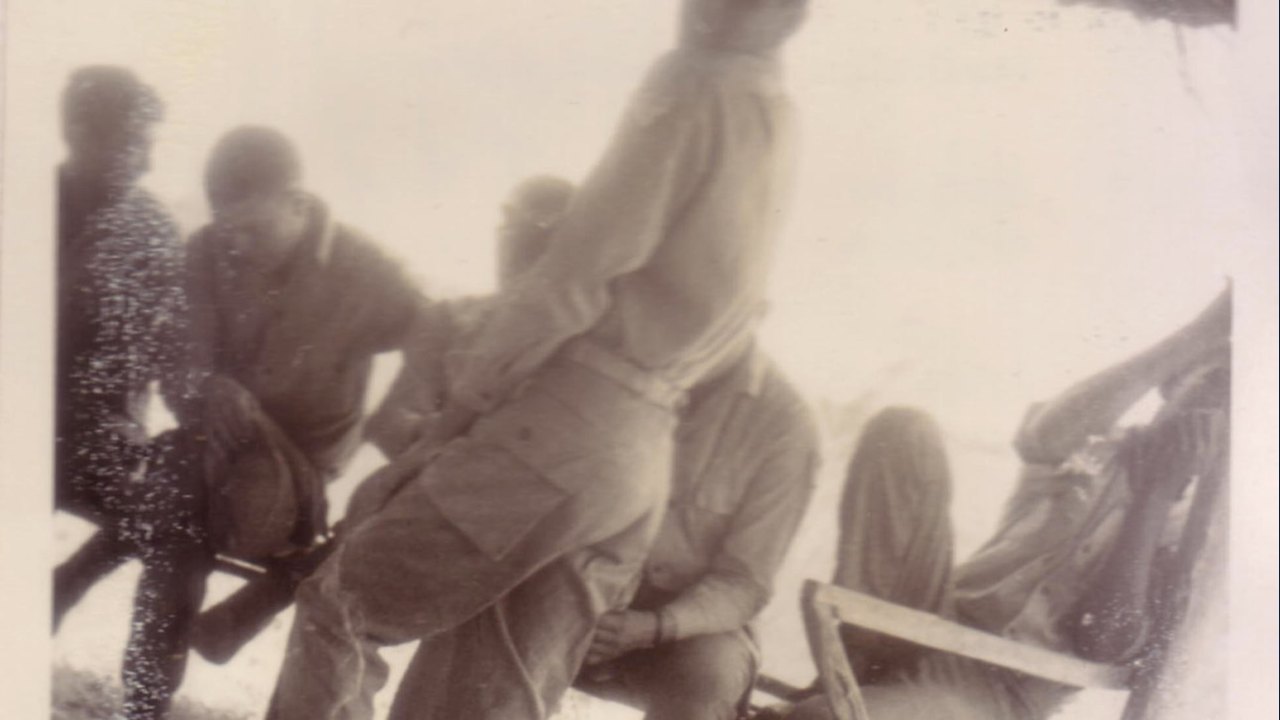
Image: Pablo de Llano Neira — https://english.elpais.com/info/terms-and-conditions/ · Photo source · License terms · Resized and letterboxed to 16:9; no AI generation
A recent legal reform in Cuba, which included the legalization of same-sex marriage, has brought renewed attention to historical discussions regarding the treatment of marginalized groups by the state. While rights advocates view current legislative updates as progress, historians and researchers emphasize the importance of examining past state-sponsored injustices, notably the forced labor camps known as the Military Units to Aid Production (UMAP) that operated during the 1960s and 1970s.
Published historical studies, such as the work by Cuban academic Abel Sierra Madero titled *El cuerpo nunca olvida* (The body never forgets), examine the establishment and operations of these camps. According to documented historical accounts, these centers functioned as sites of forced labor and political correction during a period of significant social restructuring following the 1959 revolution.
Overview of the UMAP Camps
- Timeline: The UMAP camps were instituted in 1965 and officially closed in 1968 following international criticism and external complaints.
- Demographics: Reports indicate that approximately 30,000 individuals were sent to these camps under the framework of compulsory military service. Those targeted included homosexuals, religious individuals, and others categorized by the state as "antisocial elements."
- Conditions: Historical analysis documents various forms of abuse, forced labor, and coercive practices within the camps, including specific units designated for homosexual detainees.
Historical Documentation and Memory
Scholars and historians stress that understanding this era requires careful archival research, oral histories, and critical historiography to counter official narratives that may overlook or minimize past state repression. Observers note that while international figures commented on the camps during the period of their operation—such as writer Graham Greene visiting in 1966—comprehensive public reckoning with this history remains a complex issue.
Practical Implications and Verification
- Accessing Historical Records: Interested readers and researchers can consult academic texts, library archives, and peer-reviewed historical analyses regarding 20th-century Cuban social history.
- Verifying Claims: Official government announcements, legislative texts, and documented historical studies should be cross-referenced through recognized academic institutions and international human rights documentation.
AI-assisted reporting; source claims are attributed and have not been independently verified.
More to read
 Australia Adjusts Working Holiday Visa Policy Amid Regional Labor Concerns
 GTA 6 Launch Triggers Busiest Traffic Day in Comcast History
 Examining NFL Offseason Additions: Hits and Misses Across the League
 Examining Nudity and Character Customization Details in GTA 6