National Advisory Council on Poverty Releases 2026 Report Highlighting Slow Progress and Systemic Barriers
· GlobeWire Daily Editorial Desk · Source: www.canada.ca
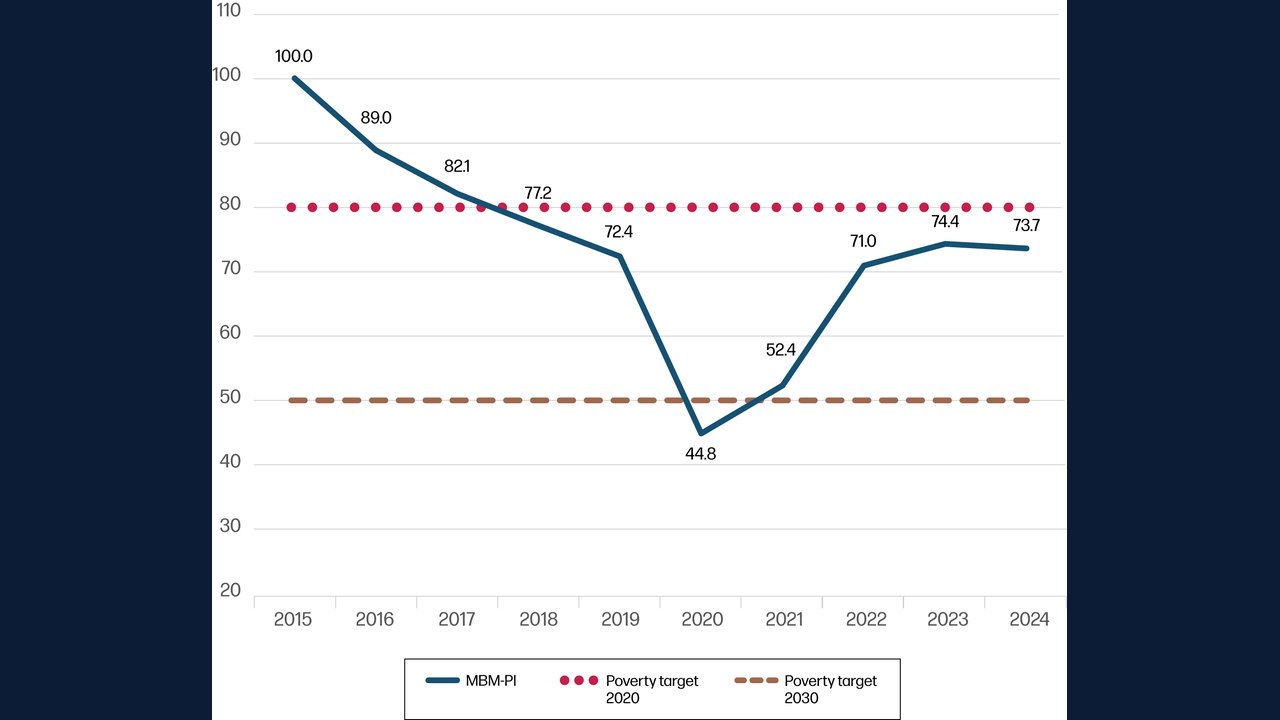
Image: Employment and Social Development Canada · Photo source · Resized and letterboxed to 16:9; no AI generation
The National Advisory Council on Poverty has released its 2026 annual report, revealing that poverty reduction in Canada has largely plateaued and progress remains short of legislated national targets. According to the report, approximately 4.5 million people—representing 11.0% of the Canadian population—were living in poverty in 2024. While this represents a decrease compared to 2015 baseline levels, recent data indicates that the rapid gains achieved during the early pandemic years have not been sustained.
Key Findings of the 2026 Report
- Persistence of Poverty: In 2024, 11.0% of Canadians lived below the official poverty line, highlighting a persistent gap in reaching the target of a 50% reduction by 2030 relative to 2015 levels.
- Disproportionate Impacts: Certain groups experience significantly higher poverty rates and deeper systemic barriers, notably Black communities, Urban Indigenous people, and 2SLGBTQIA+ individuals.
- Affordability Crisis: Rising costs for essential needs such as housing, food, and transportation continue to outpace wage growth and social benefits, forcing many individuals into long-term survival mode.
- Systemic Inequities: Consultations revealed that existing public support systems are frequently fragmented, reactive, and difficult to navigate, occasionally causing additional administrative burdens or re-traumatization for applicants.
Council Recommendations
The advisory body has put forward several recommendations aimed at the Government of Canada to realign national efforts toward equity and structural reform:
- National Investment Priority: Integrate poverty reduction metrics and mandatory impact assessments into federal budget proposals, fiscal commitments, and departmental reporting frameworks.
- Equitable Funding Transfers: Collaborate with provincial and territorial jurisdictions to embed equity-based objectives into federal funding agreements, ensuring that transfers supplement rather than replace existing local programs.
- Distinction-Based Plans: Support the co-development of targeted poverty reduction plans tailored to the specific needs of marginalized population groups, supported by disaggregated and culturally appropriate data collection.
- Regional Income Floors: Work alongside provincial, territorial, and Indigenous governments to establish regional income floors ensuring individuals can meet their basic needs through fair wages, public supports, or a combination thereof.
Official Guidance and Verification
The National Advisory Council on Poverty operates under Employment and Social Development Canada (ESDC). Affected individuals, community organizations, and researchers seeking to review the complete 2026 report, access alternative formats (such as large print, braille, or audio), or examine detailed statistical tables can consult the official Canada.ca portal. Public inquiries regarding federal social programs can be directed to ESDC channels or by calling official government contact lines.
AI-assisted reporting; source claims are attributed and have not been independently verified.
More to read
 TRAI Releases Telecom Subscription Data for September 2026: Broadband and Mobile Base Grow
 XPENG Reports Record Monthly Deliveries for October 2026 and Progress in Autonomous Operations
 Railway Recruitment Board Releases RRB ALP Exam City Details and Admit Card Information for CEN 01/2026
 RRB Releases NTPC 10+2 Under Graduate CBT-II Result 2026
Trending on GlobeWire Daily
Selected from recent coverage and related topics; not live search rankings.