Cabo Verde Steps Up Efforts to Eliminate Cervical Cancer Through Community-Led Initiatives and International Partnerships
· GlobeWire Daily World Desk · Source: www.afro.who.int
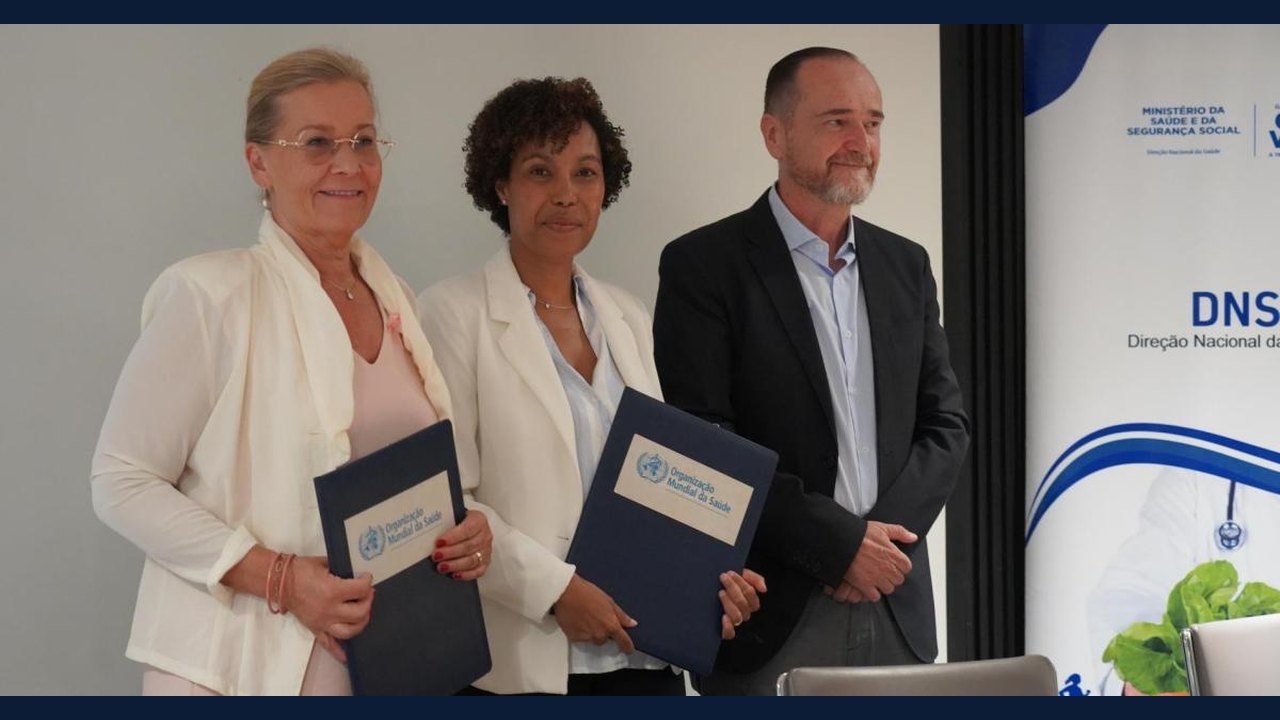
Image: WHO | Regional Office for Africa · Photo source · Resized and letterboxed to 16:9; no AI generation
Cabo Verde is advancing its public health initiatives to accelerate the elimination of cervical cancer, supported by the Ministry of Health, technical assistance from the World Health Organization (WHO), and financial backing from the Spanish Government via the Spanish Agency for International Development Cooperation (AECID). Located in Praia, Cabo Verde, the initiative addresses geographic challenges across the island nation by designing accessible, integrated services tailored to local realities.
Field Missions and Community Engagement
In October 2026, a WHO technical mission collaborated with the Ministry of Health to conduct 12 field visits, engaging approximately 60 individuals, including healthcare workers, community leaders, and non-governmental organizations. These consultations aimed to identify operational constraints and gather community input for tailored health solutions.
Boa Vista Pilot Project
The island of Boa Vista was chosen for an organized screening pilot project scheduled to begin in 2027, targeting an estimated 1,500 women. Key components of the pilot include:
- Increasing human papillomavirus (HPV) screening uptake
- Strengthening referral pathways from screening to diagnosis and treatment
- Improving data utilization for decision-making
- Enhancing communication between healthcare providers and service users
National Strategy and Leadership
A technical workshop held on 21 October 2026 in Praia brought together national and international officials to discuss priorities for the National Acceleration Plan. Dr Heidy Teixeira, representing the Minister of Health, reported that Cabo Verde has exceeded its target of 90 percent HPV vaccination coverage among girls and has expanded the vaccination strategy to include boys. WHO Representative in Cabo Verde Dr Ann Lindstrand and Fernando Regúlez of AECID praised the collaborative efforts and emphasized the importance of comprehensive capacity-building, equipment provision, and sustainable monitoring systems.
AI-assisted reporting; source claims are attributed and have not been independently verified.
More to read
 Saint Lucia Advances Agricultural Modernization Through Strategic FAO and International Partnerships
 Voter Awareness Initiatives Held Through Competitions in Basti
 Cabo Verde Voters Discuss Female Leadership Ahead of Presidential Election
 Jude Bellingham Extends Influence Beyond Football Through Major Fashion Partnerships