Canada Facing Carbon Tariff Threat From European Union, Internal Documents Reveal
· GlobeWire Daily World Desk · Source: www.cbc.ca
Original GlobeWire Daily editorial illustration — not an event photograph.
Internal documents obtained by CBC News indicate that Canadian iron, steel, and aluminum exporters do not qualify for exemptions from the European Union's upcoming carbon tariff, despite Canada's national carbon pricing system.
According to a Global Affairs Canada briefing memo dated Dec. 10, 2025, the EU's Carbon Border Adjustment Mechanism (CBAM) functions as a border charge. The memo explicitly states that an exemption is currently not possible for Canada because its carbon price is not linked directly to Europe's Emissions Trading System. Global Affairs estimates that approximately $2.8 billion worth of Canadian goods annually are exposed to the carbon import levy, affecting provinces and territories differently, with Newfoundland and Labrador and Quebec experiencing particularly high exposure levels.
Summit Negotiations and Diplomatic Efforts
As the Canada-EU Summit takes place in Montreal, Canadian diplomats are actively seeking agreements with Brussels to minimize upcoming compliance costs and charges that European importers will face at the border in 2027. Prime Minister Mark Carney noted that the summit marks the beginning of negotiations for a closer strategic partnership. Environment and Climate Change Minister Julie Dabrusin stated that Canada continues to advocate for the recognition of its industrial carbon pricing systems to avoid unnecessary administrative burdens for exporters.
Industry Impacts and Economic Projections
- Exposed Sectors: Iron, steel, aluminum, and cement exporters face compliance costs, including measuring embedded emissions and obtaining reviews by accredited verifiers.
- Regional Exposure: Newfoundland and Labrador averages $885 million in exposed iron and steel exports annually, while Quebec faces about $792 million in exposed aluminum, iron, and steel exports based on 2021–2024 averages.
- Long-Term Costs: Experts estimate that full implementation by 2034 could add significant costs, though some emerging producers with low-carbon energy sources anticipate minimal relative impacts.
Verification and Next Steps
Original reporting and document access were handled through CBC News via access-to-information requests. Readers can verify ongoing trade discussions through official updates from Global Affairs Canada and the European Commission regarding the implementation timelines of the Carbon Border Adjustment Mechanism.
AI-assisted reporting; source claims are attributed and have not been independently verified.
More to read
 Canada and European Union Announce New Alliance at Montreal Summit
 Canada and European Union Focus on Defence and Arctic Cooperation at Montreal Summit
 Internal Emails Reveal ATO and ASIC Feared Data Sent Offshore by VIQ Solutions in 2025
 Signs of Internal Strife in JDU as MLC Neeraj Kumar Targets Union Minister Lalan Singh
Trending on GlobeWire Daily
Selected from recent coverage and related topics; not live search rankings.
 ExxonMobil and Chevron Report Record Profits Amid Rising Global Oil Prices
 Chandan Shetty Addresses 'Maimata' Speculation Amid Nivedita Gowda's Cryptic Social Media Post
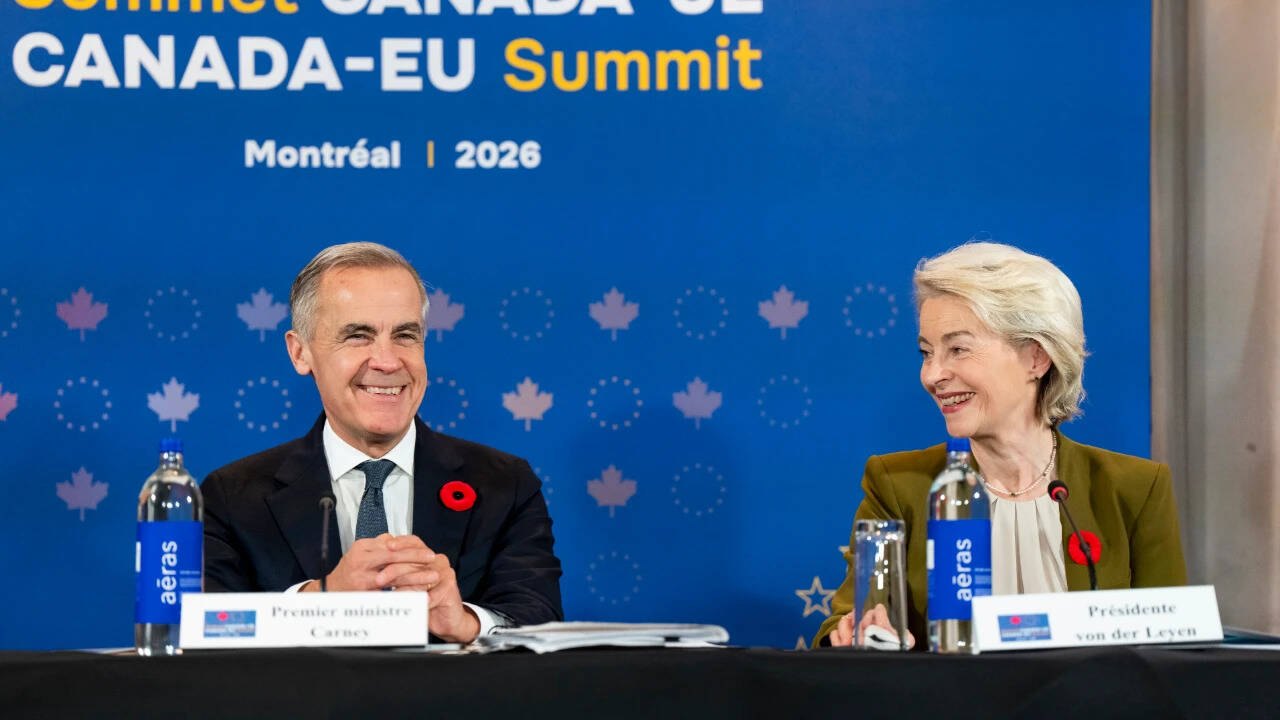 Canada Explores 'Associate Member' Status with EU Amid US Trade Pressure
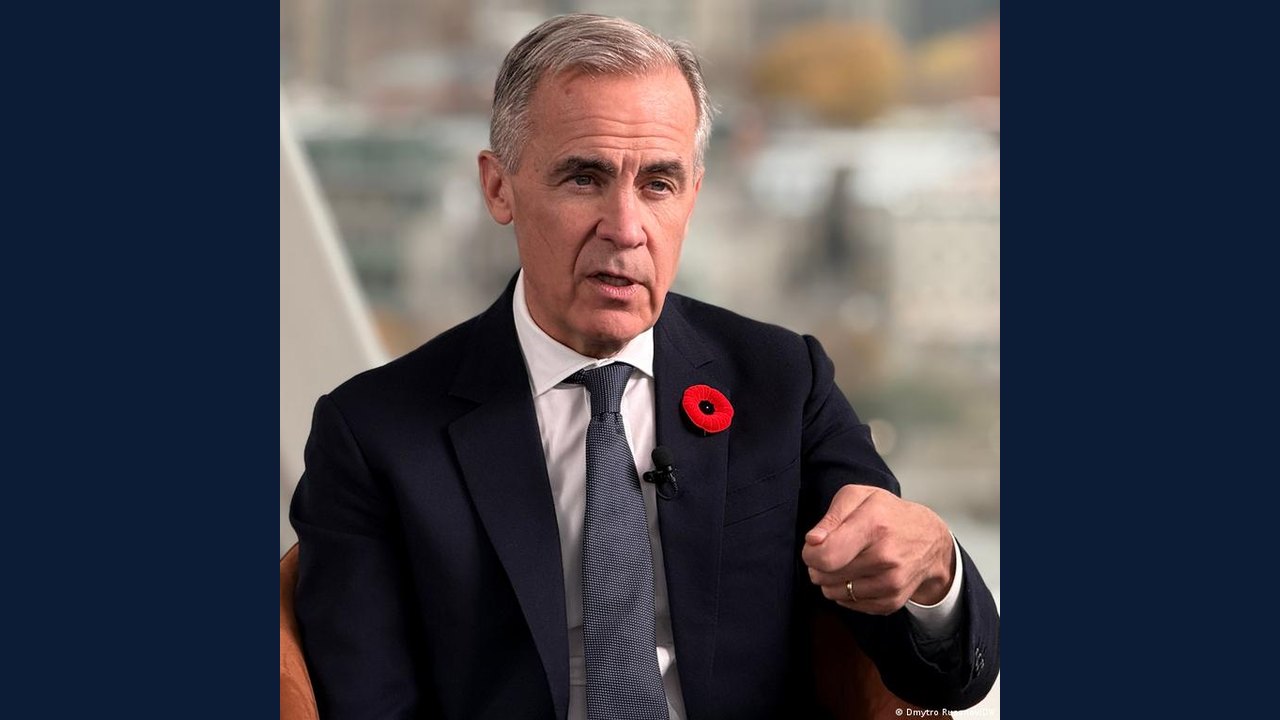 Canadian PM Mark Carney Addresses Trade Strategy and EU Ties Amid US Tensions
 Canadian Man Sentenced to Prison Following Multi-Million Dollar Cryptocurrency Scam
 Samajwadi Party Targets UP Assembly Elections Following MLC Poll Success