Coalition Talks Loom in Israel as Netanyahu and Eisenkot Blocs Fall Short of Majority
· GlobeWire Daily World Desk · Source: www.theguardian.com
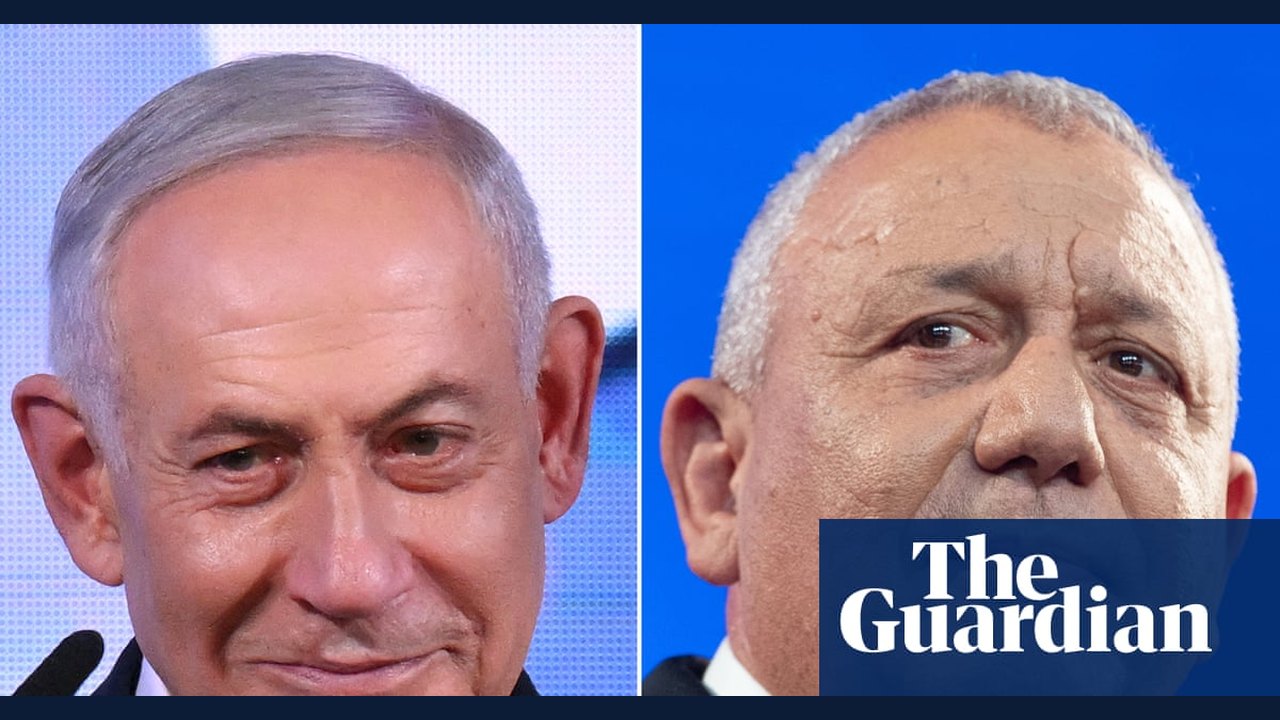
Image: the Guardian · Photo source · Resized and letterboxed to 16:9; no AI generation
Israel faces political uncertainty following Tuesday's general election, as exit polls and ongoing vote counts indicate that neither Prime Minister Benjamin Netanyahu’s coalition nor the opposition bloc led by retired general Gadi Eisenkot has secured the 61 Knesset seats required for a governing majority. Turnout reached nearly 78%, the highest since 1999, driven in part by a surge in votes for Palestinian and Arab Israeli parties, which are projected to win between 16 and 19 seats.
As election officials continue tallying the remaining 14% of votes—primarily absentee ballots from deployed soldiers—both major Jewish blocs face difficult political calculations. Eisenkot and his allies must decide whether to seek a pact with Arab Israeli parties or risk handing Netanyahu an opening for a unity government or fresh elections. Meanwhile, Netanyahu claimed without providing evidence that Arab parties had stolen the election, stating that his Likud party had submitted testimonies to the central elections committee and the Shin Bet internal security agency.
President's Role and Next Steps
- Vote Tallying: Counting absentee ballots, which traditionally lean right but currently feature diverse demographics of reservists, is expected to take several more days.
- Presidential Mandate: Once results are finalized, Israeli President Isaac Herzog will task one party leader with a six-week period to form a governing coalition.
- Caretaker Status: Netanyahu will remain in office as caretaker prime minister until a new majority is established.
President Herzog has urged all political factions to maintain an open mind to avoid an unprecedented repeat of electoral deadlocks. Concurrently, political figures from the centre-left Democrats, such as Yair Golan, have called on the opposition to engage with Palestinian parties like the Joint List and Ra'am to reshape the Knesset.
Regional Context and UN Report
The election occurred against the backdrop of ongoing conflict in the region. A report published on Monday by the Independent International Commission of Inquiry on the Occupied Palestinian Territory asserted that Israeli authorities and forces continue to commit genocidal acts in Gaza. Israel’s ambassador to the UN, Daniel Meron, rejected the findings as an attempt to undermine the nation's legitimacy. Eisenkot’s bloc largely supports the ongoing military campaign, leaving the path forward dependent on post-election negotiations and presidential intervention.
AI-assisted reporting; source claims are attributed and have not been independently verified.
More to read
 Israel Election Results: Netanyahu Bloc and Opposition Fall Short of Majority as Ballots Are Counted
 Israel Elections Send Mixed Signals as Netanyahu's Coalition Loses Majority
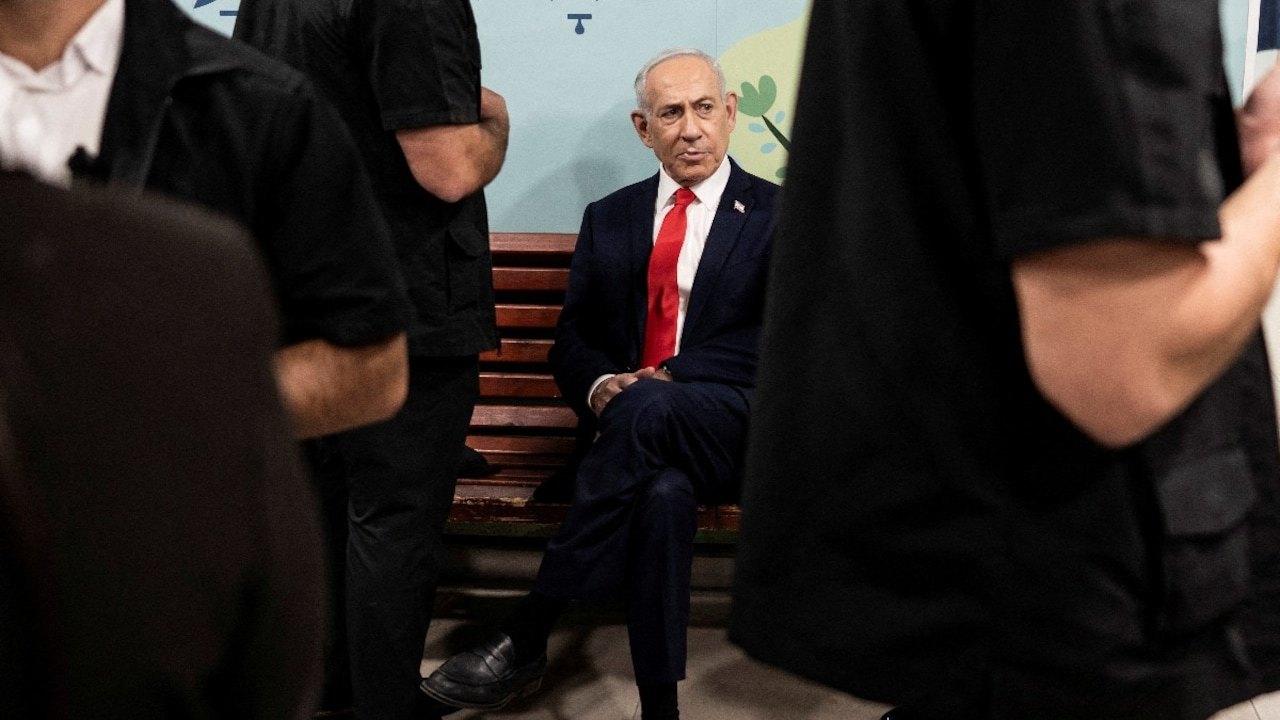 Israel Completes Vote Count in October 27 Election, Leaving Netanyahu's Bloc Short of Majority
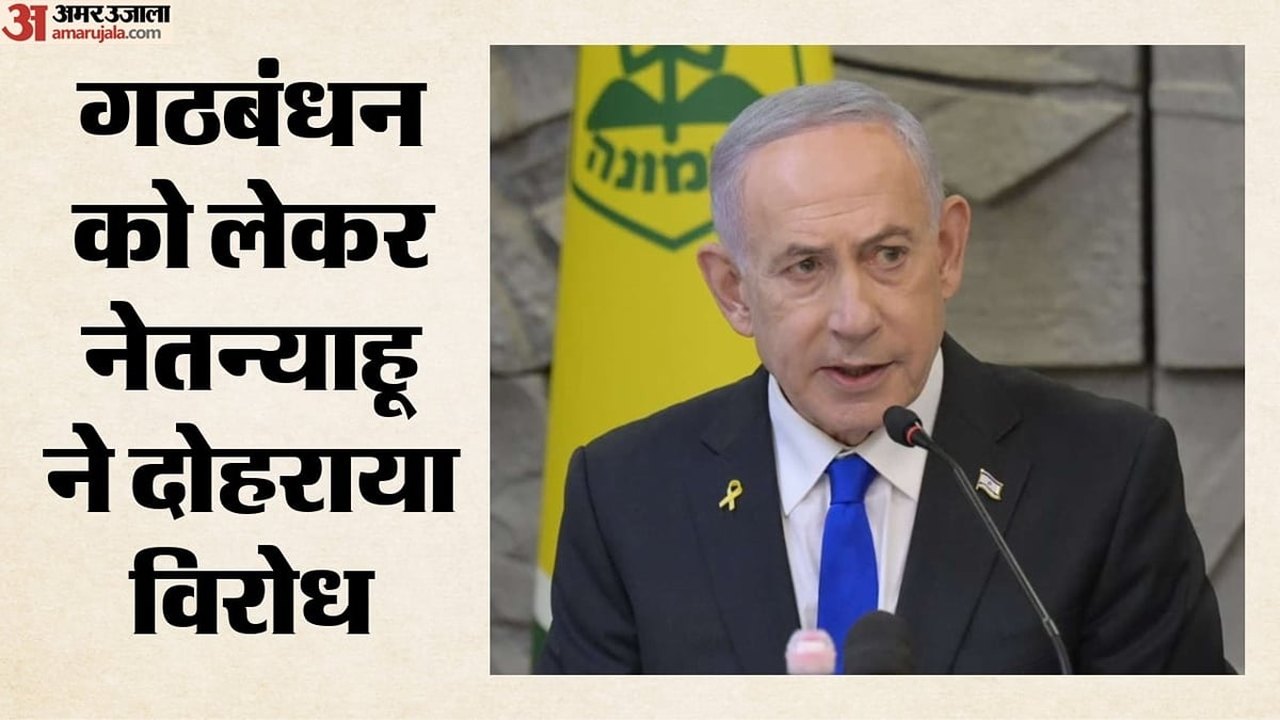 Netanyahu Rules Out Government with Arab Parties as Coalition Math Falls Short in Israel