Collaborative Effort Underway to Save Australia's Unique Great Desert Skink
· GlobeWire Daily World Desk · Source: www.abc.net.au
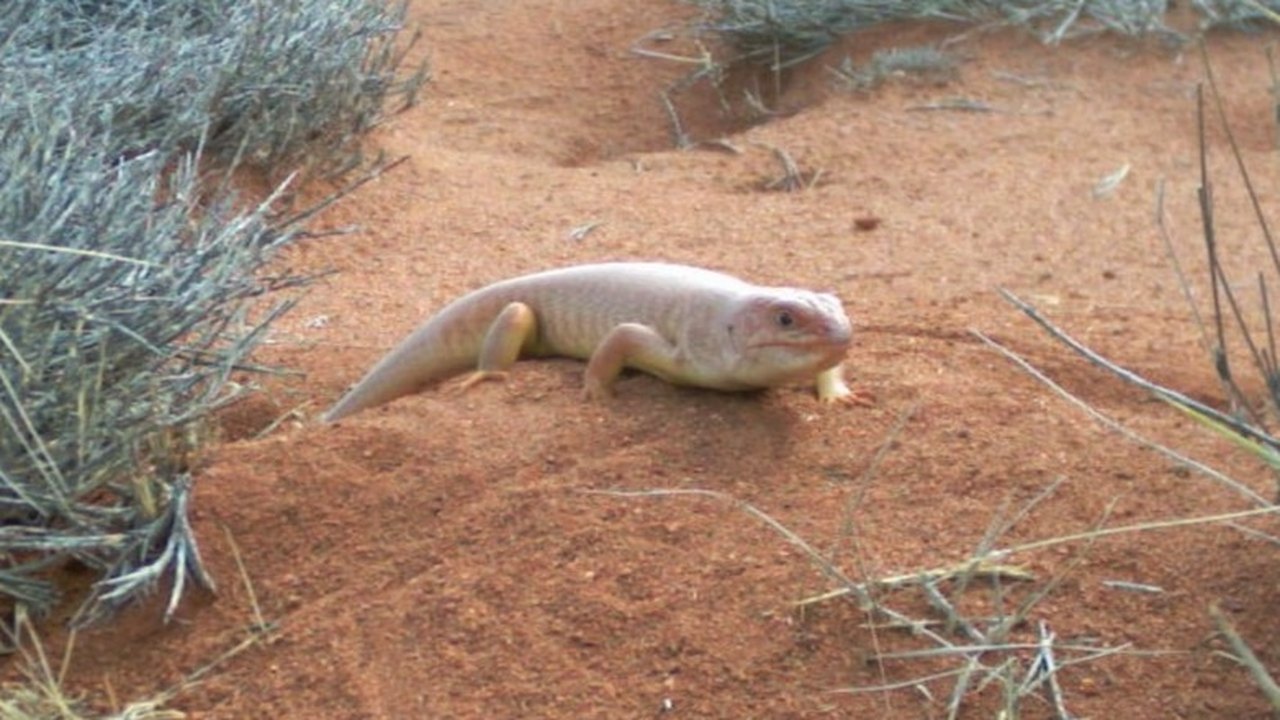
Image: www.abc.net.au · Photo source · Resized and letterboxed to 16:9; no AI generation
A Species at Risk
The Great Desert Skink, known to many Indigenous groups as the Tjakura, is facing a critical decline. Native to the Australian interior, this reptile is now considered to be at risk of extinction. Current estimates place the remaining wild population between 5,000 and 7,000 individuals, with their range restricted to roughly 20 known locations.
Unique Social Behavior
Ecologist Lara Paijmans, who is participating in the national species recovery plan, highlights the skink's unusual social structure. Unlike many other lizards, the Tjakura exhibits complex family living:
- Communal Living: Grandparents, parents, and offspring share the same burrow system for up to two years.
- Cooperative Habits: The species uses a communal latrine area, a behavior rarely observed in reptiles.
Conservation Strategy
A coalition consisting of over 20 Indigenous ranger groups across the Northern Territory, South Australia, and Western Australia has joined forces with traditional owners and scientists. Operating across a 770,000-square-kilometre range, these teams have been conducting annual surveys since 2023 to monitor the population.
Core Threats and Actions
Conservationists have identified two primary areas of focus to assist in the species' recovery:
- Predator Control: Efforts are focused on managing introduced species such as cats and foxes, which pose a significant threat, alongside native predators like snakes and goannas.
- Fire Management: Strategic burning practices are being implemented to protect the skink’s habitat.
Looking Ahead
While recent data showed a decrease in sightings during 2026, researchers noted that environmental factors, such as increased rainfall, may have complicated survey conditions. Further investigations are scheduled for 2027 to determine if active management strategies are successfully increasing population numbers. The Indigenous Desert Alliance and local groups, such as the Tjakura Rangers, continue to emphasize the lizard's profound cultural importance and its vital role in local biodiversity. To verify current findings or learn more about the national recovery plan, interested parties can contact the Indigenous Desert Alliance or local Indigenous Protected Area (IPA) offices.
AI-assisted reporting; source claims are attributed and have not been independently verified.
More to read
 U.S. Moves to Remove South Africa and Rwanda from AGOA Trade Preference Starting 2027
 Liberal backbencher Garth Hamilton urges party to keep superannuation rules unchanged
 Why the Women’s Rugby League World Cup Is a One‑Sided Contest – and What Needs to Change
 Judge Dismisses Trump’s $10 B Defamation Suit Against Wall Street Journal Over Epstein Letter
Trending on GlobeWire Daily
Selected from recent coverage and related topics; not live search rankings.
 Ducati Panigale V2: Motorcycle Specifications, Facts and Verification Guide
 Royal Enfield Bullet: Motorcycle Specifications, Facts and Verification Guide
 Roewe iMAX8: Car Specifications, Facts and Verification Guide
 Jinbei Grand Haise: Car Specifications, Facts and Verification Guide
 Xiaomi 12 Lite: Smartphone Specifications, Facts and Verification Guide
 Xiaomi 13T: Smartphone Specifications, Facts and Verification Guide