Connecticut volunteers plant eelgrass seeds using live clams to restore Long Island Sound
· GlobeWire Daily World Desk · Source: timesofindia.indiatimes.com
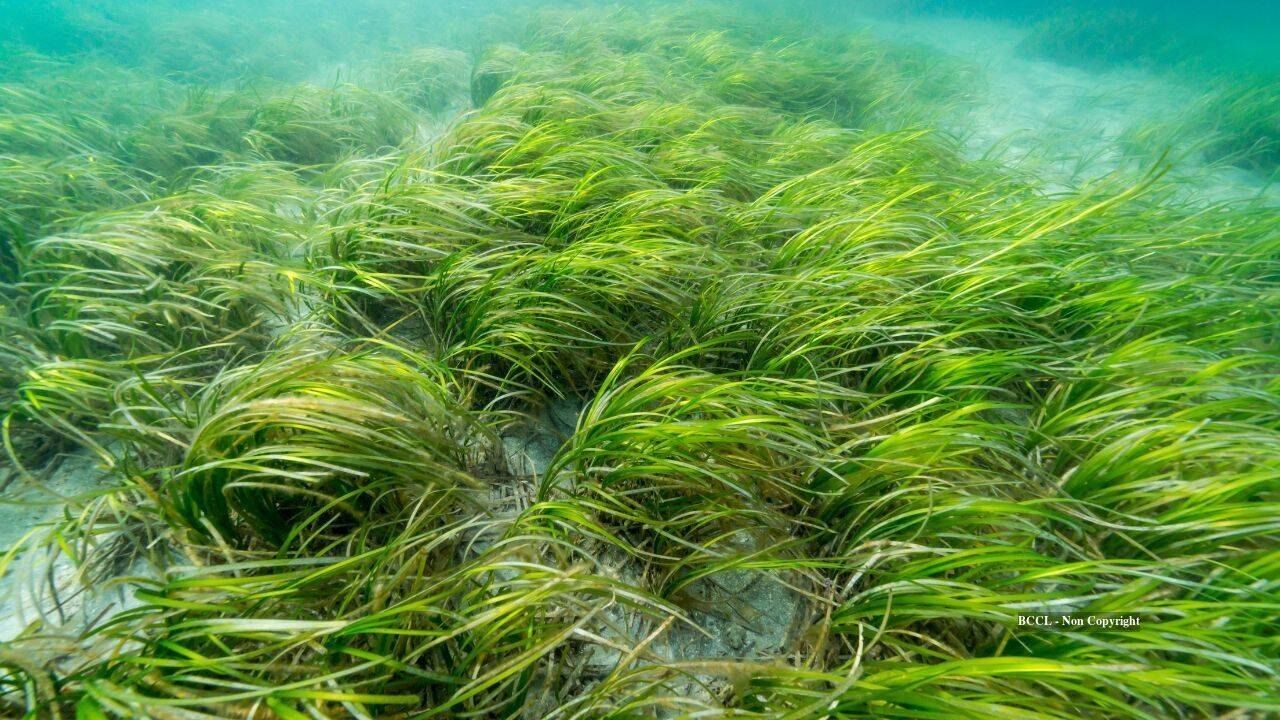
Image: The Times of India · Photo source · Resized and letterboxed to 16:9; no AI generation
Volunteers and researchers in Connecticut are utilizing live clams and rice paper to attach and plant eelgrass seeds in the shallow waters of Long Island Sound. According to reporting by outlets including Popular Science, this innovative method aims to reverse a decline in eelgrass meadows that have shrunk by more than 90 percent since the 1980s due to coastal development, warming waters, and reduced water quality.
The SEAS Method and Early Results
The conservation approach, known as Seeds of Eelgrass Attached to Shellfish (SEAS), was conceived by Robert Vasiluth of SAVE Environmental. In fall 2025, a consortium including Save the Sound, Connecticut College, and several universities planted 30,000 seed-carrying clams in experimental plots off Duck Island near Westbrook, Connecticut. Drone imagery reviewed in 2026 showed a 178 percent increase in eelgrass meadow coverage.
Bill Lucey, Save the Sound’s Long Island Soundkeeper, described the generation of plants as incredible. However, he cautioned that researchers need the plants to survive for three years before declaring full success.
Refining the Technique with Rice Paper
During the current season, the team is scaling up its efforts with a target to release 300,000 seeds on 10,000 clams. While volunteers previously used coral reef restoration glue in 2025, Connecticut College biologist Maria Rosa discovered that wet rice paper improves germination rates. The updated technique fixes 10 to 20 seeds to each clam shell using a small circle of coral glue and a wet rice-paper stamp, which dissolves underwater to release the seeds as the clams burrow.
Practical Implications and Verification
- Ecosystem Benefits: Eelgrass meadows shelter young marine species, filter water, absorb nutrients, stabilise shorelines, and release oxygen.
- Community Involvement: The project allows local residents to participate directly in preparing the seed-carrying clams.
- Future Outlook: Continued monitoring is required to confirm whether the young eelgrass forms stable, lasting meadows over the next few years.
To verify the original announcement and learn more about conservation efforts, interested individuals can consult updates from Save the Sound or review announcements related to the Connecticut National Estuarine Research Reserve.
AI-assisted reporting; source claims are attributed and have not been independently verified.
More to read
 Connecticut's $410M Plan to Transform Former Power Plant into Waterfront Park Clears Zoning
 Bugatti CEO Chases Stolen Chiron Using Live Telemetry and a Porsche 911
 CaringKind Completes Merger to Expand Long Island Dementia Care and National Reach
 Bungie Plans to Restore Vaulted Destiny 2 Campaigns by Early 2028, But Faces a Long Wait